
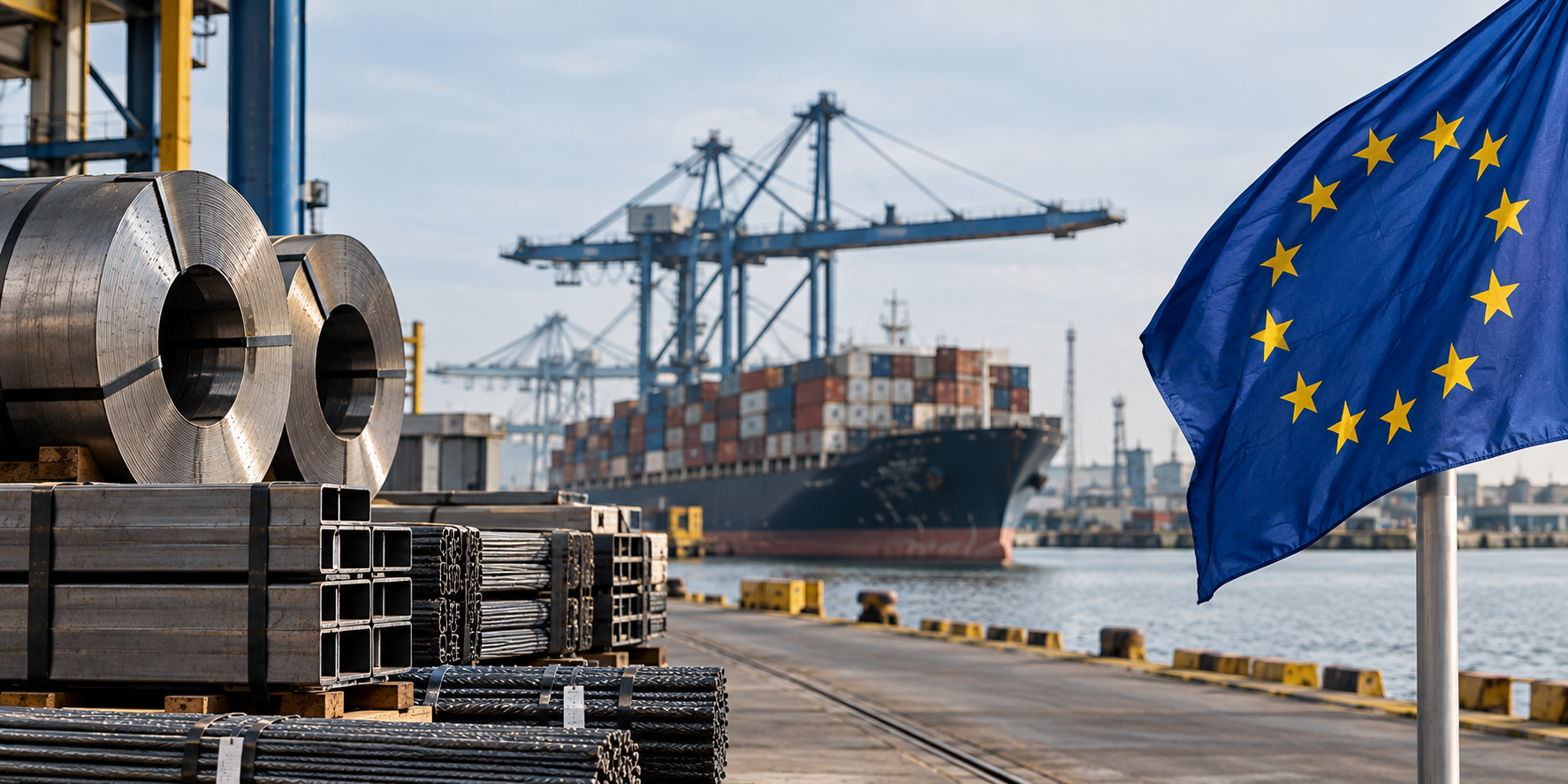
Exporting to the EU? Your CBAM Costs Are Adding Up
Understand how CBAM costs impact Indian exporters to the EU and explore strategies to mitigate them.

Understanding CBAM Costs for Indian Exporters
With the EU's Carbon Border Adjustment Mechanism (CBAM) entering its definitive phase on January 1, 2026, Indian exporters to the EU are facing new challenges. CBAM imposes carbon costs on imports based on their embedded emissions, significantly affecting the competitiveness of Indian goods in the EU market. This article explores the implications for exporters and offers strategies to mitigate these costs.
What is CBAM?
CBAM is a carbon pricing regulation targeting carbon-intensive goods imported into the EU. It aims to level the playing field between EU producers, who pay carbon costs under the EU Emissions Trading System (ETS), and foreign exporters. As of 2026, EU importers must purchase CBAM certificates to cover the embedded carbon emissions of their imports. The mechanism applies to sectors such as iron and steel, aluminium, cement, fertilizers, hydrogen, and electricity. Read more about CBAM sectors here.
Impact on Indian Exporters
For Indian exporters, particularly in the iron and steel sector, CBAM costs can range from €250 to €400 per tonne, depending on production methods and energy sources. This is due to the higher emissions associated with traditional blast furnace-basic oxygen furnace (BF-BOF) routes compared to electric arc furnace (EAF) routes, which are less carbon-intensive (social-lab.in).
Strategies to Mitigate CBAM Costs
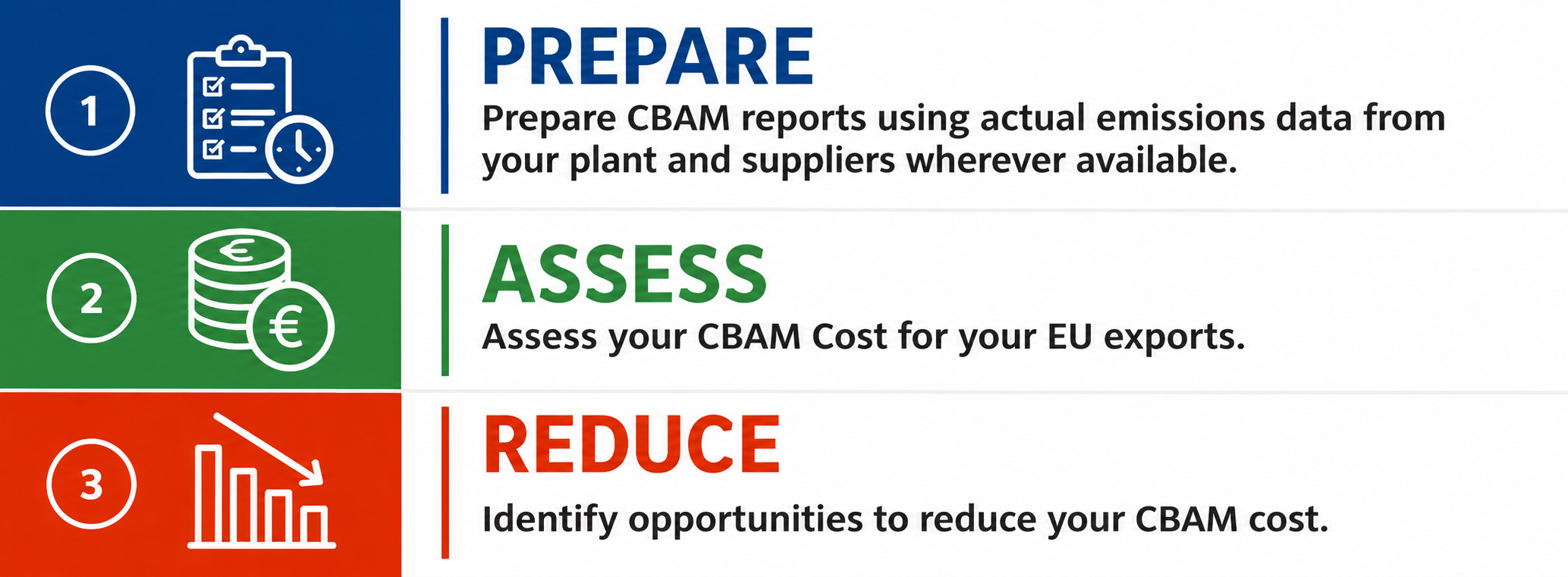
- Emission Reduction: Transitioning to cleaner production technologies can significantly reduce CBAM costs. For instance, adopting the EAF method or using renewable energy sources can lower emissions per tonne of production.
- Carbon Cost Optimization: Assessing and optimizing carbon costs through detailed emissions reporting and strategic planning can help minimize financial impacts. Social Lab offers comprehensive support in CBAM reporting and cost assessment.
- Market Diversification: Exploring new markets with less stringent carbon regulations can offset the impact of CBAM costs.
- Government Support: Engaging with government initiatives aimed at decarbonizing industries, such as India's Green Steel Initiative, can provide additional resources and incentives (ris.org.in).
Preparing for Compliance
Compliance with CBAM requires verified emissions data and strategic planning. Indian exporters should begin preparations by conducting mock audits and engaging with EU-accredited verifiers. This proactive approach will help avoid default emission values, which could be higher than actual emissions, thereby increasing costs.
Frequently asked questions
What is the CBAM cost for Indian exporters?
CBAM costs for Indian exporters can range from €250 to €400 per tonne, depending on the production process and the use of renewable energy.
How can Indian exporters reduce CBAM costs?
Exporters can reduce costs by adopting cleaner production technologies, optimizing carbon costs, diversifying markets, and participating in government decarbonization initiatives.
What sectors are affected by CBAM?
CBAM affects sectors including iron and steel, aluminium, cement, fertilizers, hydrogen, and electricity.
Key takeaways
- CBAM imposes carbon costs on imports to the EU, affecting Indian exporters' competitiveness.
- Costs for iron and steel can reach €250–€400 per tonne, depending on production methods.
- Mitigation strategies include emission reduction, cost optimization, and market diversification.
- Early preparation and compliance with CBAM requirements are crucial for maintaining EU market access.
Get a free, no‑obligation assessment from our team — we reply within one business day.