
CBAM for Iron & Steel and Aluminium Exporters to the EU
An in-depth guide to how CBAM hits Indian iron, steel and aluminium exporters: covered CN codes, direct vs indirect emissions, precursors, the transitional-to-definitive shift, and what EU buyers now demand.
Iron, steel and aluminium are among the most exposed sectors under the EU Carbon Border Adjustment Mechanism, and they are also core Indian export lines to Europe. If you produce or trade these metals, CBAM is not a distant policy debate — it is already shaping the emissions data your EU buyers ask for on every order, and from 1 January 2026 it turns that data into a real, certificate-based cost. Established by Regulation (EU) 2023/956, CBAM ran a reporting-only transitional period from October 2023 to December 2025 and moves into its definitive, paying phase in 2026.
This guide focuses on what iron, steel and aluminium exporters specifically need to understand: why these sectors are singled out, which goods are covered by CN code, how emissions are counted for metals (including the outsized role of electricity for aluminium and precursors for downstream steel), what the transitional and definitive obligations require, and the concrete priorities that keep you competitive in the EU market.
Why these sectors are singled out
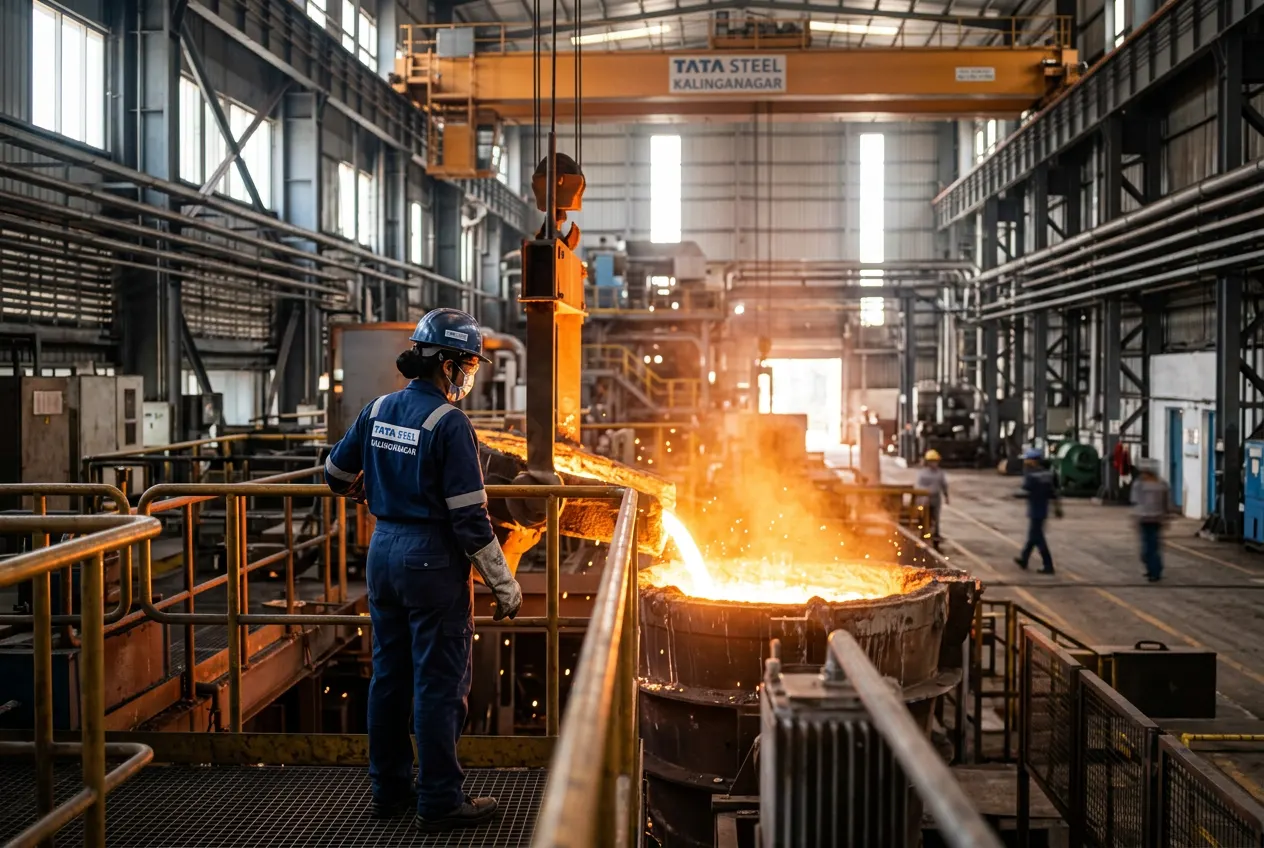
Iron, steel and aluminium are carbon-intensive to produce. Primary steelmaking via the blast-furnace route releases large volumes of process CO2, and primary aluminium smelting is extraordinarily electricity-hungry. Both were among the first sectors the EU protected against carbon leakage under its Emissions Trading System, giving free allowances to keep them competitive. CBAM extends that logic to imports so that goods made in India face a carbon cost comparable to goods made in the EU, and as CBAM phases in, the free allowances to EU producers phase out. That symmetry is why metals sit at the centre of CBAM from the very start.
Which goods are in scope
Scope is defined by Combined Nomenclature (CN) codes listed in the annex to the regulation, not by broad labels. The coverage is wide but not total:
- Iron and steel: primary and semi-finished products plus many downstream articles such as tubes, pipes, sheets and structural products.
- Aluminium: unwrought aluminium and numerous aluminium articles.
- Screws, bolts and certain highly finished items may or may not be covered — the eight-digit code decides.
Because coverage is granular, two products from the same line can differ in status: a primary metal product may be covered while a highly finished article of the same metal is not. The only reliable method is to match each product's CN code against the covered list rather than assuming your whole range is in or out. Confirm the code with your customs broker, since classification must match what is declared at EU import.
Direct, indirect and precursor emissions for metals
For CBAM, the embedded emissions of your product include more than the gases from your final process. Three components matter, and their balance differs sharply between steel and aluminium:
- Direct emissions: greenhouse gases released directly at your installation, from fuel combustion and process reactions such as the reduction of iron ore.
- Indirect emissions: emissions from the electricity your process consumes — the dominant factor for aluminium smelting.
- Precursor emissions: emissions carried in input materials, such as the crude or semi-finished steel that flows into a downstream steel article.
For aluminium, indirect emissions from electricity are the major driver, so the carbon intensity of your power supply matters enormously — a smelter on coal-heavy grid power carries a very different footprint from one on documented renewable supply. For downstream steel goods, the emissions embedded in the crude or semi-finished steel you consume as an input flow through into the final product's footprint, which makes traceability across your own supply chain essential. Emissions are calculated at installation level and then allocated across the goods produced to give specific embedded emissions per tonne.
What the transitional period required
From 1 October 2023 to 31 December 2025, the EU ran the transitional period in which importers reported but did not pay. Your EU buyers filed quarterly CBAM reports covering the embedded emissions of the steel or aluminium they imported. To complete those reports they needed production-route and emissions data from you, ideally supplied through the European Commission's standard communication template. Early quarters allowed flexibility to use default values and estimates, but the intent was always to build toward actual installation data. Getting this right during the transitional period established the data discipline you now need under the paying regime.
What changes for you from 2026
From 1 January 2026 the definitive period applies. EU importers must be authorised CBAM declarants, submit an annual CBAM declaration, and buy and surrender CBAM certificates to cover the embedded emissions of the steel and aluminium they import. Certificate prices track EU ETS carbon prices. Embedded emissions must be verified by an accredited verifier, and reliance on default values is restricted. This turns your product's carbon footprint into a real line-item cost for your buyer — which means lower-emission suppliers with well-documented data gain a genuine commercial advantage, while producers relying on conservative defaults look more expensive than they really are.
Practical priorities for metals exporters
Steel and aluminium exporters should focus on a few concrete actions:
- Map every export SKU to its CN code and confirm scope precisely with your broker.
- Measure emissions at installation level using actual data and the EU methodology, not just default values, since defaults may overstate your footprint.
- For aluminium, document the source, contracts and carbon intensity of your electricity supply.
- For downstream steel, obtain and trace the embedded emissions of the input steel you purchase.
- Keep evidence of any carbon price already paid in India, which may reduce your buyer's liability.
- Build the data into a repeatable cycle rather than scrambling before each buyer deadline.
How Social Lab helps metals exporters
Social Lab helps Indian steel and aluminium producers build defensible CBAM data. We classify each SKU by CN code to settle scope, model installation-level direct, indirect and precursor emissions with the EU methodology, and pay particular attention to the two highest-impact levers for metals: documenting clean electricity for aluminium and tracing precursor emissions for downstream steel. We prepare your data in the Commission's communication template so it feeds straight into your buyer's declaration, assemble the evidence pack an accredited verifier will require, and help you present a low, verified footprint as a selling point rather than just a compliance box. The result is a metals exporter that keeps EU buyers instead of losing them to lower-carbon rivals.
Key takeaways
- Iron, steel and aluminium are core CBAM sectors, with coverage defined by CN code — many downstream articles are included, but not all.
- Aluminium's footprint is dominated by indirect emissions from electricity; downstream steel's footprint is heavily influenced by precursor emissions.
- The transitional period was reporting only; from 2026 buyers must hold authorisation, declare annually, and buy verified-emissions-backed CBAM certificates.
- Actual installation data usually beats conservative defaults and gives lower-carbon producers a commercial edge.
- Documenting clean power, precursor data and any Indian carbon price directly protects your competitiveness.
Frequently asked questions
Are all steel and aluminium products covered by CBAM?
No. Coverage is defined by eight-digit CN code in the annex to Regulation (EU) 2023/956. Primary and many semi-finished and downstream products are covered, but some highly finished articles are not. Each product must be checked individually against the covered list.
Why does electricity matter so much for aluminium?
Primary aluminium smelting is extremely electricity-intensive, so indirect emissions from power can dominate the total embedded emissions. A smelter running on high-carbon grid electricity carries a much larger footprint than one on documented low-carbon or renewable supply, which makes power sourcing a decisive CBAM lever.
How do precursor emissions affect downstream steel goods?
The emissions embedded in the crude or semi-finished steel you buy as an input are carried into your finished article's footprint. If you cannot obtain precursor data from your supplier, default values apply, which are usually conservative. Tracing precursor emissions across your supply chain is therefore essential for an accurate, competitive figure.
Can a carbon price paid in India reduce the CBAM cost?
In principle yes. A carbon price already paid in the country of production for the same emissions can be taken into account, reducing the certificate obligation. But it must be clearly evidenced — the amount, the emissions it covers, and proof of payment — or it cannot be claimed.
Get a free, no‑obligation assessment from our team — we reply within one business day.