
CBAM — Rules & Guidelines
The EU Carbon Border Adjustment Mechanism — the regulation, the timeline and the official portals for exporters.
How to read this: each row shows the governing rule and its effective date/deadline, plus its official links — the rule document (PDF) to download and Official portal ↗ for the government / regulator site — both opening in a new tab.
Key regulations & documents
Latest on CBAM
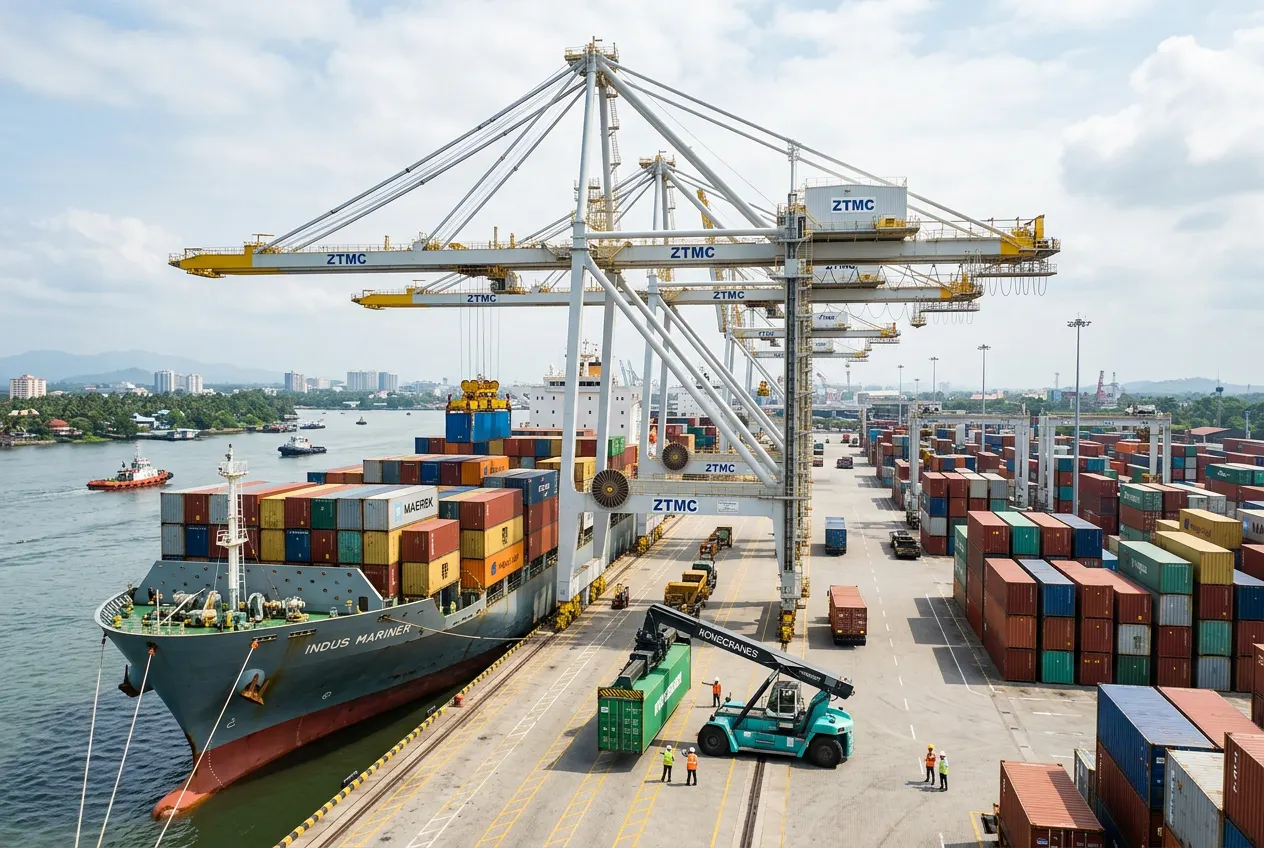 CBAMCBAM Explained for Indian Exporters: What It Is and Who It AffectsA comprehensive, plain-English guide to the EU Carbon Border Adjustment Mechanism for Indian exporters: what CBAM is, which goods it covers, how embedded emissions work, the reporting workflow, and what you must do before 2026.
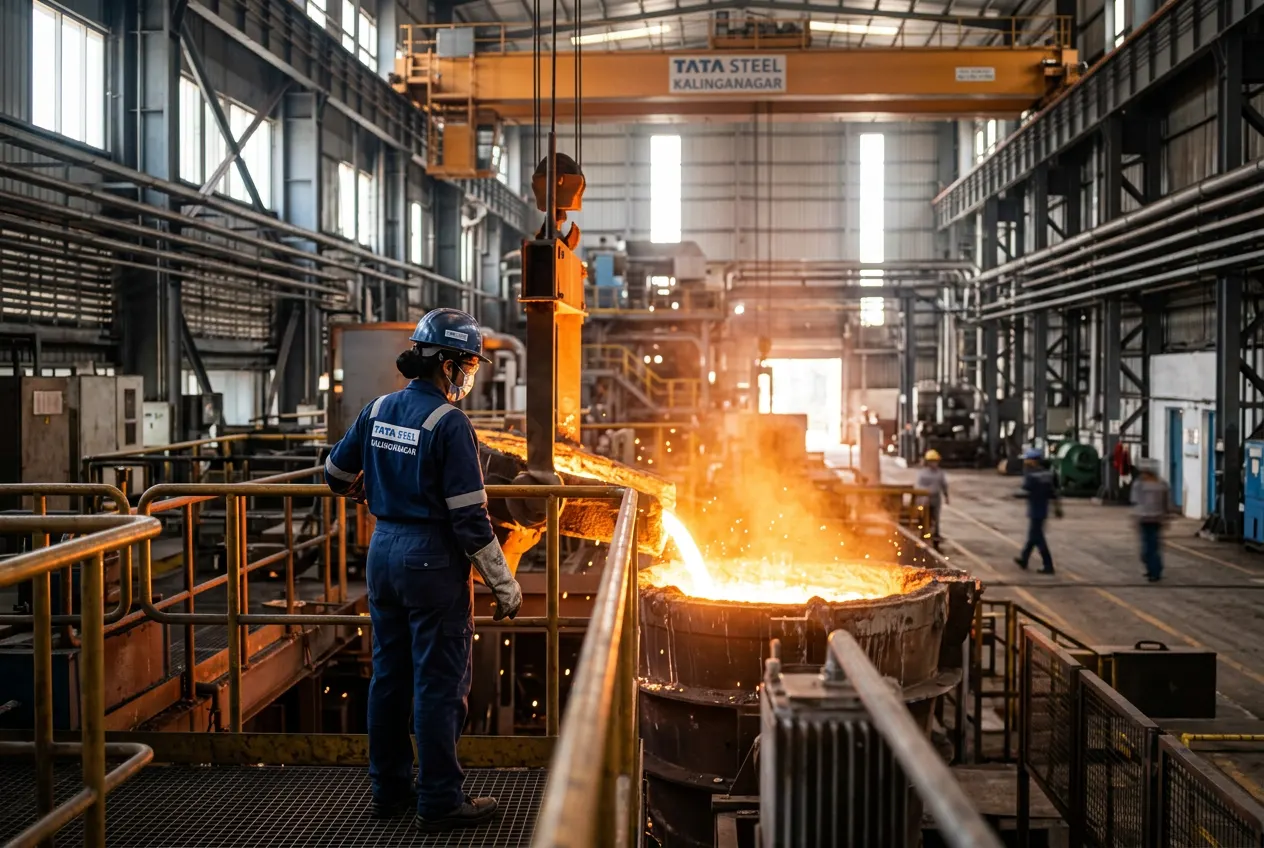 CBAMCBAM for Iron & Steel and Aluminium Exporters to the EUAn in-depth guide to how CBAM hits Indian iron, steel and aluminium exporters: covered CN codes, direct vs indirect emissions, precursors, the transitional-to-definitive shift, and what EU buyers now demand.
 CBAMHow to Calculate Embedded Emissions for a CBAM ReportA detailed, step-by-step method for calculating embedded emissions for a CBAM report: system boundaries, direct and indirect emissions, precursors, allocation, default values versus actual data, and verification.
Questions we get asked
What is CBAM?
The EU’s Carbon Border Adjustment Mechanism (CBAM) is a carbon pricing regulation applicable to carbon-intensive goods exported to the European Union. Exporters are required to report the embedded emissions of their exports, and from 2026 onwards, importers face carbon cost obligations linked to these emissions.
Which sectors are covered under CBAM?
CBAM currently applies to six sectors — Iron & Steel, Aluminium, Cement, Fertilisers, Hydrogen, and Electricity — covering more than 700 product categories. Additional sectors such as chemicals, ceramics, and textiles may be included in the future.
Is my product covered under CBAM?
CBAM applicability is determined based on the CN code of your exported product. Use our CBAM Eligibility Checker or contact us to determine whether your products fall within the scope of the regulation.
When do CBAM carbon costs start?
CBAM carbon costs apply from 2026 under the definitive phase. EU importers are required to purchase CBAM certificates to account for the embedded emissions in imported CBAM goods.
Is there a requirement for an audit under CBAM?
Yes. Emissions reported for the 2026 reporting year must be independently verified in early 2027 by an EU-accredited verifier. The verified emissions are then used by the EU importer to submit the annual CBAM declaration and determine the number of CBAM certificates to be surrendered.
Who in India needs to prepare for CBAM?
Indian manufacturers and exporters supplying CBAM-covered products to the European Union should prepare for compliance to maintain market access and meet EU regulatory requirements.
How does Social Lab help with CBAM?
We provide end-to-end support across the CBAM compliance journey, including CBAM reporting, carbon cost assessment and optimization, and CBAM audit readiness and verification support.
Need help meeting a deadline?
Tell us the rule and your role — we’ll map the fastest compliant path.
Or call +91 95942 59275 · [email protected]