Navigating the CBAM Definitive Regime: Key Updates for 2026
Explore the latest updates on the CBAM definitive regime for 2026, crucial for importers and exporters.

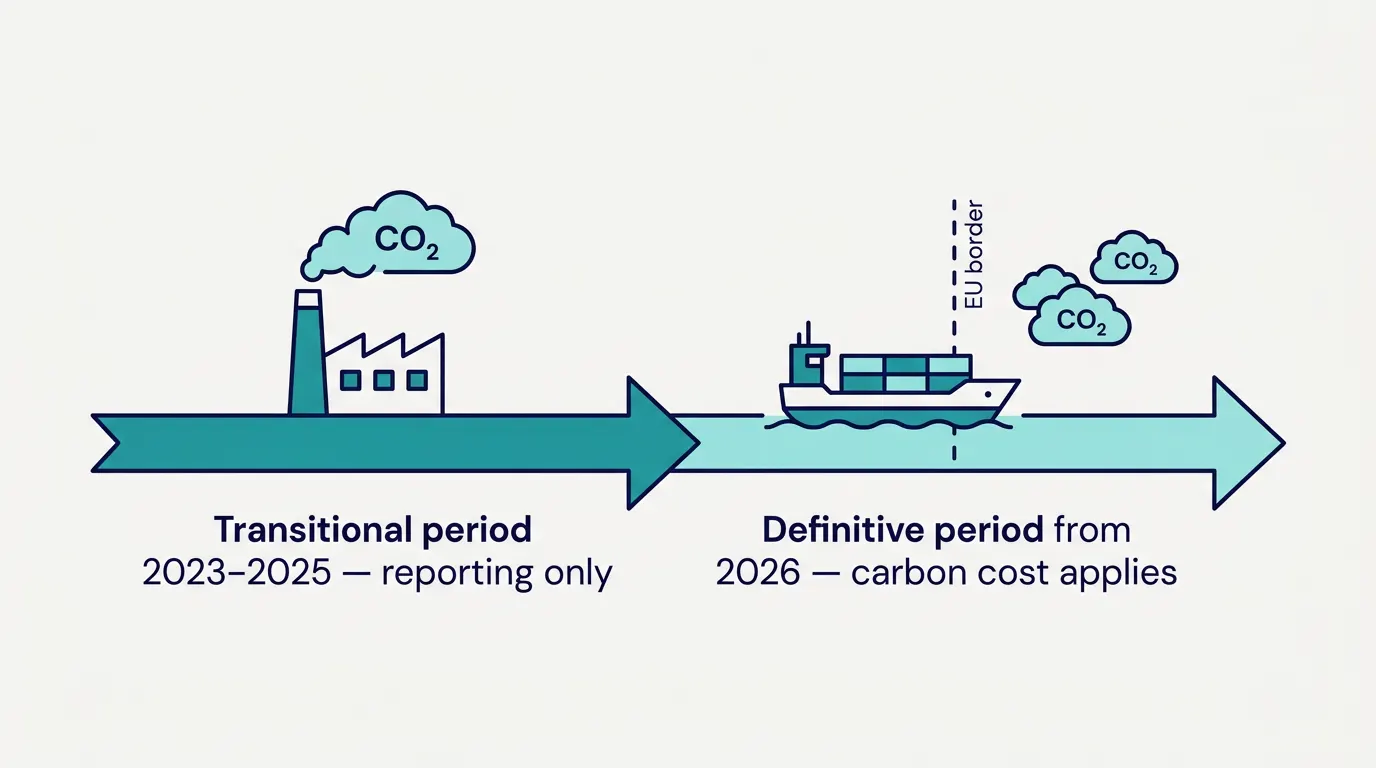
The Carbon Border Adjustment Mechanism (CBAM) is entering a definitive phase starting January 1, 2026. This marks a significant transition from the transitional phase, impacting importers of carbon-intensive goods into the EU. In this article, we will explore the key updates and compliance requirements under the new regime.
Understanding the CBAM Definitive Regime
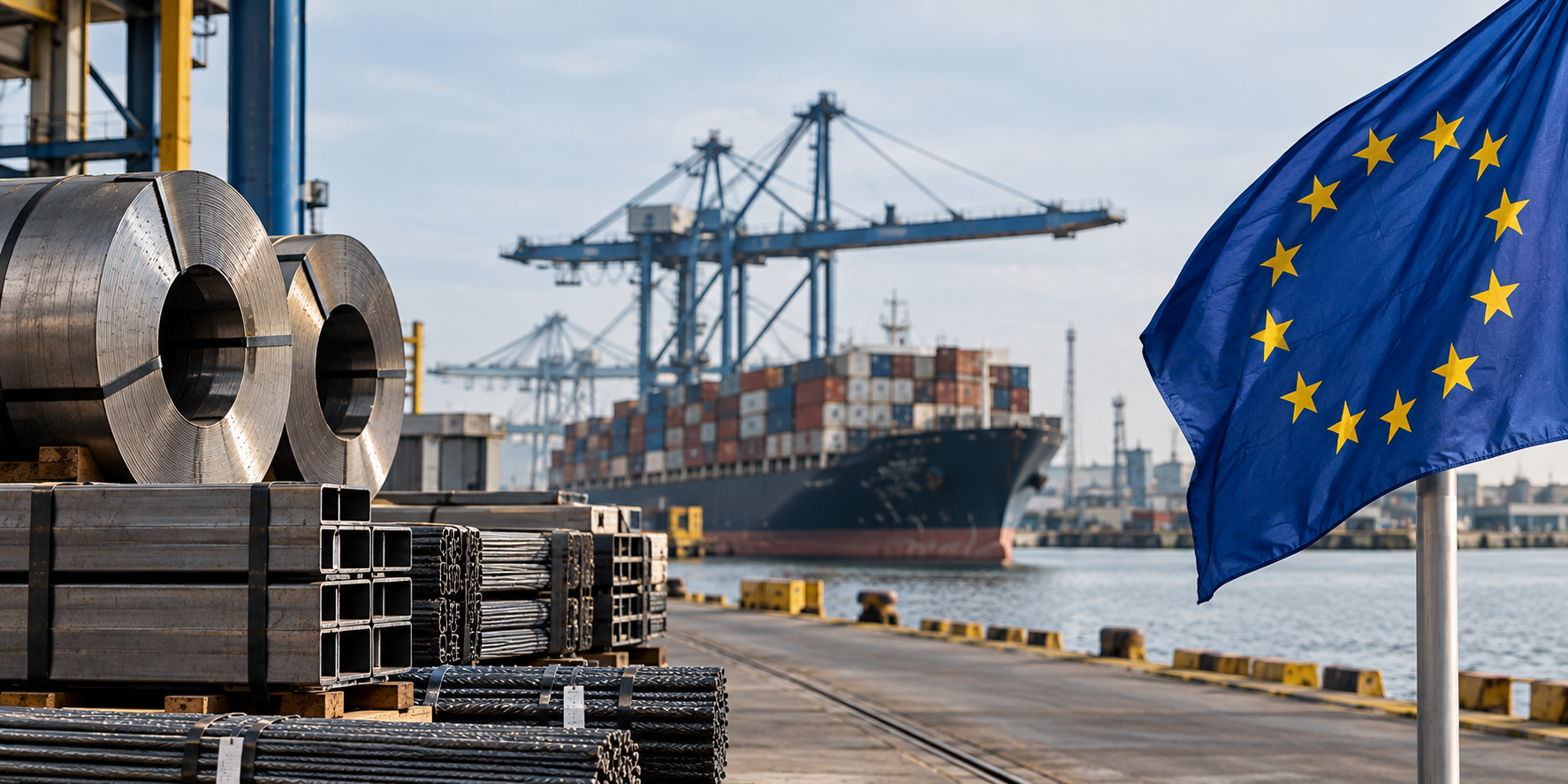
The CBAM definitive regime, as outlined by the European Commission, requires importers of selected goods to comply with new carbon cost obligations. These goods span sectors such as cement, iron and steel, aluminium, fertilisers, electricity, and hydrogen.
Key Compliance Requirements
- Authorised CBAM Declarants: Importers who bring more than 50 tonnes of CBAM goods into the EU must apply for the status of authorised CBAM declarants. This status allows them to purchase CBAM certificates from their national competent authority.
- CBAM Certificates: Importers must declare the emissions embedded in their imports and surrender the corresponding number of certificates annually. The price of these certificates is tied to the EU Emissions Trading System (ETS) allowances, calculated as a quarterly average in 2026 and a weekly average from 2027.
- Deduction for Carbon Price Paid: If a carbon price has already been paid during the production of the imported goods, importers can deduct this amount from their CBAM obligations.
Important Dates and Obligations
- January 1, 2026: The definitive phase begins, requiring compliance with the new rules.
- September 30, 2027: The first CBAM declaration for the year 2026 must be submitted by authorised CBAM declarants.
For detailed compliance assistance, Social Lab offers expert consultancy services to navigate these complex regulations effectively.
Frequently asked questions
What is the purpose of the CBAM?
The CBAM aims to prevent carbon leakage by ensuring that a carbon price is paid for emissions embedded in imported goods, aligning with the EU's climate goals.
Who needs to become an authorised CBAM declarant?
Importers who bring more than 50 tonnes of CBAM-covered goods into the EU are required to become authorised CBAM declarants.
How is the price of CBAM certificates determined?
The price is based on the auction price of EU ETS allowances, averaged quarterly in 2026 and weekly from 2027.
Key takeaways
- The CBAM definitive regime starts on January 1, 2026, with new compliance obligations.
- Importers must become authorised CBAM declarants to purchase and surrender CBAM certificates.
- The regime applies to carbon-intensive goods in sectors like cement and steel.
- Social Lab provides consultancy to help businesses comply with these regulations.
Get a free, no‑obligation assessment from our team — we reply within one business day.