Building India's Circular Economy: Why Capacity Building is Key for 2026
India's ambitious circular economy targets for 2026 demand significant capacity building across sectors. Learn how to prepare for upcoming regulations and opportunities.

Building India's Circular Economy: Why Capacity Building is Key for 2026
India is rapidly accelerating its transition towards a circular economy, driven by ambitious environmental targets and evolving regulations. For businesses, municipalities, and stakeholders across the value chain, understanding and preparing for this shift is paramount. The year 2026 stands out as a pivotal deadline, with several critical policies and frameworks coming into full effect. This article explores why capacity building 2026 is not just a buzzword, but a strategic imperative for navigating India's circular future.
The Urgency of 2026: A Regulatory Landscape Shift
Several key regulations are set to mature or take full effect by 2026, demanding significant operational and strategic adjustments. These include:
- Extended Producer Responsibility (EPR) for New Streams: While plastic, e-waste, battery, and tyre EPR are already in force, new streams like End-of-Life Vehicles (ELV) and Used Oil will see their rules fully implemented by April 2025 and April 2024 respectively. Crucially, Non-Ferrous Metals and Construction & Demolition (C&D) Waste are slated for implementation from April 2026. This means a broader range of industries will face EPR obligations, requiring sophisticated systems for collection, recycling, and reporting.
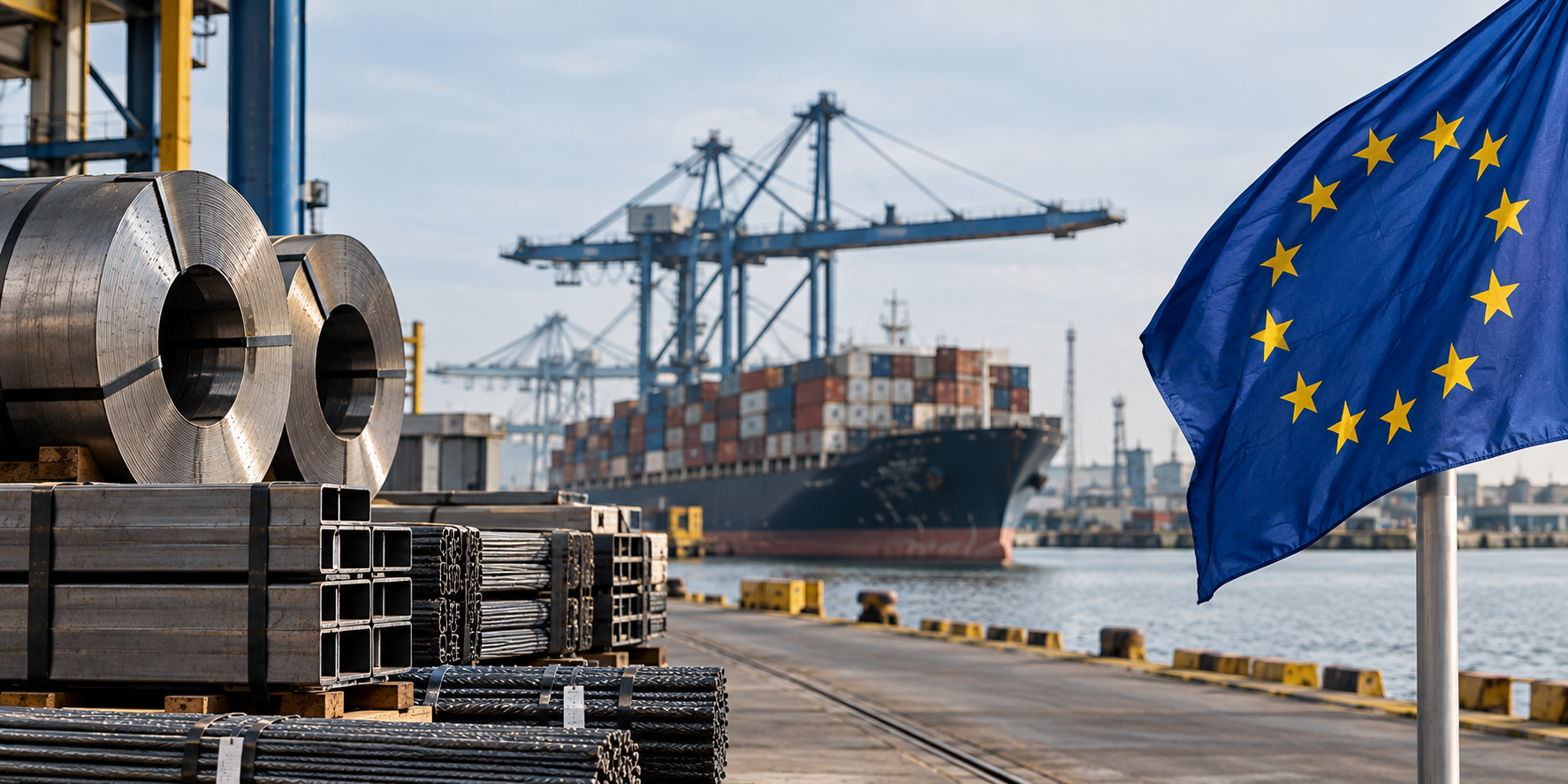
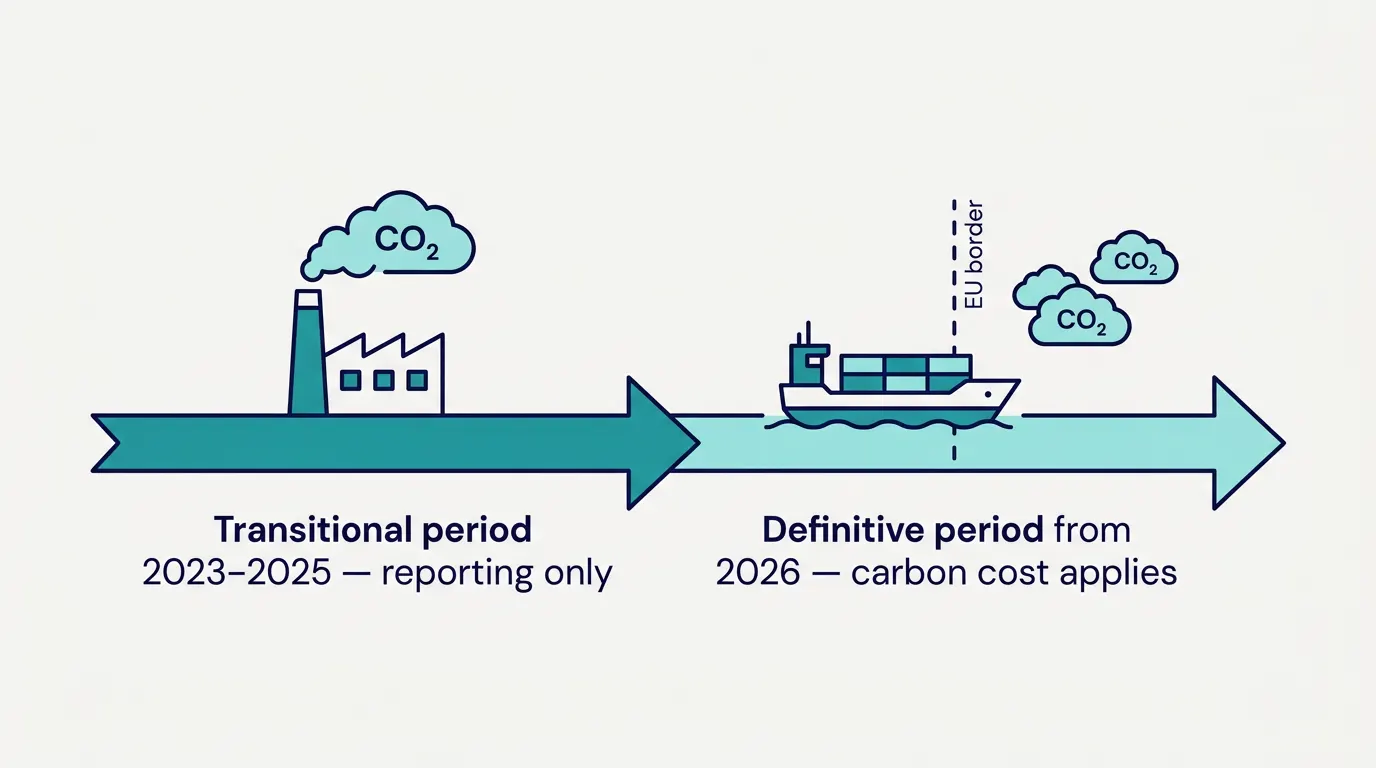
- CBAM Definitive Phase: For Indian exporters, the EU's Carbon Border Adjustment Mechanism (CBAM) enters its definitive phase from January 2026. This will introduce carbon-cost obligations on imports into the EU for sectors like iron & steel, aluminium, cement, fertilisers, hydrogen, and electricity. Businesses will need robust systems for accurate emissions reporting and verification to avoid financial penalties.
- Increased ESG and BRSR Scrutiny: The Securities and Exchange Board of India (SEBI) mandates Business Responsibility & Sustainability Reporting (BRSR) for the top 1000 listed companies. As sustainability reporting evolves, the scope and depth of disclosures are expected to increase, pushing more companies to integrate ESG principles into their core operations and supply chains.
These deadlines highlight a clear need for proactive engagement and strategic planning. Merely reacting to regulations will be insufficient; building internal and external capacities is the only sustainable path forward.
What Does Capacity Building for a Circular Economy Entail?
Capacity building in the context of India's circular economy extends beyond mere compliance. It involves developing the knowledge, skills, infrastructure, and institutional frameworks necessary to embrace circular principles effectively. Key areas include:
1. Understanding and Implementing EPR
For many businesses, EPR compliance remains a complex challenge. Capacity building here means:
- Regulatory Literacy: Deep understanding of specific EPR rules for various waste streams (e.g., /epr/plastic, /epr/e-waste, /epr/battery, [/epr/tyre)). This includes knowing who is applicable (producer, importer, brand owner, recycler – see /epr) and what their specific obligations are.
- Data Management & Reporting: Establishing robust systems for tracking product lifecycle, waste generation, collection, and recycling targets. This is crucial for accurate CPCB portal submissions and avoiding Environmental Compensation.
- Supply Chain Integration: Collaborating with collection agencies, recyclers, and waste processors to ensure efficient material flow and meet recovery targets.
2. Preparing for Carbon Reporting and Decarbonisation
With CBAM on the horizon and increasing pressure for carbon neutrality, businesses need to build capacity in:
- GHG Accounting: Accurately measuring Scope 1, 2, and 3 emissions. This requires technical expertise and appropriate tools.
- Decarbonisation Strategies: Developing roadmaps for reducing carbon footprint, exploring renewable energy, and improving process efficiencies.
- CBAM Reporting: For exporters, understanding the specific reporting requirements for their products' CN codes (see /cbam) and ensuring data accuracy for the transitional and definitive phases.
3. Fostering On-Ground Waste Circularity
Beyond regulatory compliance, true circularity requires practical, on-ground solutions. Capacity building in this area involves:
- Infrastructure Development: Supporting the establishment and optimisation of Material Recovery Facilities (MRFs), composting units (e.g., /city-compost), and recycling plants.
- Waste Picker Integration: Formalising and integrating informal waste workers into the circular economy value chain, ensuring fair wages and safe working conditions.
- Technological Adoption: Implementing advanced sorting, processing, and recycling technologies to enhance material recovery and quality, leading to high-value recycled products like /recycled-polymer.
4. ESG Integration and Sustainability Reporting
For listed companies and those aspiring to global markets, capacity building means:
- BRSR Compliance: Understanding the nuances of SEBI's BRSR framework and integrating sustainability metrics into core business operations (see /esg/brsr).
- Sustainability Certifications: Pursuing relevant certifications like GRS, RCS, or ISCC to validate circular claims and enhance market credibility (see /esg/certifications).
- Stakeholder Engagement: Building internal capacity to engage with investors, customers, and employees on sustainability performance.
The Role of Strategic Partnerships
No single entity can tackle the complexities of India's circular economy transition alone. Strategic partnerships are crucial. This means collaborating with:
- Consultants: Experts who can provide advisory services for EPR, CBAM, ESG reporting, and carbon footprinting. They can help assess applicability (e.g., using tools like /tools/epr-applicability), develop compliance strategies, and implement data management systems.
- Technology Providers: Companies offering innovative solutions for waste management, recycling, and sustainable production.
- Local Bodies & NGOs: For on-ground implementation of waste collection, sorting, and processing initiatives, particularly in urban and rural settings.
Social Lab, with its people-centric and data-driven approach, helps businesses and municipalities build the necessary capacities to meet these evolving demands. From navigating EPR complexities to developing robust ESG frameworks and implementing on-ground waste circularity projects, we provide tailored solutions for a sustainable future. Explore our /case-studies to see how we've helped others.
Frequently asked questions
What specific EPR streams become fully effective by 2026?
By April 2026, EPR for Non-Ferrous Metals and Construction & Demolition (C&D) Waste are scheduled to come into full effect. This expands the scope of producer responsibility significantly beyond existing streams like plastic and e-waste.
How does CBAM impact Indian exporters by 2026?
From January 2026, the EU's Carbon Border Adjustment Mechanism (CBAM) will require Indian exporters of specified carbon-intensive goods (iron & steel, aluminium, cement, fertilisers, hydrogen, electricity) to purchase CBAM certificates to cover the embedded carbon emissions of their products. This moves beyond the current reporting-only transitional phase.
Why is data management critical for circular economy compliance?
Accurate data management is crucial for demonstrating compliance with EPR targets, reporting carbon emissions for CBAM, and fulfilling ESG disclosure requirements like BRSR. Without robust data, businesses risk non-compliance, penalties, and damage to their reputation.
Key takeaways
- 2026 is a critical year: Several major circular economy regulations, including new EPR streams and the definitive phase of CBAM, will be fully effective.
- Capacity building is essential: Businesses need to invest in knowledge, skills, and infrastructure to understand and comply with these evolving frameworks.
- EPR, CBAM, and ESG are interconnected: A holistic approach to sustainability, integrating compliance, carbon accounting, and responsible reporting, is vital.
- On-ground circularity matters: Effective waste management infrastructure and stakeholder integration are fundamental to achieving India's circular economy goals.
- Strategic partnerships are key: Collaborating with experts and technology providers can significantly ease the transition and ensure robust compliance.
Get a free, no‑obligation assessment from our team — we reply within one business day.