
EPR Rules 2026: New Streams, Deadlines & What Indian Businesses Must Do Now
Two new EPR streams enter force on 1 April 2026. Here is a practical guide to what changes, who is covered, and how to prepare.

If you are a producer, importer, brand owner, or recycler operating in India, the EPR rules 2026 landscape is about to get significantly broader. Two new waste streams — Non-Ferrous Metals and Construction & Demolition (C&D) Waste — enter mandatory compliance from 1 April 2026, joining the six streams already live under CPCB's Extended Producer Responsibility framework.
This article maps out everything that changes, what stays the same, and how to get your organisation ready.
What's new: Two streams entering force on 1 April 2026
Non-Ferrous Metals
The Non-Ferrous Metals EPR Rules, notified in 2025, bring producers and importers of non-ferrous metals — such as aluminium, copper, zinc, and lead products — under an obligation to ensure end-of-life recovery and recycling. If your business manufactures or imports products containing these metals, you will need to register on the CPCB portal and meet prescribed recovery targets using EPR certificates.
Because non-ferrous metal supply chains tend to be long and multi-stage (mining → smelting → fabrication → end-user), identifying who the "producer" is may require a careful assessment of your position in the chain.
Construction & Demolition (C&D) Waste
Also notified in 2025 and effective 1 April 2026, the C&D Waste EPR framework targets entities generating construction and demolition waste — including builders, developers, and demolition contractors. The rules push responsibility upstream, requiring registration, waste-management plans, and periodic returns to CPCB.
This stream is a significant shift for the real estate and infrastructure sectors, many of whose players have never previously dealt with EPR. Given the sheer volume of C&D waste India generates, the compliance footprint is expected to be large.
Both streams follow the same CPCB portal-based registration and EPR certificate mechanism already familiar from plastic and e-waste compliance. For details as they are officially released, bookmark our EPR knowledge hub.
The full EPR landscape heading into 2026
As of early 2026, India's EPR framework spans eight notified waste streams, each administered centrally by CPCB and applied by activity — not by state. Here is the current status:
- Plastic — Plastic Waste Management Rules, 2016 — Live
- E-Waste — E-Waste Management Rules, 2022 (effective 1 Apr 2023) — Live
- Battery — Battery Waste Management Rules, 2022 — Live
- Tyre — Schedule IX, Hazardous & Other Wastes Rules 2022 — Live
- ELV (End-of-Life Vehicles) — ELV Rules, 2025 (effective 1 Apr 2025) — Live
- Used Oil — HOWM 2nd Amendment, 2023 (effective 1 Apr 2024) — Live
- Non-Ferrous Metals — 2025 Rules — Enters force 1 Apr 2026
- C&D Waste — 2025 Rules — Enters force 1 Apr 2026
If you are unsure which streams apply to your business, use our free EPR Applicability Tool to check in minutes.
What compliance looks like across all EPR streams
Regardless of stream, the compliance process broadly follows three steps:
- Registration on the CPCB EPR portal under the applicable role (producer, importer, brand owner, recycler, refurbisher, etc.).
- Meeting targets — typically recycling or recovery obligations, fulfilled by purchasing EPR certificates or credits from registered recyclers, or through in-house recycling capacity.
- Filing periodic returns — quarterly or annual declarations of production, import volumes, and EPR certificate purchases.
Failure to comply can result in Environmental Compensation (EC), a financial penalty levied by CPCB. The exact EC amounts and target percentages vary by stream; for the latest figures, visit the EPR rules page on our site.
Who needs to act — and when
The short answer: any business that manufactures, imports, or brands products falling within the eight EPR streams. CPCB applies obligations by activity, so even a company registered in one state but importing from overseas falls squarely under CPCB — not state — jurisdiction.
Key timelines to watch:
- Now (2025): Identify applicable streams and begin CPCB portal registration, especially for ELV, Non-Ferrous Metals, and C&D Waste.
- 1 April 2026: Non-Ferrous Metals and C&D Waste EPR obligations become mandatory. Non-compliance from day one can attract Environmental Compensation.
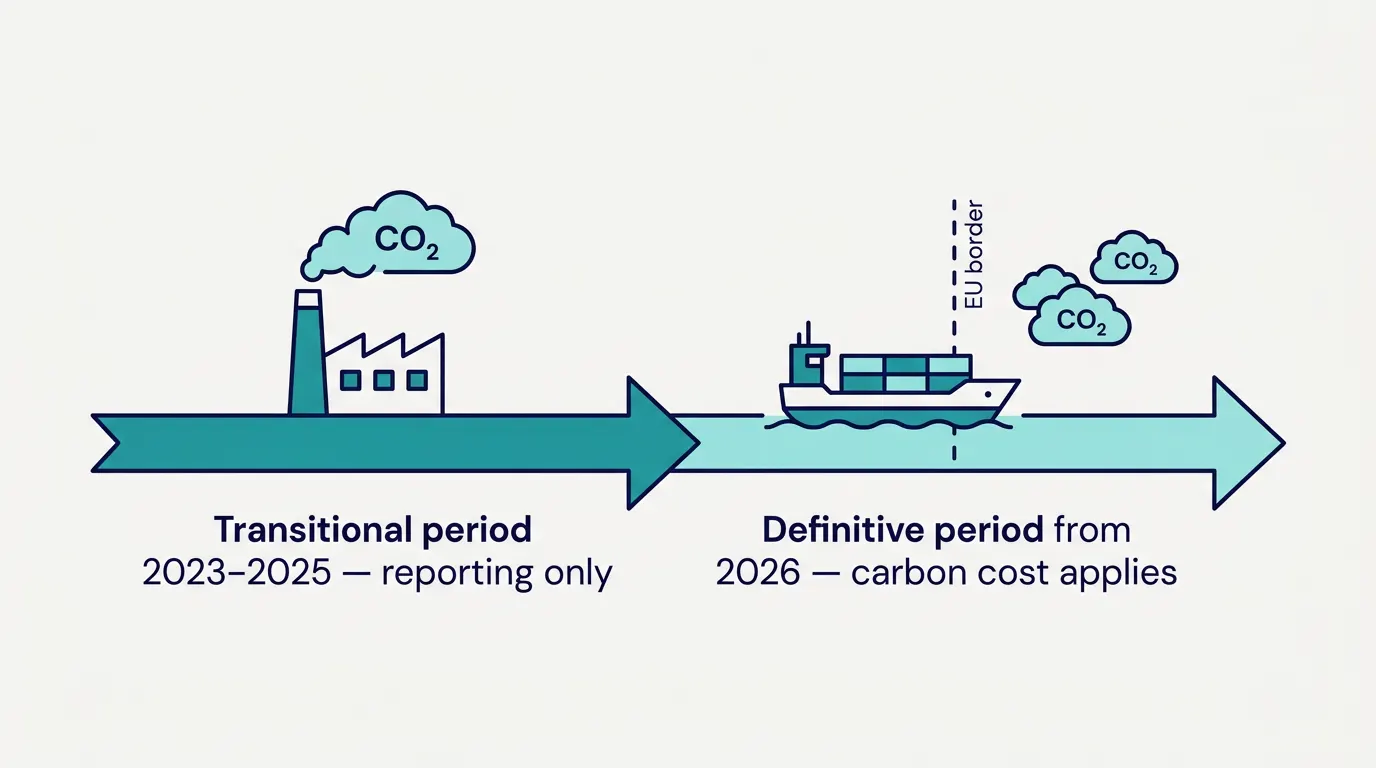
If you also export carbon-intensive goods to the EU, note that CBAM carbon border levies begin their definitive pricing phase from January 2026 — a separate but parallel compliance obligation worth tracking alongside EPR.
Practical steps to prepare for the April 2026 deadline
With roughly a year of lead time remaining, here is a readiness checklist:
- Map your products against the eight EPR streams and determine your applicable role(s).
- Register on the CPCB portal early — portal capacity can strain near deadlines.
- Secure EPR certificate supply by building relationships with registered recyclers in your waste stream.
- Set up an internal tracking system for production volumes, imports, and certificate purchases so returns filing is painless.
- Stay updated — CPCB issues clarifications and amendments periodically. Monitor the knowledge base for changes.
Frequently asked questions
When do the new EPR rules come into effect in 2026?
The Non-Ferrous Metals and C&D Waste EPR rules both enter force on 1 April 2026. Businesses in these sectors should complete CPCB portal registration well before that date.
Who administers EPR in India?
EPR is administered centrally by the Central Pollution Control Board (CPCB). Obligations apply based on your activity — producer, importer, brand owner, recycler — not by the state in which you are registered.
What happens if I don't comply with EPR rules?
Non-compliance attracts Environmental Compensation (EC), a penalty imposed by CPCB. The amount depends on the stream and the nature of the violation. Persistent non-compliance can also lead to further regulatory action.
Do EPR rules apply to importers as well as domestic manufacturers?
Yes. Importers are a distinct obligation category under most EPR streams. They must register separately and meet recovery targets through EPR certificates just like domestic producers.
How can I check which EPR streams apply to my business?
You can use a free applicability assessment tool to determine which streams and roles your business falls under based on your products and activities. Visit our tools section to get started.
Key takeaways
- Two new EPR streams — Non-Ferrous Metals and C&D Waste — become mandatory from 1 April 2026, expanding India's EPR framework to eight waste streams.
- All EPR obligations are administered centrally by CPCB and apply by activity, not by state.
- Compliance requires CPCB portal registration, meeting recycling or recovery targets (often via EPR certificates), and filing periodic returns.
- Non-compliance attracts Environmental Compensation (EC) penalties.
- Businesses should begin gap assessments and portal registration now to be ready before the April 2026 deadline.
Get a free, no‑obligation assessment from our team — we reply within one business day.