
Turning urban wet waste into wealth.
A city’s organic waste doesn’t have to be a disposal cost. We help Urban Local Bodies turn wet waste into Harit-certified, marketable compost — closing the urban–rural nutrient loop.
Proven with GIZ across 4 Maharashtra cities
Under a GIZ-supported programme, Social Lab demonstrated business plans for city compost across four cities chosen for geographic & socio-economic variability.
From city waste to farm-ready product
Urban organic waste → compost → rural agriculture → food. We make each link in the chain work.
Urban organic waste is stabilised and composted to a marketable grade.
Harit-certified packaging gives ULB compost real shelf appeal.
A dependable supply chain moves compost from city to farm.
Delivered to farmer groups, FPOs, Krushi Kendras and nurseries.
Five stages to lab-tested, sellable compost
Our standard operating procedure takes raw wet waste to compost that passes the Fertiliser Control Order, 2009.
- 01 Windrow / Pit Composting45–60 days
Waste stabilisation, windrow/pit formation, periodical turning with inoculum dosing, and sieving (3/5/7 mm).
- 02 Quality CheckPass / re-stabilise
Grain homogeneity, dark-brown-to-black colour, temperature ≤25°C, moisture ≤25% and pH 5.5–8.0.
- 03 StackingWithin 48 hrs
Stored in covered area away from sunlight, in air-tight drums or polythene bags; sampled within 48 hours.
- 04 Final SamplingWithin 24 hrs
Minimum 2 kg drawn by the Quarter & Coning method, packed and delivered to the lab.
- 05 Quality TestingFCO 2009
All parameters tested in-house and at a Govt-approved Fertiliser Control Laboratory.
Real demand, real income for ULBs
What keeps the model running
Action points carried forward by the ULBs themselves, so the programme sustains beyond our engagement.
City-compost projects with real demand
City compost is one loop in a bigger system
The same circular thinking runs across our municipal, CSR and producer work.
Latest thinking on this
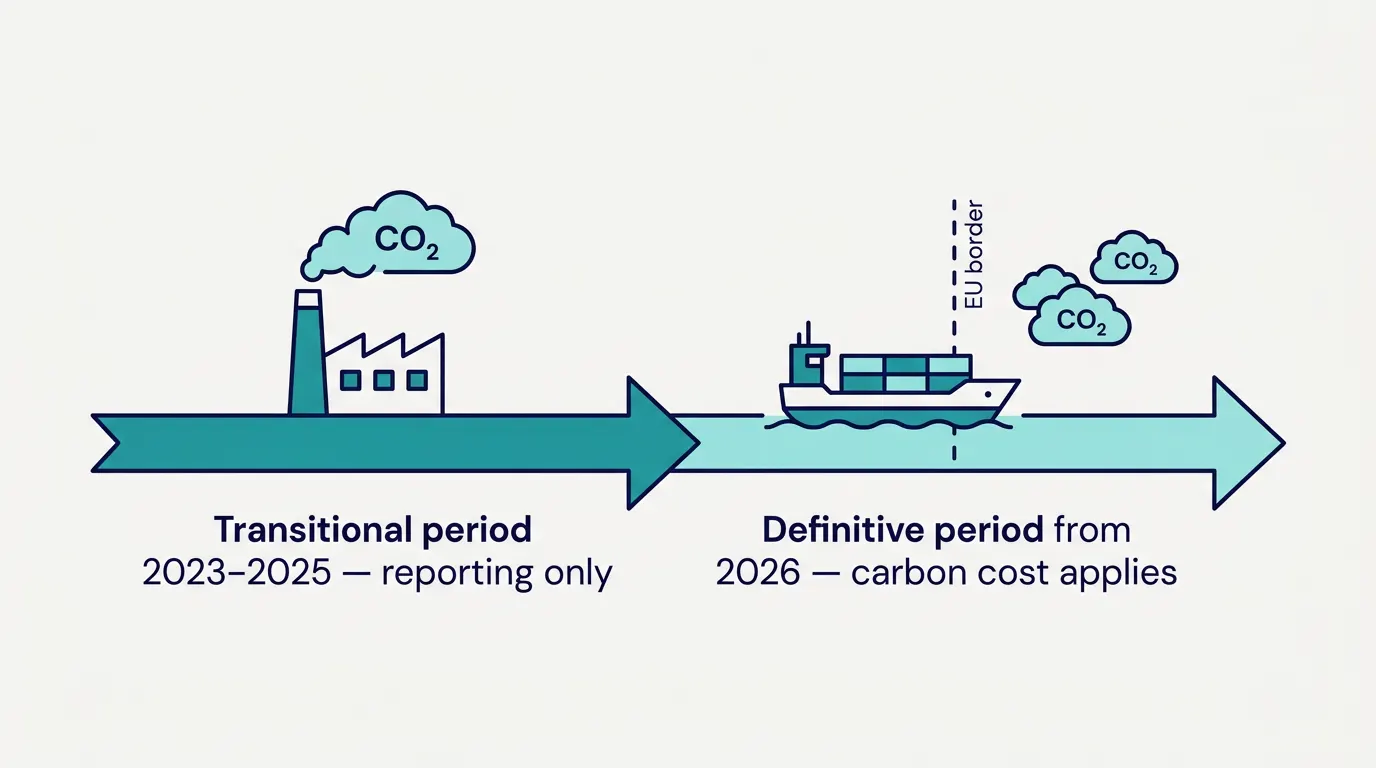 Waste CircularityIndia's Circularity Leap: Key Learnings for Waste Management in 2026As India accelerates its transition to a circular economy, businesses and municipalities must adapt. Discover critical waste circularity learnings for 2026.
 Waste CircularityMaterial Sovereignty in India: Building Resilient Circular Supply ChainsIndia can strengthen material security by connecting smarter design, EPR, urban recovery, recycling quality and demand for verified secondary materials.
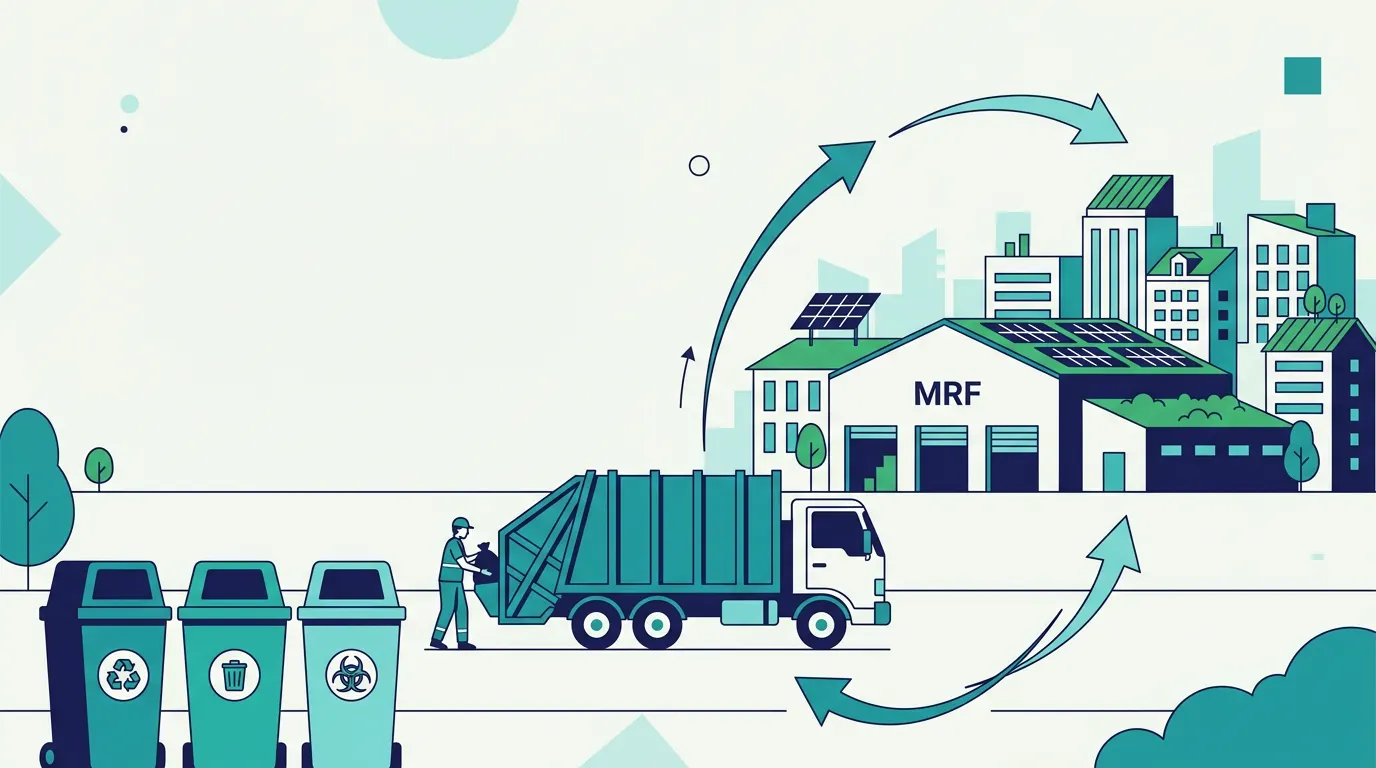 Waste CircularityBuilding a Circular City: A Solid-Waste Roadmap for ULBsA practical, phase-by-phase solid-waste roadmap for Indian ULBs to move from disposal to circularity, aligned with SWM Rules 2016 and SBM-U 2.0, covering the full value chain from segregation to scientific disposal.
Run a ULB or processing facility?
Let’s turn your wet waste into a Harit-certified compost product that sells.
Or call +91 95942 59275 · [email protected]