
Every waste generator must separate waste into wet, dry, sanitary and special care waste and hand it to authorised collectors. The fourth stream is new.
Rule 5(1)(b) Solid Waste Management Rules, 2026
India’s waste rules changed on 1 April 2026. Here is what they now ask of you.
The Solid Waste Management Rules, 2026 supersede the 2016 rules in full. They bind every urban and rural local body, and every domestic, institutional and commercial waste generator in their jurisdiction — including SEZs, railway land, airports, ports and defence establishments. This page sets out what changed, who owes what, and by when, with the rule number against each line.
S.O. 388(E)Gazette notification number
27 Jan 2026Notified by MoEFCC
1 Apr 2026In force from
SWM 2016Superseded in full
What changed
Six changes that matter to an obligated entity
Each card cites the rule it comes from, so you can check it against the gazette text.
Paint drums, pesticide cans, CFLs and tube lights, expired medicines, broken mercury thermometers, waste batteries, used needles and syringes — when generated at household level — now have their own stream.
Rule 3(1)(zx)Registration is with the local body through the central online portal, and the certificate carries conditions that must stay satisfied. Any change in the information given must be notified.
Rule 6(a)New bulk generators must process their own wet waste on site. Existing ones that cannot may seek an exemption from the local body and instead buy Extended Bulk Waste Generator Responsibility certificates covering all the wet waste they generate.
Rules 6(d)–(e), 10CPCB must set up a central online system for registration and annual returns within six months of the rules commencing, with a public dashboard of waste generated, collected, processed and landfilled down to district level.
Rule 16Levied on the polluter-pays principle for operating without registration, giving false information, concealing material facts or submitting forged documents. State boards levy it, to CPCB guidelines.
Rule 17 The threshold
Are you a bulk waste generator?
Meet any one of these three and, if your premises are on the list below, the bulk-generator duties in Rule 6 apply to you.
20,000sq m or moreBuilt-up floor area
40,000litres a dayWater consumption
100kg a daySolid waste generated
Premises covered
- Government departments and undertakings, and public sector undertakings
- Local bodies and State or Central government offices
- Schools, colleges, universities and other educational institutions
- Private companies and commercial establishments
- Railways, bus stations and depots, airports and ports
- Industrial units and industrial areas
- Malls and multiplexes, hotels, hostels
- Hospitals and nursing homes
Rule 3(1)(i). The test is the premises, not the company: one campus can qualify while another office of the same company does not.
The new mechanism
Extended Bulk Waste Generator Responsibility, step by step
The 2026 rules borrow the logic of EPR credits and apply it to the waste a large campus generates. Only the local body can issue the certificates, and only on the central portal.
- 1 You generate wet waste
A new bulk generator must process it on site. An existing one that cannot may seek an exemption from the local body.
- 2 The local body collects it
And sends it to a registered processing facility or recycler — composting, bio-methanation or another approved route.
- 3 The processor reports
Wet-waste certificates are issued only after the facility files the quantity received and processed on the portal.
- 4 Certificates are generated
One kilogram sent to a registered processor equals one kilogram of certificate. They stay valid for three years.
- 5 You buy what you owe
Enough to cover the wet waste you generate, plus sound management of your dry, sanitary and special care waste.
Rules 6(d)–(e), 8(d)–(e) and 10 of the Solid Waste Management Rules, 2026.
Who owes what
Duties by role
The rules assign duties by what you do, not what you are called. Find yourself below.
- Separate wet, dry, sanitary and special care waste at source
- Wrap sanitary waste and bin it separately
- Keep construction and demolition waste on your own premises, and dispose of it under the C&D Waste Rules, 2025
- Never throw, burn or bury waste in streets, open spaces, drains or water bodies
- Pay the user fee set in the local body’s bye-laws
- Register with the local body on the central portal
- Hand over dry, sanitary and special care waste to the local body or its authorised agency
- Process wet and horticulture waste on site — composting, bio-methanation or another approved technology
- New premises must set up processing of adequate capacity; existing ones may seek exemption and buy EBWGR certificates instead
- Meet the EBWGR obligation, calculated on CPCB norms
- Register on the central portal
- Hand collected waste to registered processing facilities
- Generate EBWGR certificates for bulk generators to buy
- Issue wet-waste certificates only after the processor reports the quantity received and processed
- Report facilities, equipment and infrastructure in annual returns by 30 June of the following financial year
- Register and operate to CPCB and ministry guidelines
- Report quantities received and processed on the portal — the certificates depend on it
- Register on the central portal
- File annual returns on the quantum of waste deposited by 30 June each year
- Register with the state pollution control board
- File annual returns on use of refuse-derived fuel, segregated combustible fraction or agri-residue by 30 June each year
The calendar
Dates in the rules
Two of these fall this year, and both sit with local bodies and CPCB rather than with you — but they decide when your own registration becomes possible.
- 27 January 2026Rules notifiedMoEFCC notification S.O. 388(E) in the Gazette of India.
- 1 April 2026Rules in forceThe Solid Waste Management Rules, 2016 stand superseded from this date.
- By 1 October 2026Central portal liveCPCB must have registration and annual-return filing running within six months of commencement (Rule 16).
- By 31 October 2026Dumpsites mappedEvery existing dumpsite and garbage vulnerable point geographically mapped and assessed, in both urban and rural areas, and published on the portal (Rule 15).
- Every quarterBioremediation progressLegacy dumpsite progress updated on the portal and the local body’s website by the 30th of the first month of the next quarter (Rule 15).
- 30 June each yearAnnual returnsLandfill operators, RDF-using industry and local bodies file for the previous financial year.
Scope
What these rules do not cover
Rule 2 excludes seven waste types, each governed by its own rules. Most companies are obligated under more than one set at the same time.
Industrial and hazardous wasteHazardous & Other Wastes Rules→E-wasteE-Waste (Management) Rules, 2022→Battery wasteBattery Waste Management Rules, 2022→Construction & demolition wasteC&D Waste Rules, 2025→Plastic packagingPlastic Waste Management Rules, 2016→Bio-medical and radioactive wasteSeparate rules→
Questions
Waste circularity rules 2026: common questions
When did the Solid Waste Management Rules, 2026 come into force?
They came into force on 1 April 2026. The notification, S.O. 388(E), was published on 27 January 2026 and supersedes the Solid Waste Management Rules, 2016.
Who counts as a bulk waste generator under the 2026 rules?
Listed institutional and commercial premises that meet any one of three tests: a floor area of 20,000 sq m or more, water consumption of 40,000 litres a day, or solid waste generation of 100 kg a day. The list covers government and public sector buildings, educational institutions, private companies, railways, bus depots, airports, ports, industrial units and areas, malls, multiplexes, hotels, hostels, hospitals and nursing homes.
What is an Extended Bulk Waste Generator Responsibility certificate?
It is proof that a quantity of waste was collected and sent to a registered processor or recycler. Only the local body can generate these certificates, on the central portal, and one kilogram of waste sent for processing equals one kilogram of certificate. A bulk waste generator that cannot process its own wet waste buys them to meet its obligation. Certificates issued in a year stay valid for three years.
Do the 2026 rules replace EPR for plastic, e-waste or batteries?
No. These rules exclude industrial waste, hazardous waste, hazardous chemicals, bio-medical waste, e-waste, battery waste and radioactive waste, each of which has its own rules. A company can be obligated under both — for example EPR for its plastic packaging and these rules for the waste its offices generate.
What happens if we do not comply?
Environmental compensation is levied on the polluter-pays principle under Rule 17, including on entities operating without the registration these rules require, giving false information, concealing material facts, or submitting forged or manipulated documents. The state pollution control board levies it, following CPCB guidelines; if the state board does not act in reasonable time, the centre can.
Is there a registration deadline for bulk waste generators?
The rules require registration with the local body through the central online portal, and require CPCB to have that portal running within six months of commencement. They do not set a separate calendar deadline for each generator, so the practical window is tied to the portal going live and to your local body’s bye-laws.
The source
Read it yourself
Everything on this page comes from the gazette notification. We mirror it so you can read it here, and we link the CPCB copy so you can verify it there. Last checked against the notification on 25 September 2026.
If you would rather not do it alone
Where Social Lab comes in
Work out what applies
We check your premises against the bulk-generator tests and map which duties land on you, at which sites.
Set up the waste system
Four-stream segregation, on-site wet-waste processing, staff and resident behaviour change, and the records the rules expect.
Keep it running
Registration, reporting and the annual returns — with the same team that runs city-wide programmes for municipalities.
Trusted by cities & partners
Municipalities & organisations we've delivered with



Keep exploring
Keep exploring waste circularity
Insights & field notes
All insights →Latest thinking on this
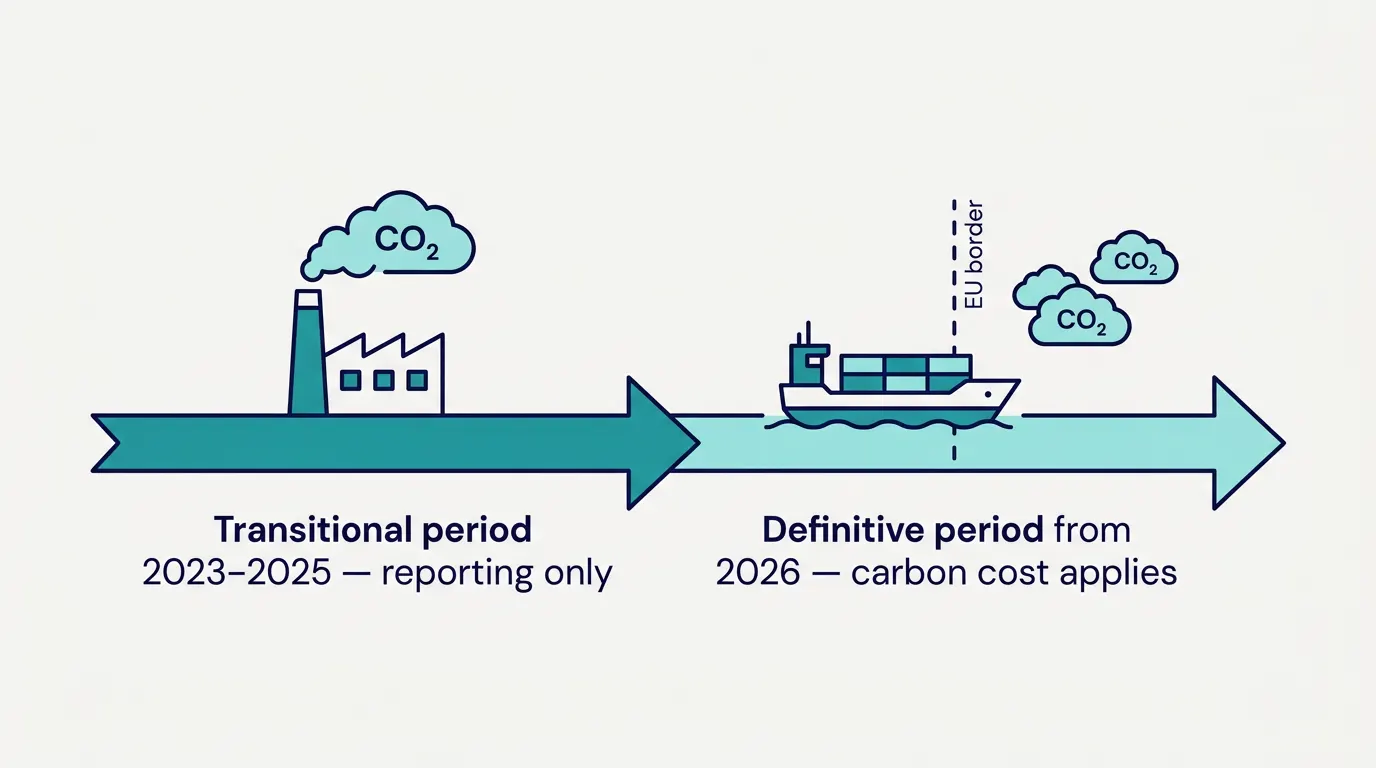 Waste CircularityIndia's Circularity Leap: Key Learnings for Waste Management in 2026As India accelerates its transition to a circular economy, businesses and municipalities must adapt. Discover critical waste circularity learnings for 2026.
 Waste CircularityMaterial Sovereignty in India: Building Resilient Circular Supply ChainsIndia can strengthen material security by connecting smarter design, EPR, urban recovery, recycling quality and demand for verified secondary materials.
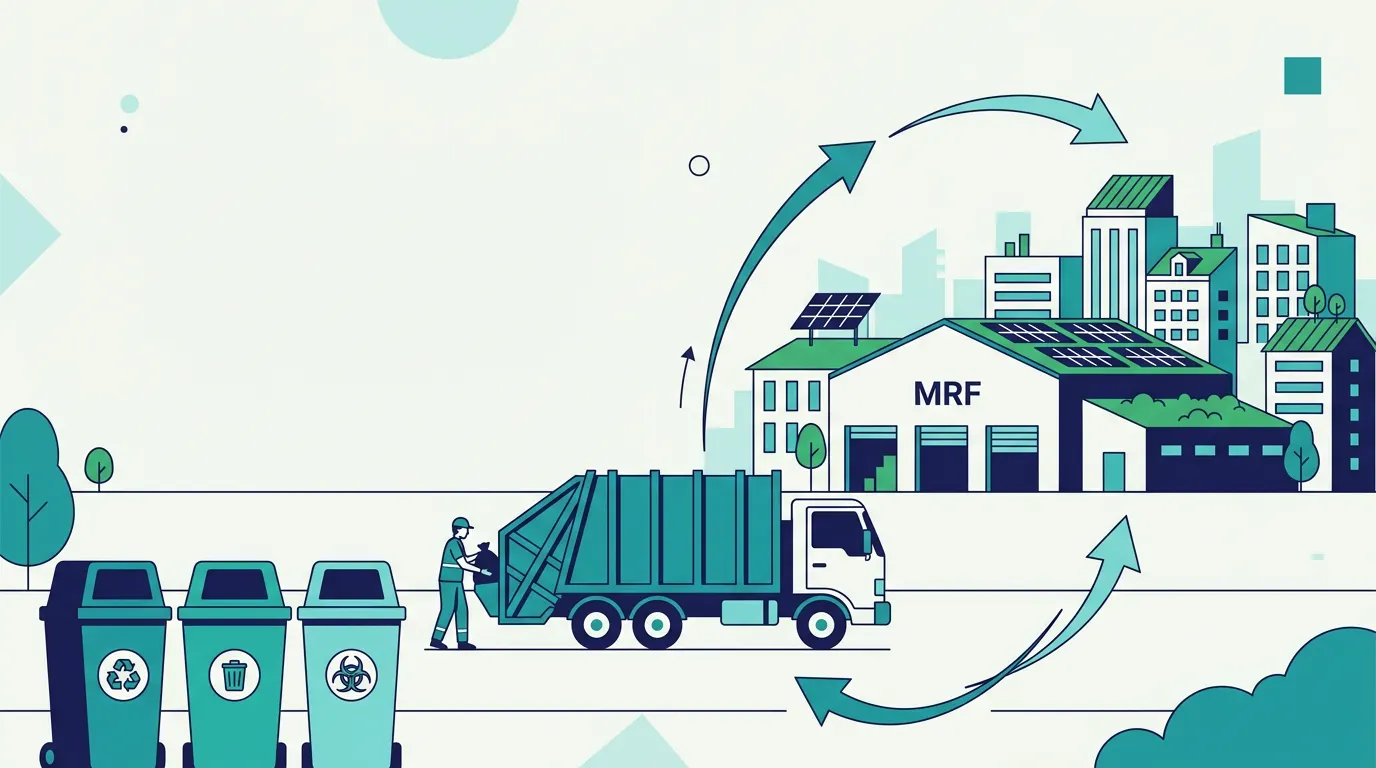 Waste CircularityBuilding a Circular City: A Solid-Waste Roadmap for ULBsA practical, phase-by-phase solid-waste roadmap for Indian ULBs to move from disposal to circularity, aligned with SWM Rules 2016 and SBM-U 2.0, covering the full value chain from segregation to scientific disposal.
 Let’s talk
Need the 2026 rules turned into a plan?
Tell us your sites and volumes — we will tell you which duties apply and what to do first.
Or call +91 95794 42142 · [email protected]