
CBAM for Hydrogen exporters
One CN line, an order-of-magnitude spread in embedded emissions — the case for documenting your production route precisely.
What drives hydrogen embedded emissions
Production route: grey (steam-methane reforming) ≈ 10–12 tCO₂/t, blue (with carbon capture) 0.5–1.0, green (renewable electrolysis) near-zero.
With such a wide route-driven spread, the report is only as credible as the process documentation behind it.
What CBAM covers in hydrogen
Coverage follows the product’s CN code, not its end use. These are the families in scope — confirm your exact code on the checker.
The CBAM timeline
Indian exporters supplying to EU markets should prepare early to remain competitive and compliant.
- Quarterly emissions reporting mandatory
- No direct carbon tax implications
- Carbon costs become applicable
- Annual CBAM verification
- Purchase of CBAM certificates by EU importers
How we build your hydrogen CBAM report
A four-step method aligned to the EU communication template — the same approach behind 30+ cbam reports delivered across iron & steel, aluminium, and manufacturing sectors.
Understanding production processes, machinery details, products, and raw materials.
Assessment of fuel, electricity, and precursor-level emissions.
Calculation of direct and indirect emissions aligned with EU methodologies.
Preparation of CBAM reports as per the standard EU communication template and reporting-portal requirements.
Your end-to-end CBAM compliance partner
Collection and calculation of CBAM emissions data, and preparation of quarterly and annual CBAM reports in line with EU requirements.
Assessment of CBAM costs based on embedded emissions and EU carbon prices, and identification of emission reduction opportunities to minimize future carbon costs.
Preparation of documentation required for CBAM verification, and coordination and support during third-party verification and annual compliance.
30+ CBAM reports delivered across iron & steel, aluminium, and manufacturing sectors.
Other CBAM sectors we cover
CBAM currently spans six carbon-intensive sectors. The EU CBAM currently covers over 700 product categories identified by 8-digit Combined Nomenclature (CN) codes. Additional sectors, including chemicals, ceramics, and textiles, are expected to be included in future phases.
Keep exploring CBAM for Hydrogen
CBAM reporting delivered across sectors






CBAM for hydrogen: FAQs
Is hydrogen covered under CBAM?
Yes. CN 2804 10 00 — hydrogen gas, compressed and uncompressed. Confirm your product’s exact CN code on the CBAM CN-code checker.
Where do hydrogen embedded emissions come from?
Production route: grey (steam-methane reforming) ≈ 10–12 tCO₂/t, blue (with carbon capture) 0.5–1.0, green (renewable electrolysis) near-zero. Embedded emissions vary by an order of magnitude — grey vs green — for the same product.
When do CBAM carbon costs start?
Quarterly reporting ran through the transitional phase (Oct 2023 – Dec 2025). From the definitive phase (Jan 2026) carbon-cost obligations, annual verification and CBAM certificates apply.
How does Social Lab help hydrogen exporters?
CBAM Reporting, Carbon Cost Assessment & Optimization, CBAM Audit Readiness (from 2027). End-to-end support for CBAM reporting, carbon cost optimization, and CBAM audit preparedness aligned with EU requirements.
Get a clear read on your CBAM requirements
Your reporting obligations, carbon-cost exposure, and the fastest path to an audit-ready CBAM report — backed by hands-on experience in CBAM compliance.
Latest thinking on this
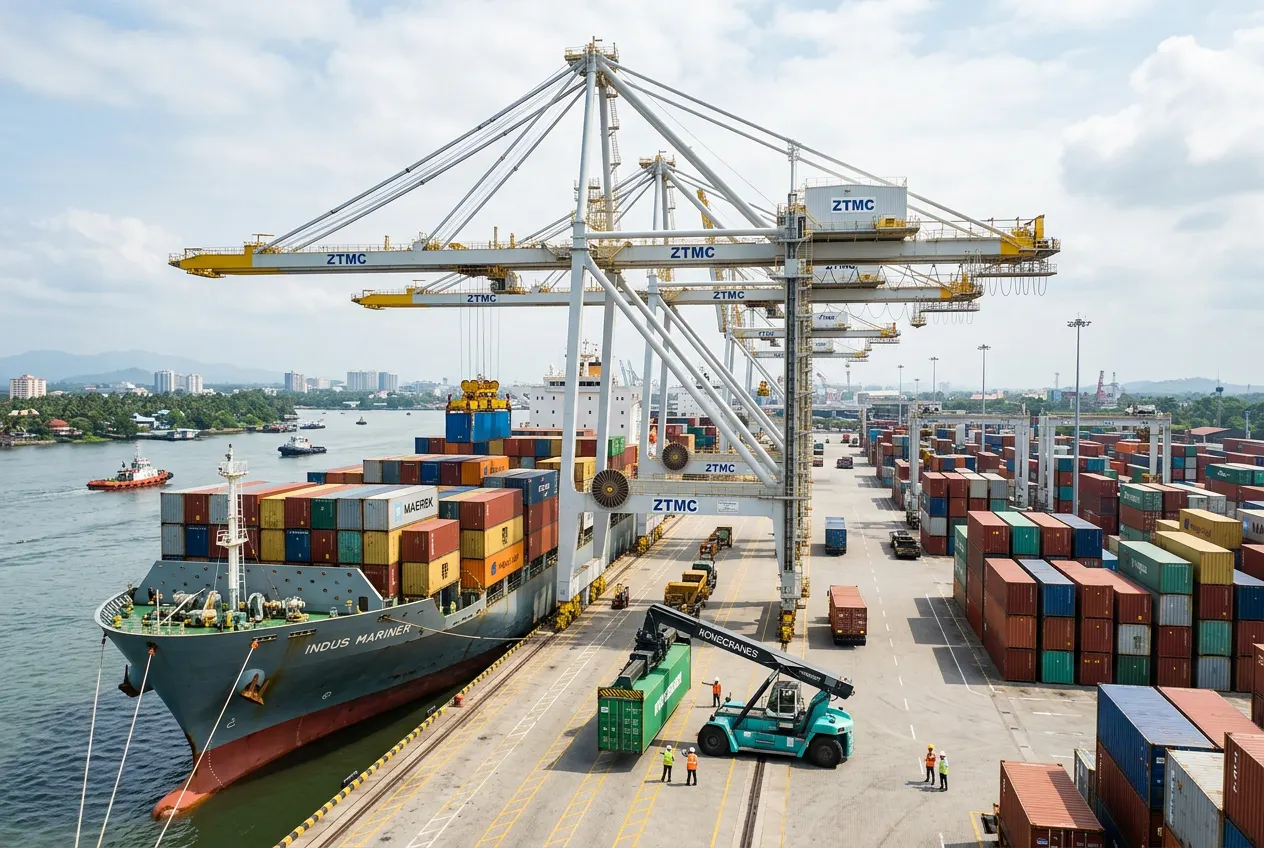 CBAMCBAM Explained for Indian Exporters: What It Is and Who It AffectsA comprehensive, plain-English guide to the EU Carbon Border Adjustment Mechanism for Indian exporters: what CBAM is, which goods it covers, how embedded emissions work, the reporting workflow, and what you must do before 2026.
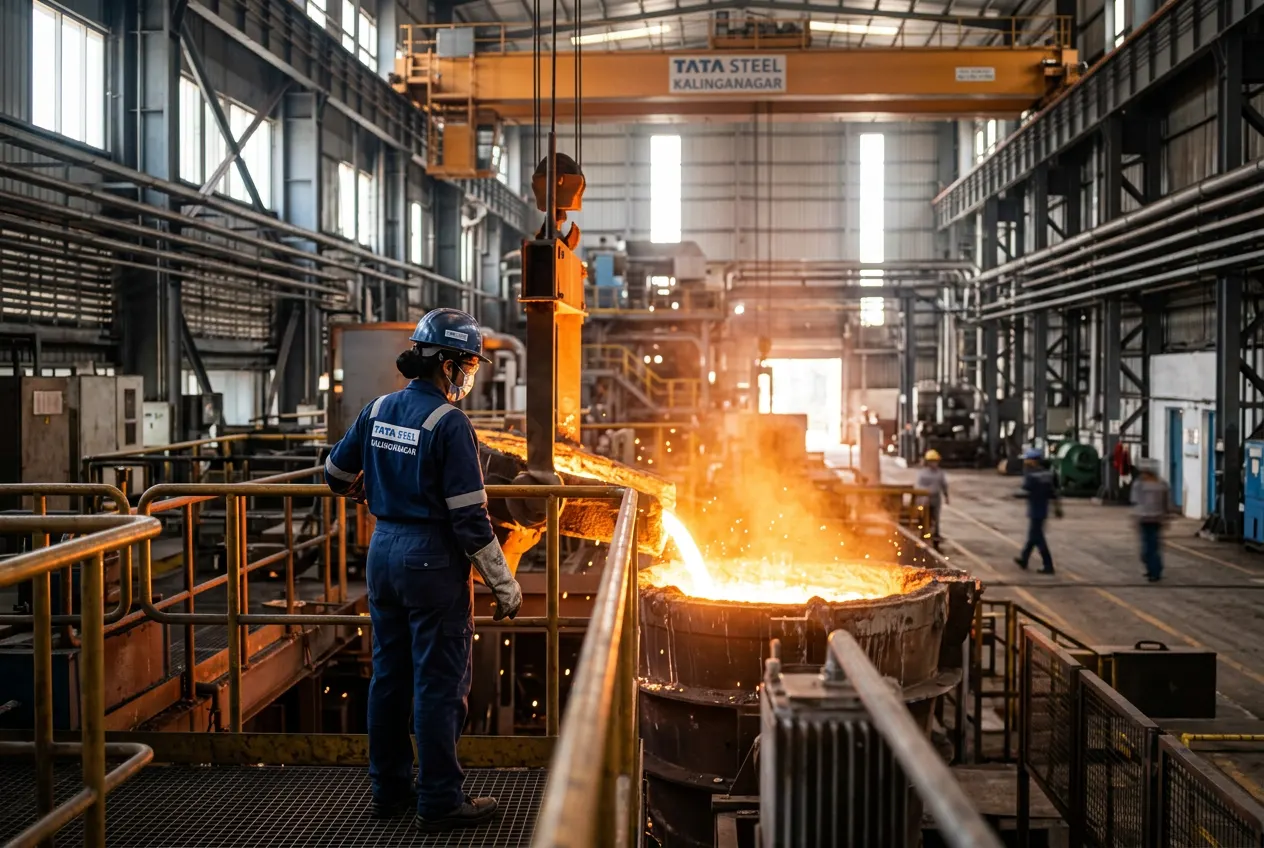 CBAMCBAM for Iron & Steel and Aluminium Exporters to the EUAn in-depth guide to how CBAM hits Indian iron, steel and aluminium exporters: covered CN codes, direct vs indirect emissions, precursors, the transitional-to-definitive shift, and what EU buyers now demand.
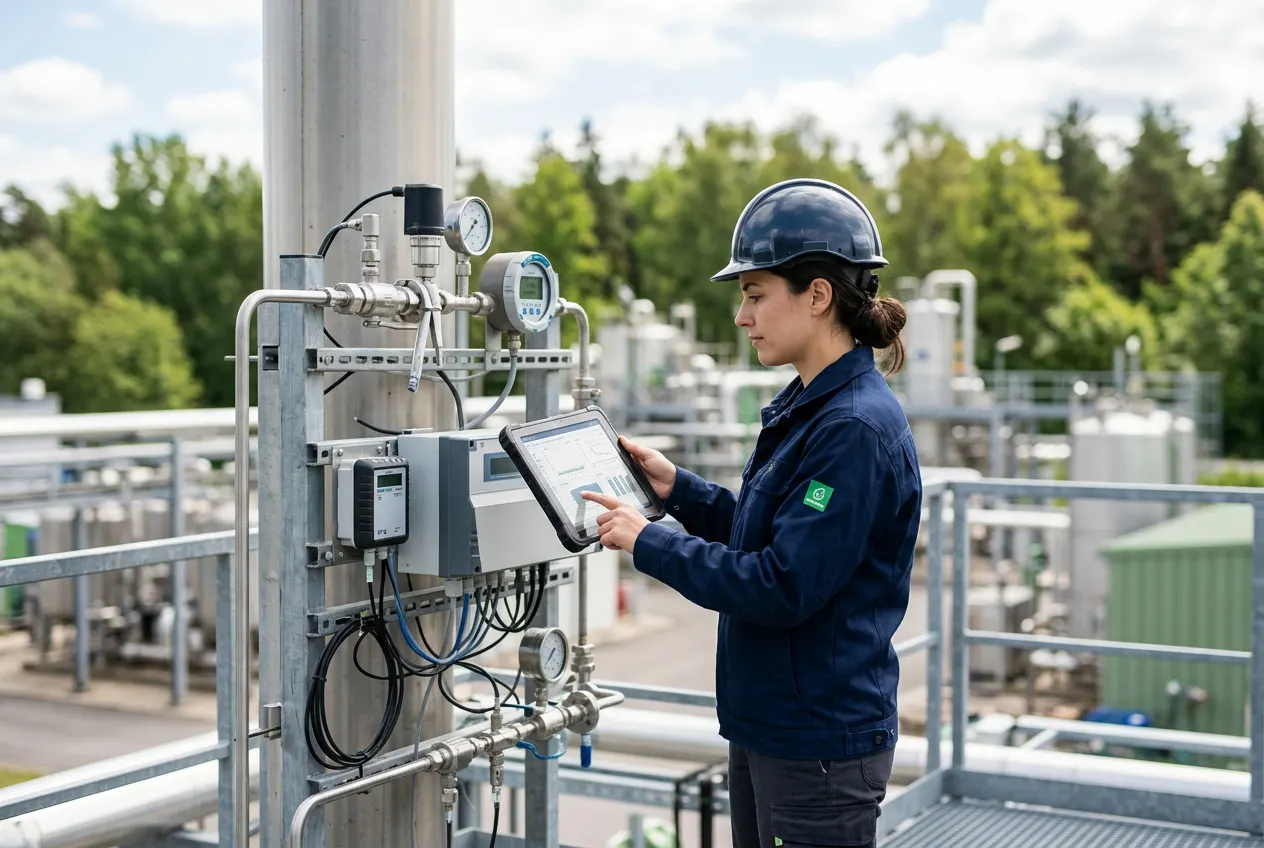 CBAMHow to Calculate Embedded Emissions for a CBAM ReportA detailed, step-by-step method for calculating embedded emissions for a CBAM report: system boundaries, direct and indirect emissions, precursors, allocation, default values versus actual data, and verification.