
CBAM vs EU ETS Explained
How CBAM relates to the EU Emissions Trading System, explained simply.
CBAM vs EU ETS Explained
CBAM is designed to complement the EU Emissions Trading System (ETS) by addressing the risk of carbon leakage on imports of covered goods. While the ETS applies to installations within the EU, CBAM addresses the embedded emissions of imported goods. Social Lab explains the relationship and what it means for you.
Your end-to-end CBAM compliance partner
Collection and calculation of CBAM emissions data, and preparation of quarterly and annual CBAM reports in line with EU requirements.
Assessment of CBAM costs based on embedded emissions and EU carbon prices, and identification of emission reduction opportunities to minimize future carbon costs.
Preparation of documentation required for CBAM verification, and coordination and support during third-party verification and annual compliance.
Your deliverables
CBAM vs EU ETS Explained — questions we get
How is CBAM different from the ETS?
The ETS covers emissions from installations within the EU, while CBAM addresses embedded emissions of certain imports.
Why was CBAM created?
To address carbon leakage — the risk of production shifting to regions with weaker carbon rules.
Do they work together?
Yes. CBAM is designed to complement the EU ETS as part of the EU’s climate framework.
Keep exploring CBAM
Latest thinking on this
 CBAMCBAM Explained for Indian Exporters: What It Is and Who It AffectsA comprehensive, plain-English guide to the EU Carbon Border Adjustment Mechanism for Indian exporters: what CBAM is, which goods it covers, how embedded emissions work, the reporting workflow, and what you must do before 2026.
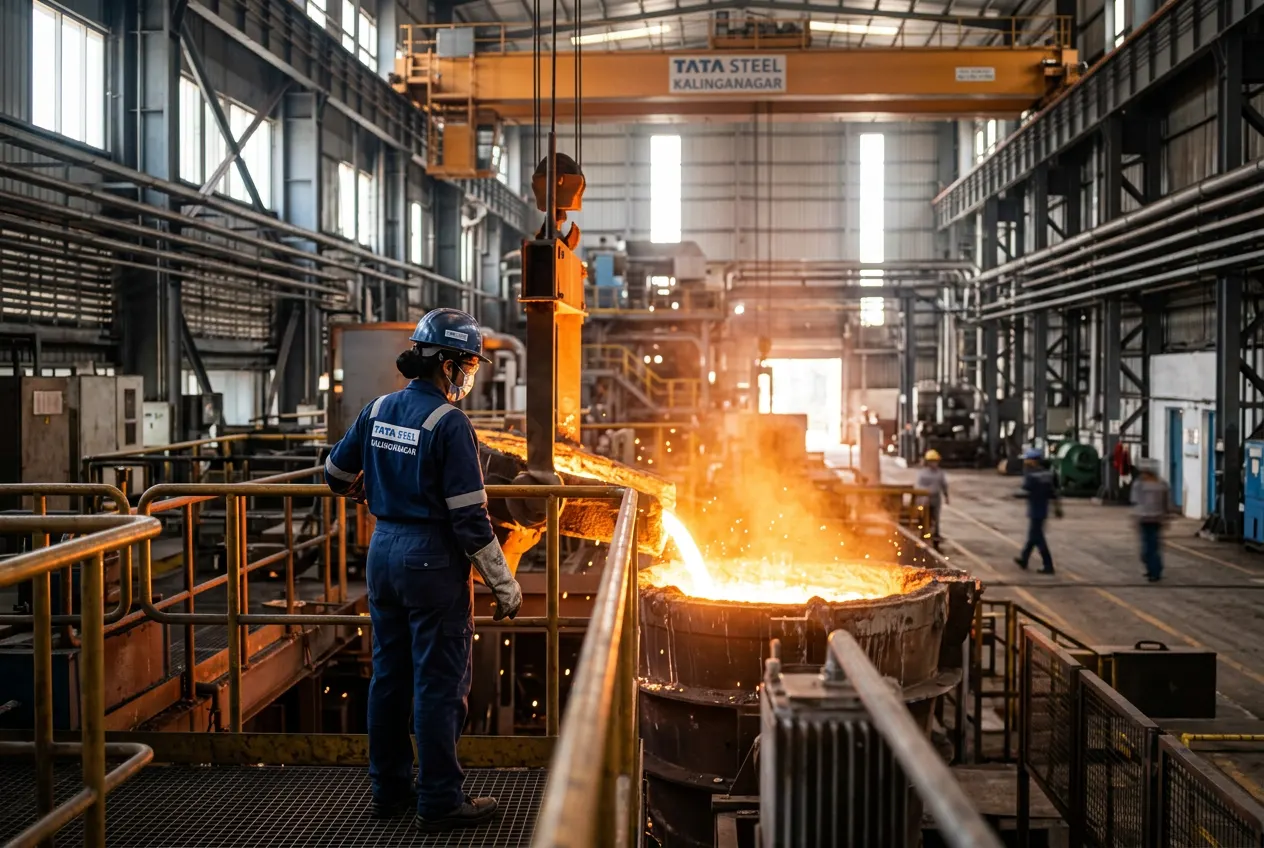 CBAMCBAM for Iron & Steel and Aluminium Exporters to the EUAn in-depth guide to how CBAM hits Indian iron, steel and aluminium exporters: covered CN codes, direct vs indirect emissions, precursors, the transitional-to-definitive shift, and what EU buyers now demand.
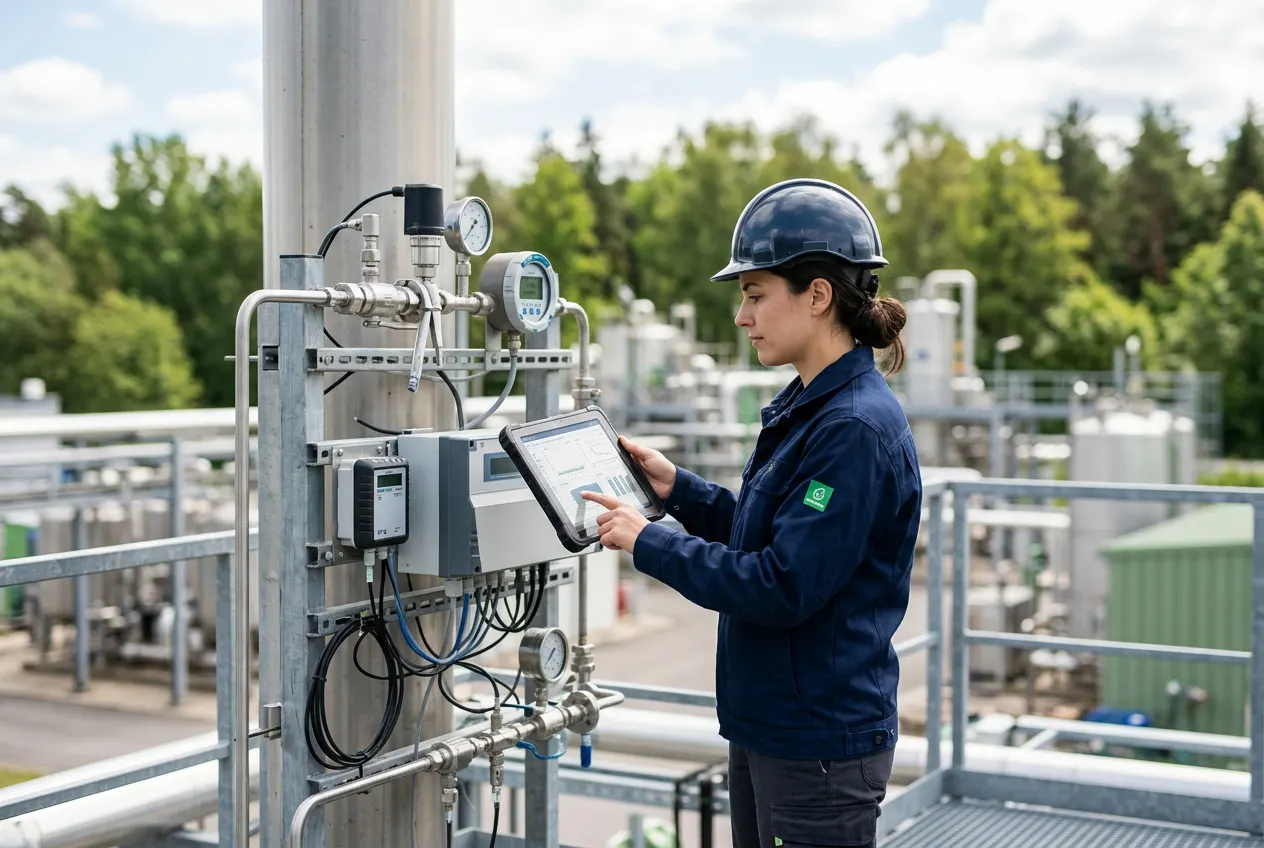 CBAMHow to Calculate Embedded Emissions for a CBAM ReportA detailed, step-by-step method for calculating embedded emissions for a CBAM report: system boundaries, direct and indirect emissions, precursors, allocation, default values versus actual data, and verification.
Need CBAM vs EU ETS explained?
Tell us where you are — we'll scope it and handle it end to end.
Or call +91 77589 17508 · [email protected]