
Waste Infrastructure Gap Assessment
What infrastructure a city has vs what it needs — mapped and costed.
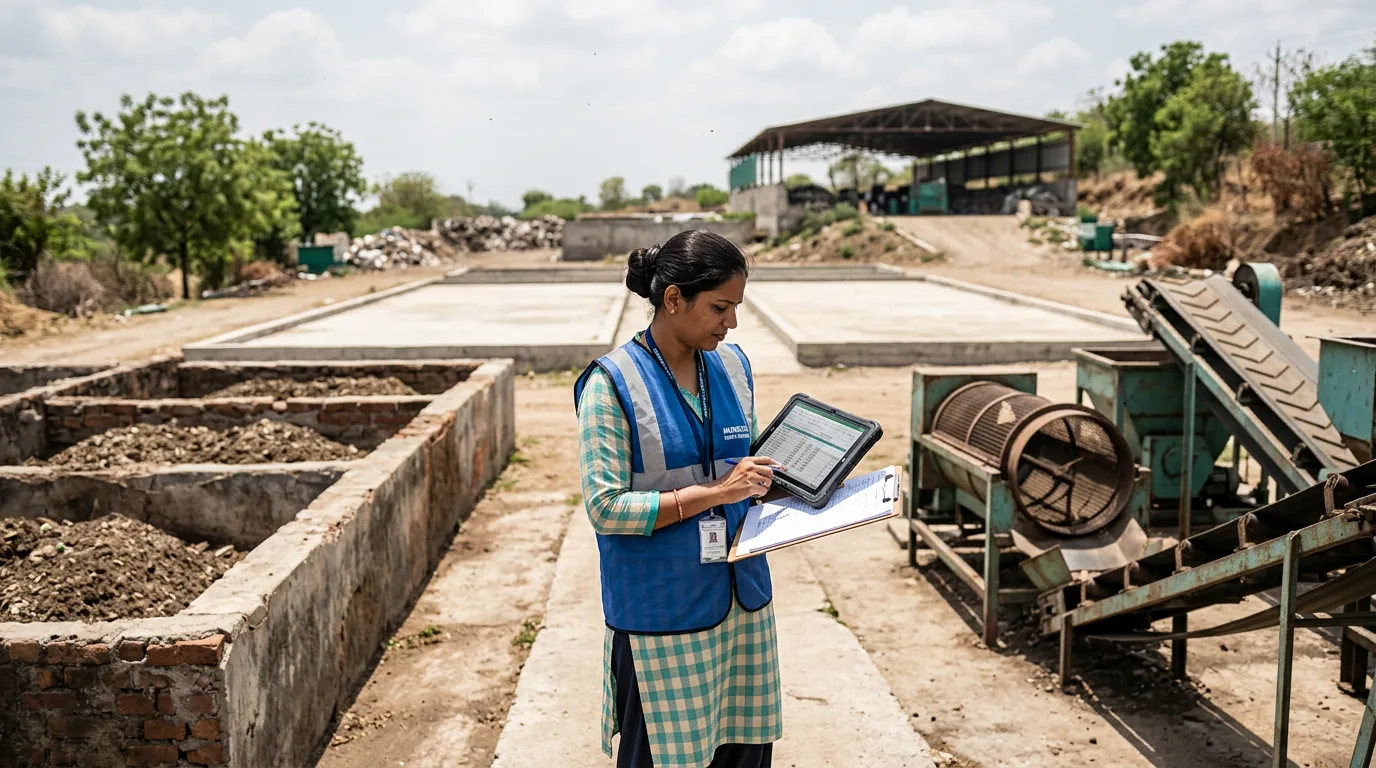
A gap assessment inventories existing vehicles, bins, transfer stations, MRFs and processing capacity against generation, and quantifies the shortfall in collection, transport and processing to full compliance.
- It prevents over- or under-investment in vehicles and plants
- It exposes the transport and processing bottlenecks that stall systems
- It anchors the capital plan and DPRs in real need
What you have vs what the city needs
A gap assessment lines up existing assets against the waste the city actually generates — and turns the shortfall into an investment roadmap.
- Vehicles, transfer stations & bins
- Processing & composting throughput
- MRF & disposal capacity
- Demand from measured generation
- Segregation & processing targets
- Prioritised investment roadmap
The gap between the two is the investment case.
A clear, practical approach
Vehicles, bins, transfer stations and processing capacity audited.
Shortfalls quantified across collection, transport and processing.
A prioritised, costed infrastructure gap-closure plan.
Related work we've delivered
Real projects behind our city assessment & planning — named partners, measured outcomes.
Single-Use Plastics Value-Chain Assessment
2 cities in Maharashtra & 2 cities in Tamil Nadu
Impact Evaluation of a Decentralized Solid Waste Management Project
16 Bulk Waste Generators across Mumbai & Pune
Related services
Waste Infrastructure Gap Assessment — quick answers
The essentials, then talk to us for your specifics.
Talk to our team →What is Waste Infrastructure Gap Assessment?
Who needs Waste Infrastructure Gap Assessment?
How does Social Lab deliver Waste Infrastructure Gap Assessment?
Explore the rest of our waste-circularity work — by service, by who you are, or by where you operate.
Latest thinking on this
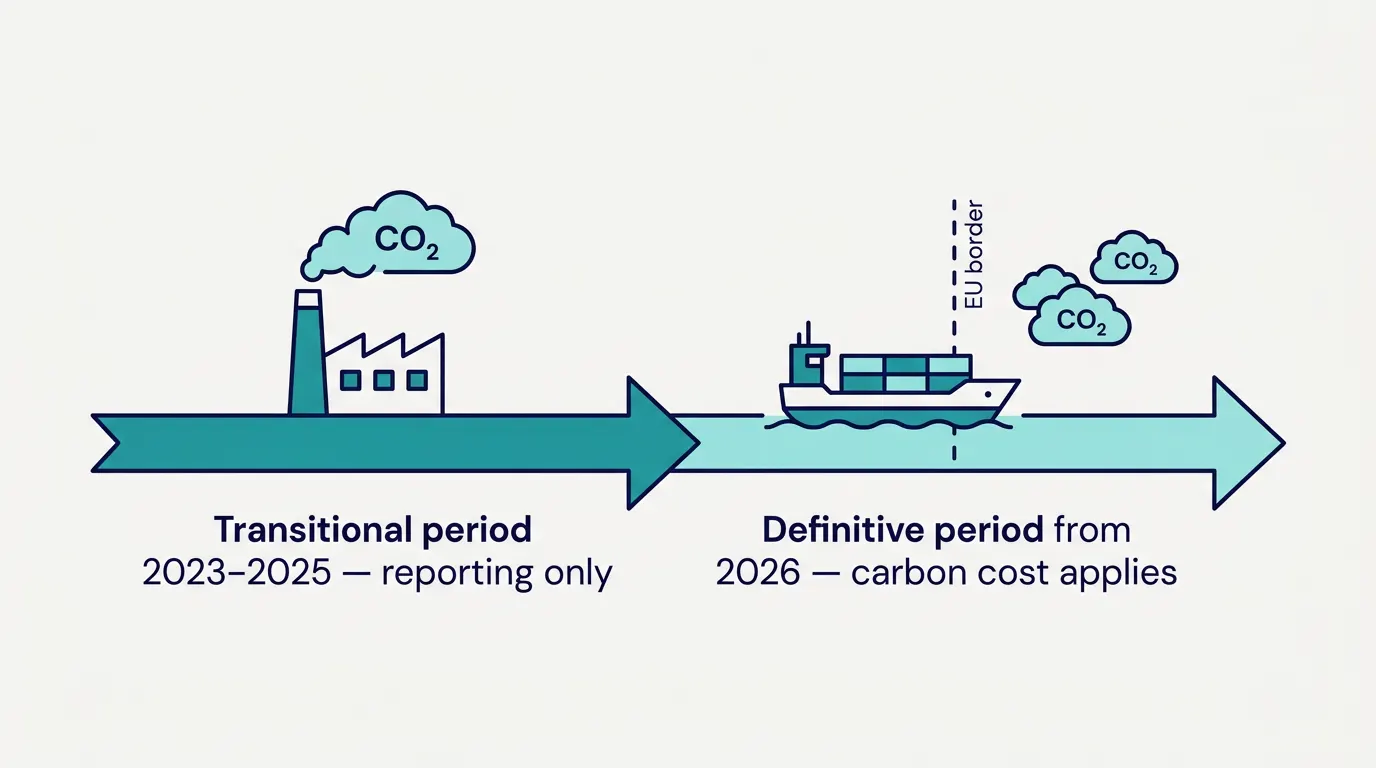 Waste CircularityIndia's Circularity Leap: Key Learnings for Waste Management in 2026As India accelerates its transition to a circular economy, businesses and municipalities must adapt. Discover critical waste circularity learnings for 2026.
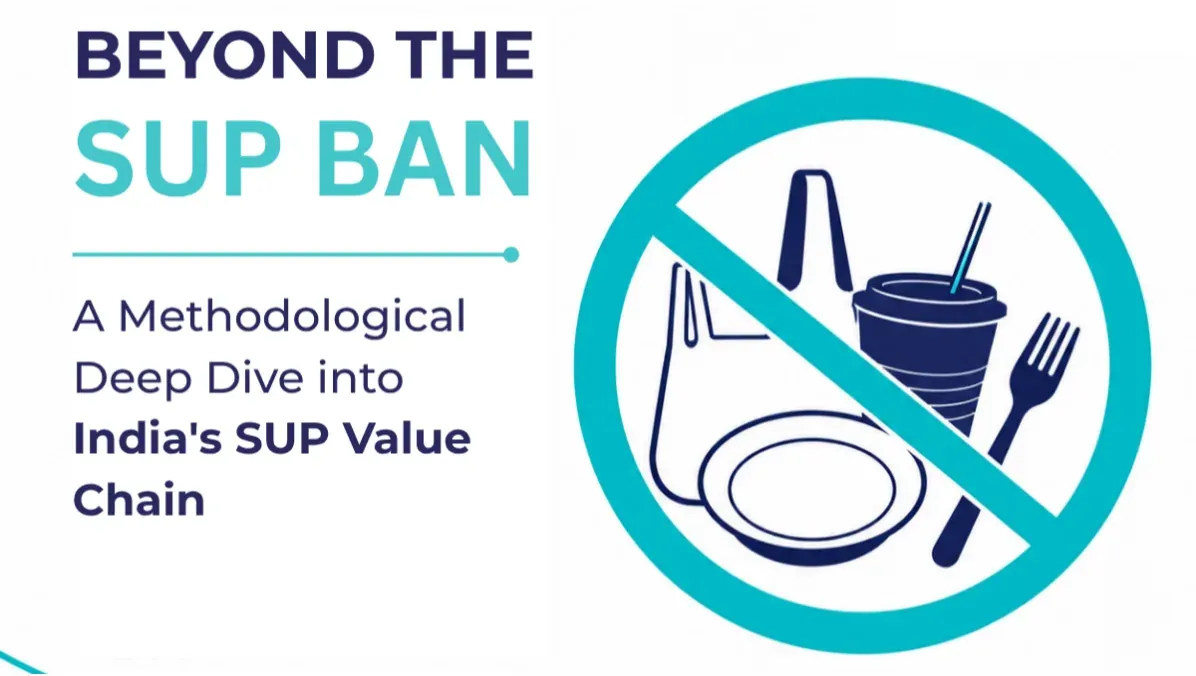 Waste CircularityMaterial Sovereignty in India: Building Resilient Circular Supply ChainsIndia can strengthen material security by connecting smarter design, EPR, urban recovery, recycling quality and demand for verified secondary materials.
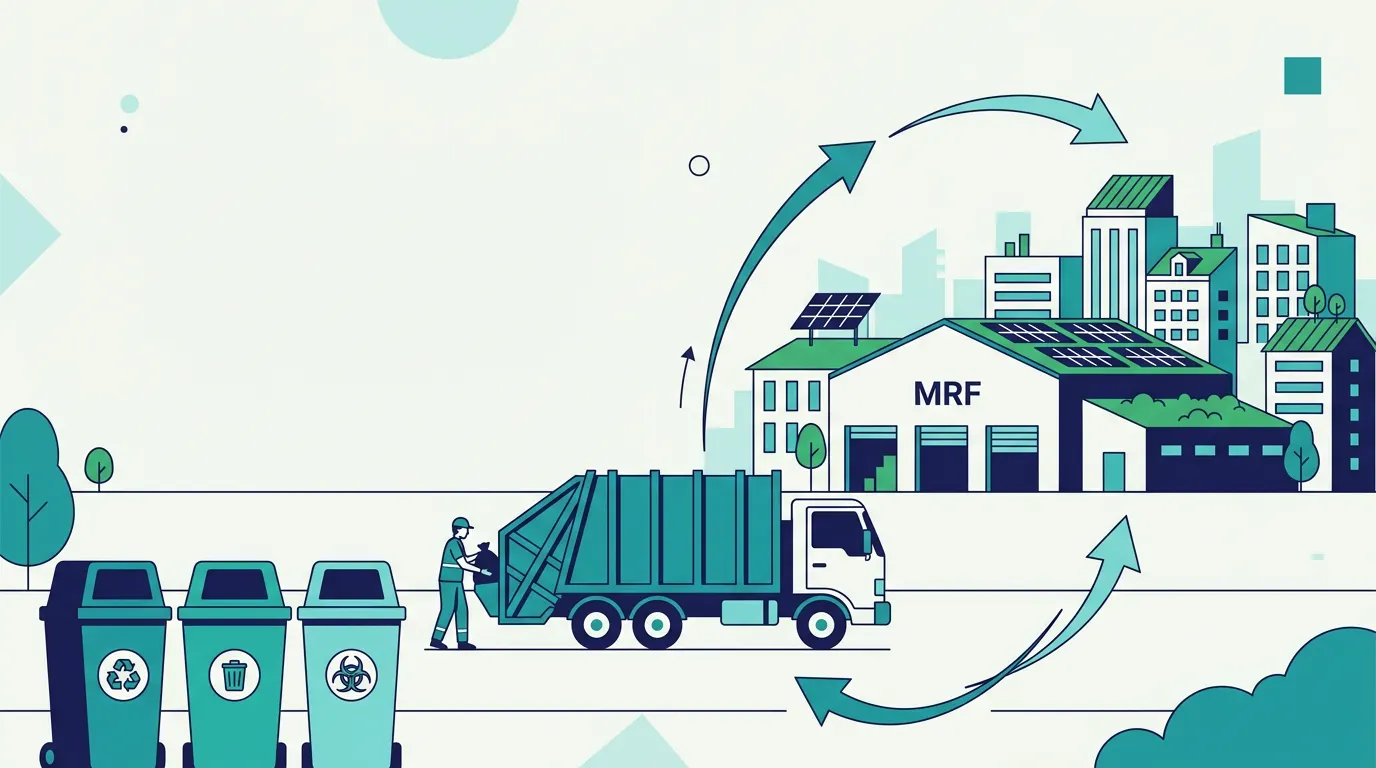 Waste CircularityBuilding a Circular City: A Solid-Waste Roadmap for ULBsA practical, phase-by-phase solid-waste roadmap for Indian ULBs to move from disposal to circularity, aligned with SWM Rules 2016 and SBM-U 2.0, covering the full value chain from segregation to scientific disposal.
Need waste infrastructure gap assessment?
Tell us where you are and we'll scope it — baseline to measured impact.
Or call +91 95794 42142 · [email protected]