
Inclusive Waste Collection Models
Collection systems designed to include, not displace, informal workers.
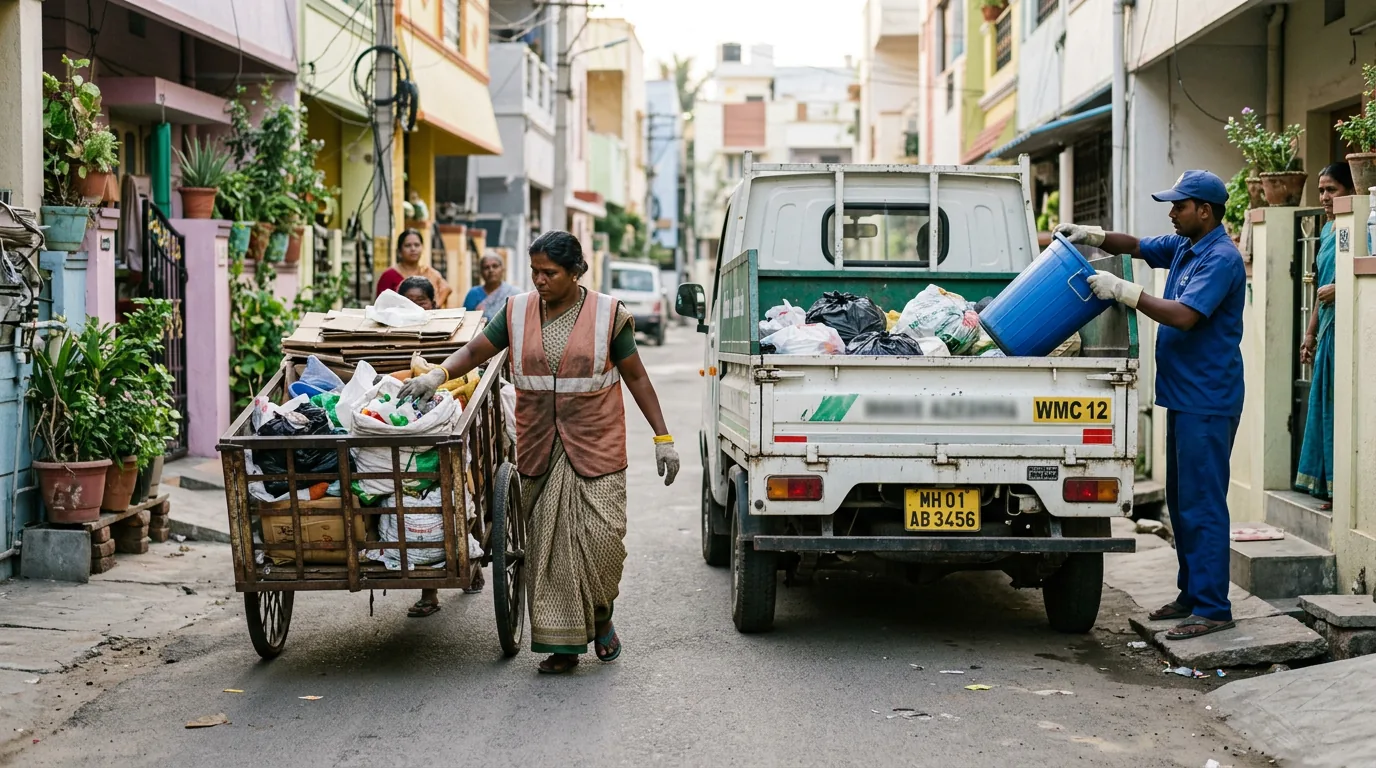
Formalising collection can accidentally displace the informal workers who already do it. Inclusive models embed waste-pickers and SHGs as the collection or dry-waste workforce, so modernisation lifts rather than erases livelihoods.
- Modernisation can wipe out informal livelihoods if careless
- Inclusion secures both service quality and jobs
- It is central to a just transition in waste
Modernise collection without erasing jobs
Formalising collection can quietly displace the informal workers who already do it. Inclusive models embed pickers and SHGs as the workforce, so upgrading service lifts livelihoods too.
- Private contract replaces informal workers
- Existing pickers lose access to waste
- Livelihoods erased by the upgrade
- Pickers and SHGs as the workforce
- Roles embedded in the new system
- Fair terms and transition support
A just transition upgrades the service and the livelihoods together.
A clear, practical approach
Existing informal actors and their roles.
Roles for pickers/SHGs in the new system.
Training and terms for a fair transition.
Related work we've delivered
Real projects behind our waste-picker integration — named partners, measured outcomes.
Integrating Waste Pickers at the Baramati MRF
Baramati, Pune district (Population 1,08,152 · ~10 TPD dry waste)
Creating a Garbage-Free Slum in Wadarwadi
Wadarwadi, Shivajinagar ward, Pune
Evaluation of the Solid Waste Management Project at Dharamshala
Dharamshala (Rakkar), Himachal Pradesh
Related services
Inclusive Waste Collection Models — quick answers
The essentials, then talk to us for your specifics.
Talk to our team →What is inclusive waste collection models?
Who needs Inclusive Waste Collection Models?
How does Social Lab deliver Inclusive Waste Collection Models?
Explore the rest of our waste-circularity work — by service, by who you are, or by where you operate.
Latest thinking on this
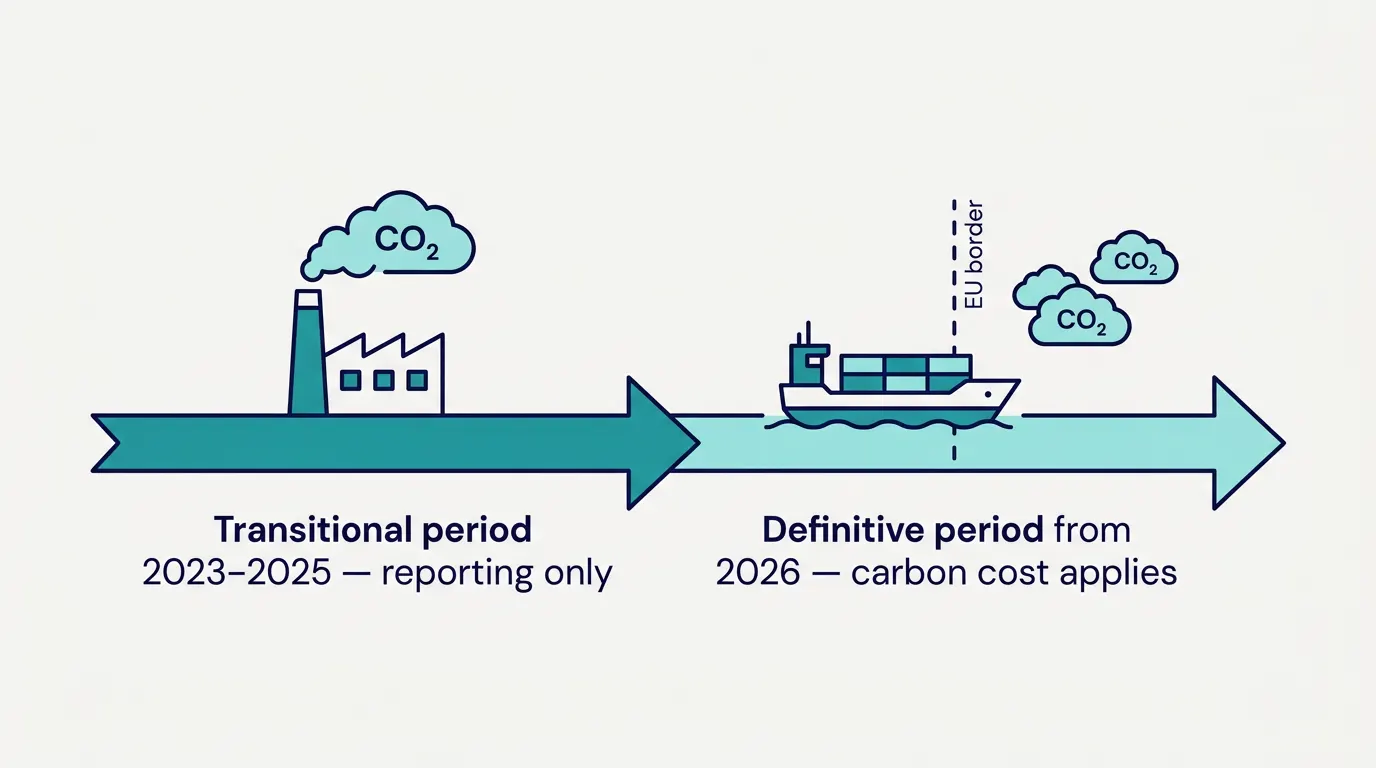 Waste CircularityIndia's Circularity Leap: Key Learnings for Waste Management in 2026As India accelerates its transition to a circular economy, businesses and municipalities must adapt. Discover critical waste circularity learnings for 2026.
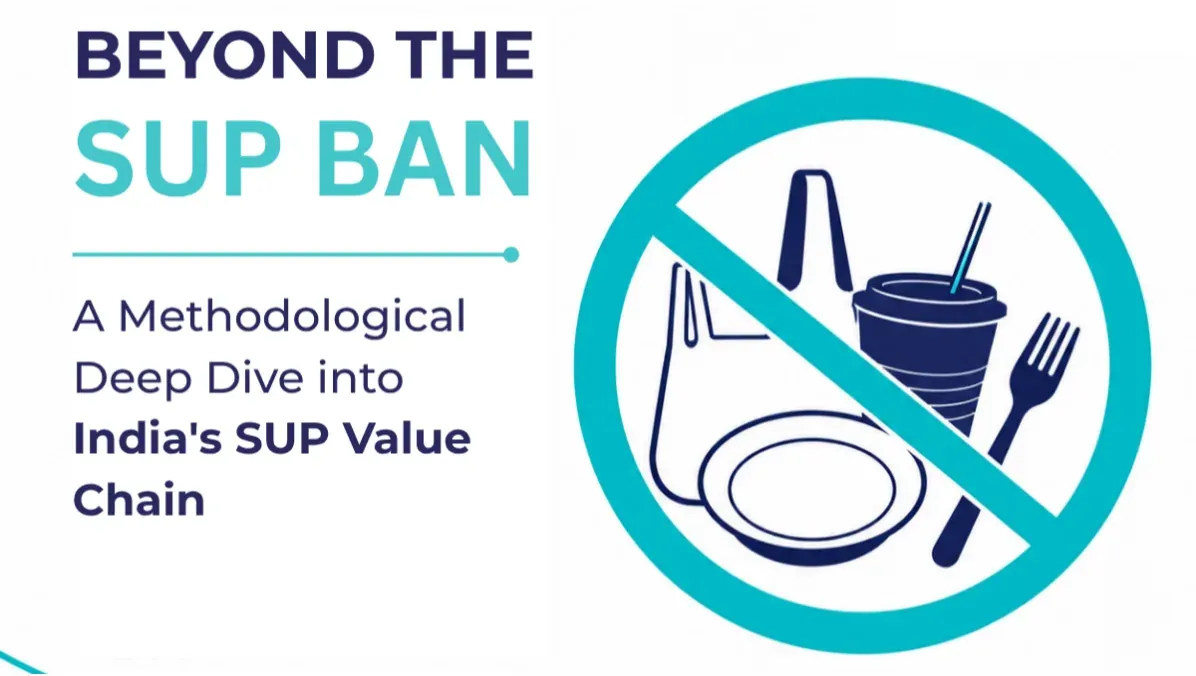 Waste CircularityMaterial Sovereignty in India: Building Resilient Circular Supply ChainsIndia can strengthen material security by connecting smarter design, EPR, urban recovery, recycling quality and demand for verified secondary materials.
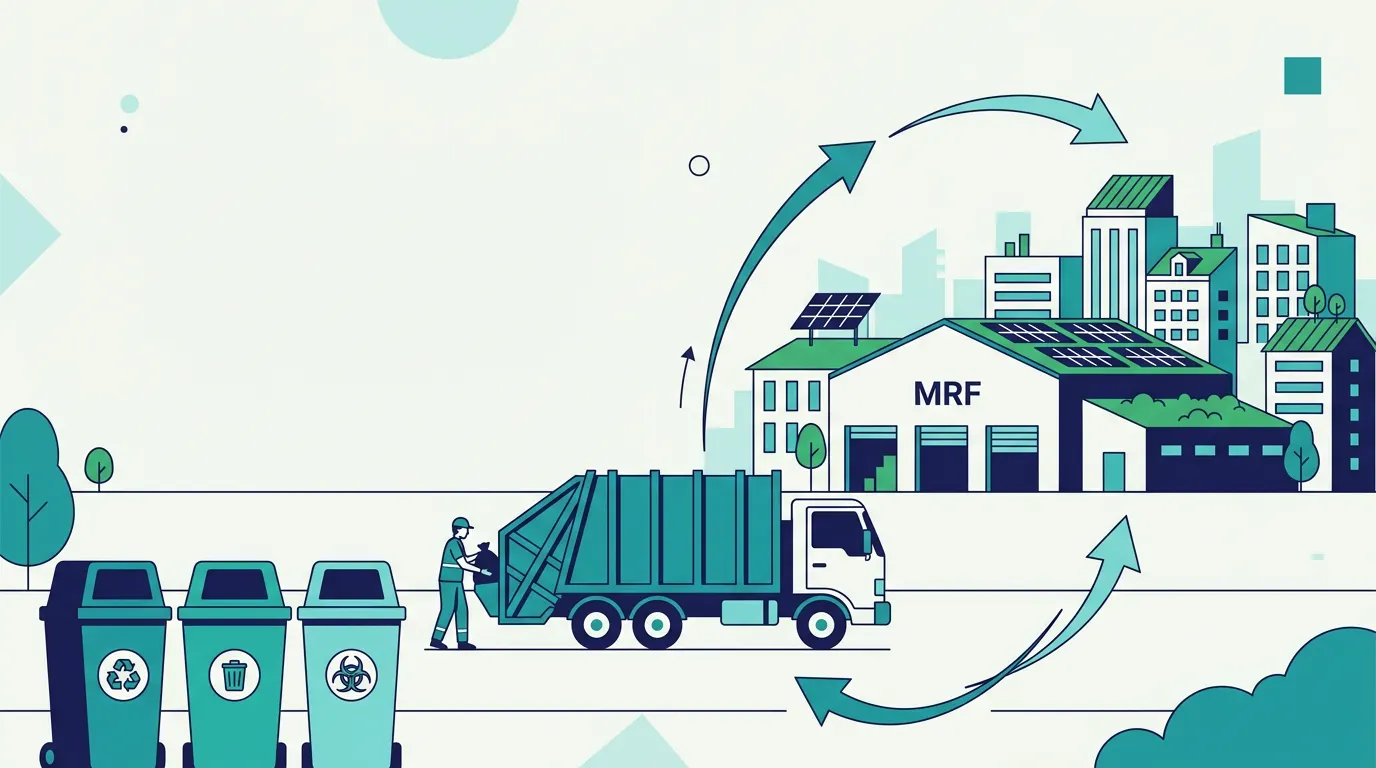 Waste CircularityBuilding a Circular City: A Solid-Waste Roadmap for ULBsA practical, phase-by-phase solid-waste roadmap for Indian ULBs to move from disposal to circularity, aligned with SWM Rules 2016 and SBM-U 2.0, covering the full value chain from segregation to scientific disposal.
Need inclusive waste collection models?
Tell us where you are and we'll scope it — baseline to measured impact.
Or call +91 95794 42142 · [email protected]