Waste-Picker MRF Integration
Placing waste-pickers at the heart of material recovery facilities.
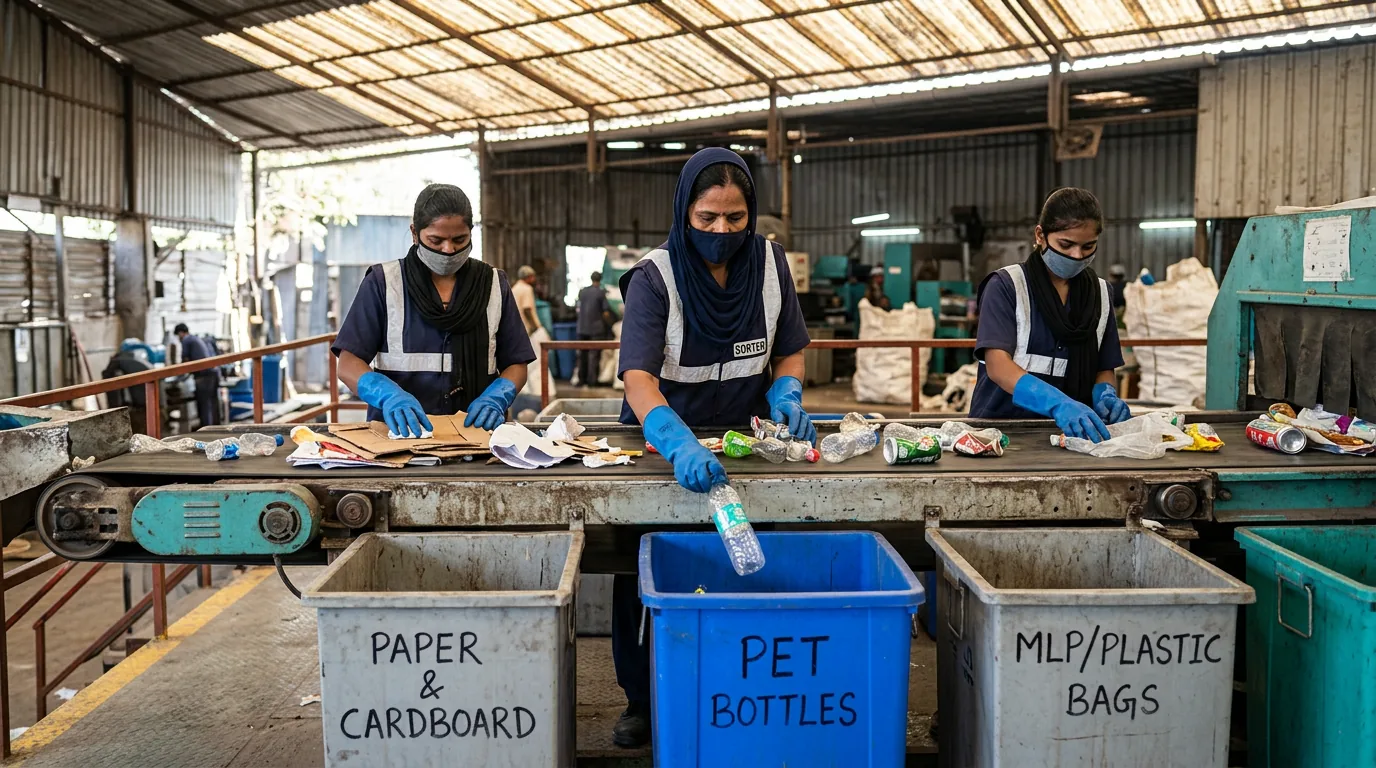
Integrating waste-pickers into MRFs gives them stable, sheltered, safer work while giving the MRF a skilled, motivated workforce that already knows materials — a win for both recovery rates and livelihoods.
- Waste-pickers are the most skilled sorters available
- MRF work is safer and more stable than street picking
- It raises both recovery rates and incomes
Sheltered work beats street picking
Bringing waste-pickers into material recovery facilities trades exposure and instability for safer, steadier work — while giving the MRF the most skilled sorters available.
- Exposed to traffic, weather and hazards
- Unstable, unpredictable daily income
- Isolated, with no grievance recourse
- Safer, controlled work environment
- Stable shifts and remuneration
- Fair terms and grievance mechanisms
The same skill, in a safer place, earning more reliably.
A clear, practical approach
Roles, shifts and remuneration in the MRF.
Placement with sorting and safety training.
Fair terms and grievance mechanisms.
Related work we've delivered
Real projects behind our waste-picker integration — named partners, measured outcomes.
Integrating Waste Pickers at the Baramati MRF
Baramati, Pune district (Population 1,08,152 · ~10 TPD dry waste)
Creating a Garbage-Free Slum in Wadarwadi
Wadarwadi, Shivajinagar ward, Pune
Evaluation of the Solid Waste Management Project at Dharamshala
Dharamshala (Rakkar), Himachal Pradesh
Related services
Waste-Picker MRF Integration — quick answers
The essentials, then talk to us for your specifics.
Talk to our team →What is Waste-Picker MRF Integration?
Who needs Waste-Picker MRF Integration?
How does Social Lab deliver Waste-Picker MRF Integration?
Explore the rest of our waste-circularity work — by service, by who you are, or by where you operate.
Latest thinking on this
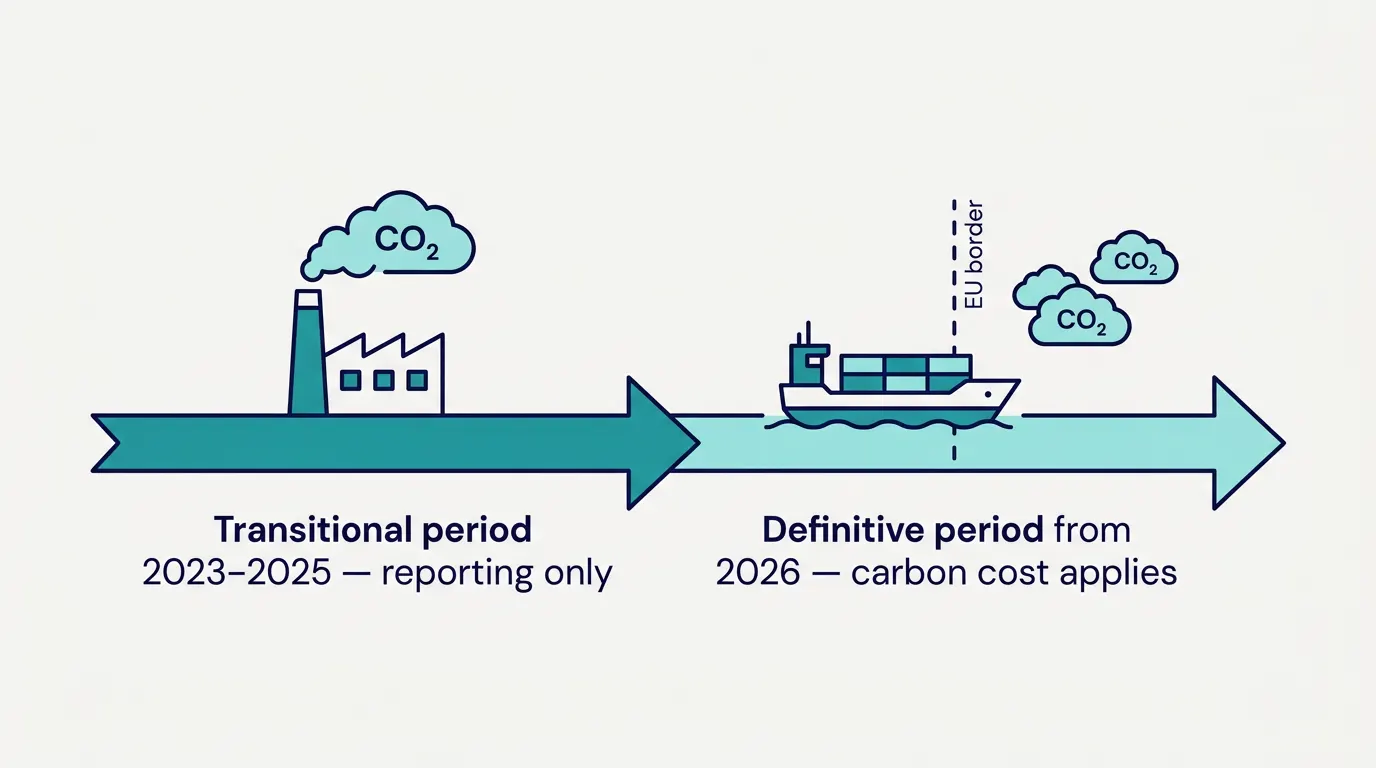 Waste CircularityIndia's Circularity Leap: Key Learnings for Waste Management in 2026As India accelerates its transition to a circular economy, businesses and municipalities must adapt. Discover critical waste circularity learnings for 2026.
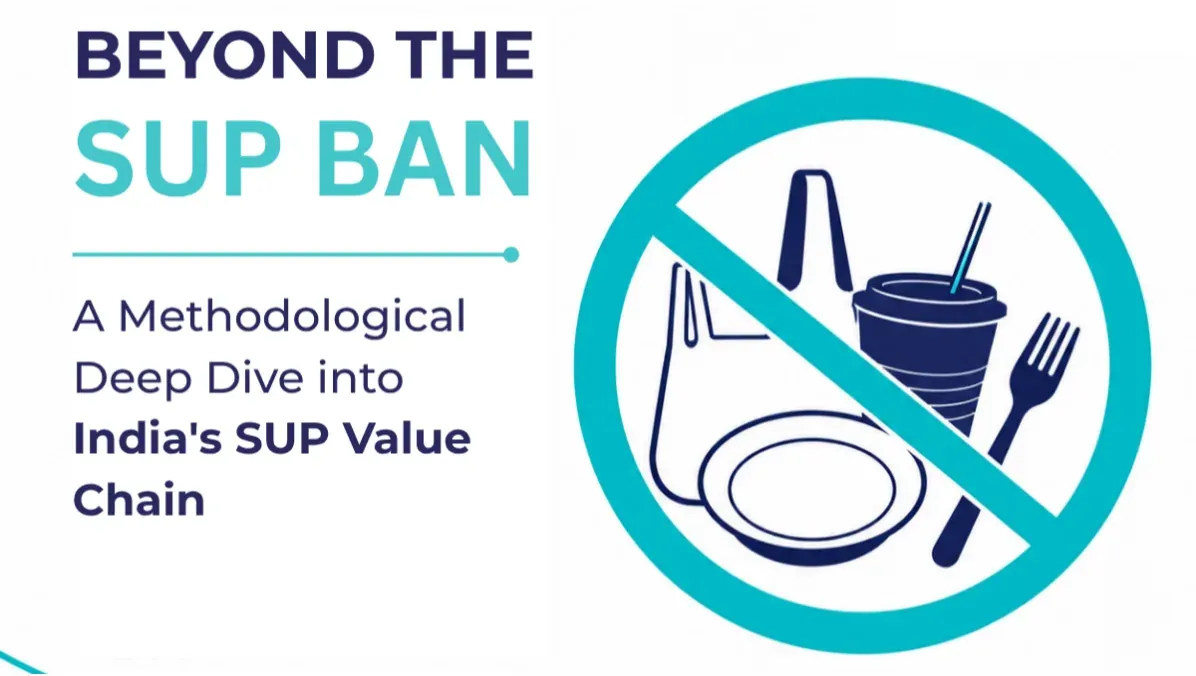 Waste CircularityMaterial Sovereignty in India: Building Resilient Circular Supply ChainsIndia can strengthen material security by connecting smarter design, EPR, urban recovery, recycling quality and demand for verified secondary materials.
 Waste CircularityBuilding a Circular City: A Solid-Waste Roadmap for ULBsA practical, phase-by-phase solid-waste roadmap for Indian ULBs to move from disposal to circularity, aligned with SWM Rules 2016 and SBM-U 2.0, covering the full value chain from segregation to scientific disposal.
Need waste-picker MRF integration?
Tell us where you are and we'll scope it — baseline to measured impact.
Or call +91 95794 42142 · [email protected]