
Occupational Health & Safety for Informal Waste Workers
Cutting the injury, infection and exposure that come with the work.
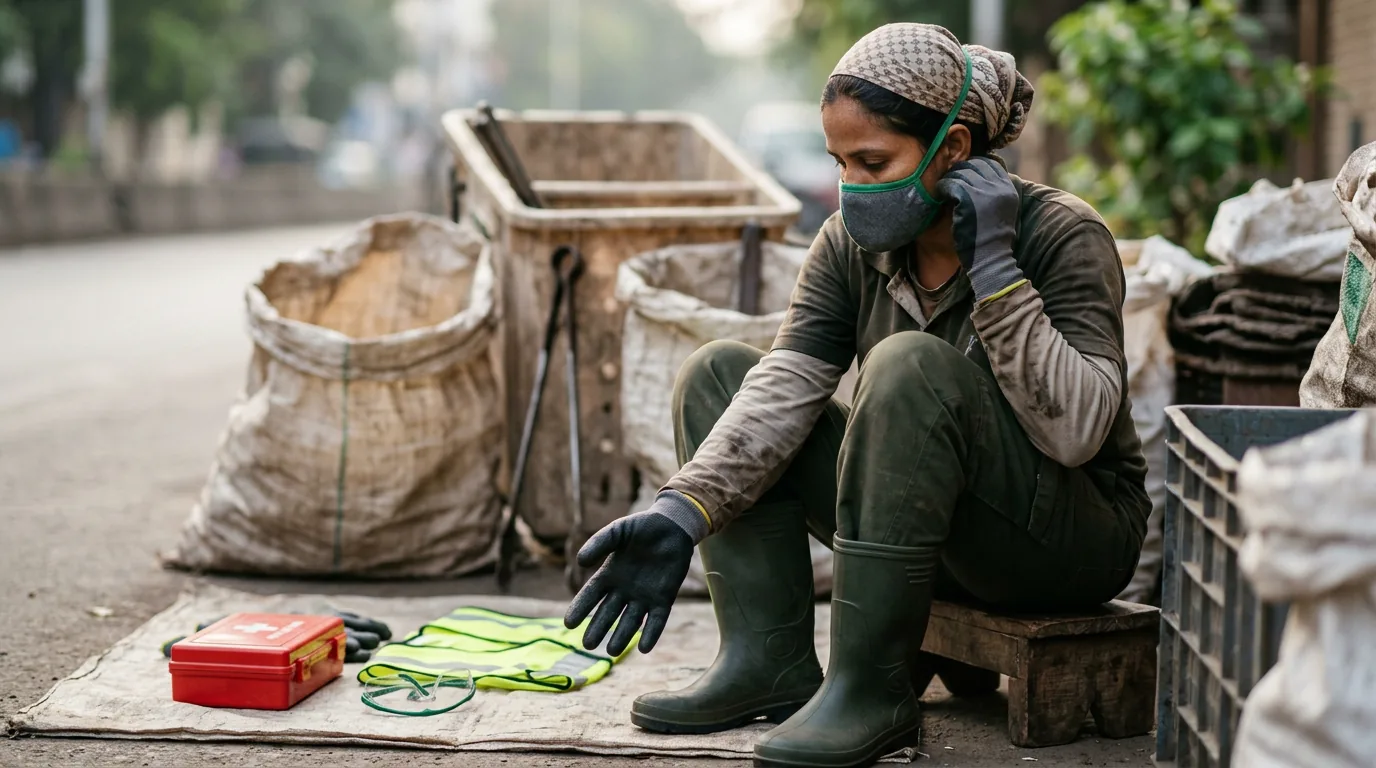
Informal waste work carries serious health and safety risks. We assess exposures and set up PPE, safe-handling protocols, health check-ups and awareness so workers face far lower risk of injury and disease.
- Waste work is among the most hazardous informal livelihoods
- Basic OHS dramatically cuts injury and illness
- It is a core dignity and duty-of-care outcome
Remove the hazard before reaching for PPE
The hierarchy of controls puts the most effective protections first — eliminating and isolating hazards — with PPE as the last line, not the only one, for informal waste workers.
PPE protects only the individual — controls higher up protect everyone, every time.
A clear, practical approach
Exposures across sorting, collection and sites.
PPE, protocols, health checks and awareness.
Incident tracking and continuous improvement.
Related work we've delivered
Real projects behind our waste-picker integration — named partners, measured outcomes.
Integrating Waste Pickers at the Baramati MRF
Baramati, Pune district (Population 1,08,152 · ~10 TPD dry waste)
Creating a Garbage-Free Slum in Wadarwadi
Wadarwadi, Shivajinagar ward, Pune
Evaluation of the Solid Waste Management Project at Dharamshala
Dharamshala (Rakkar), Himachal Pradesh
Related services
Occupational Health & Safety for Informal Waste Workers — quick answers
The essentials, then talk to us for your specifics.
Talk to our team →What is occupational health & safety for informal waste workers?
Who needs Occupational Health & Safety for Informal Waste Workers?
How does Social Lab deliver Occupational Health & Safety for Informal Waste Workers?
Explore the rest of our waste-circularity work — by service, by who you are, or by where you operate.
Latest thinking on this
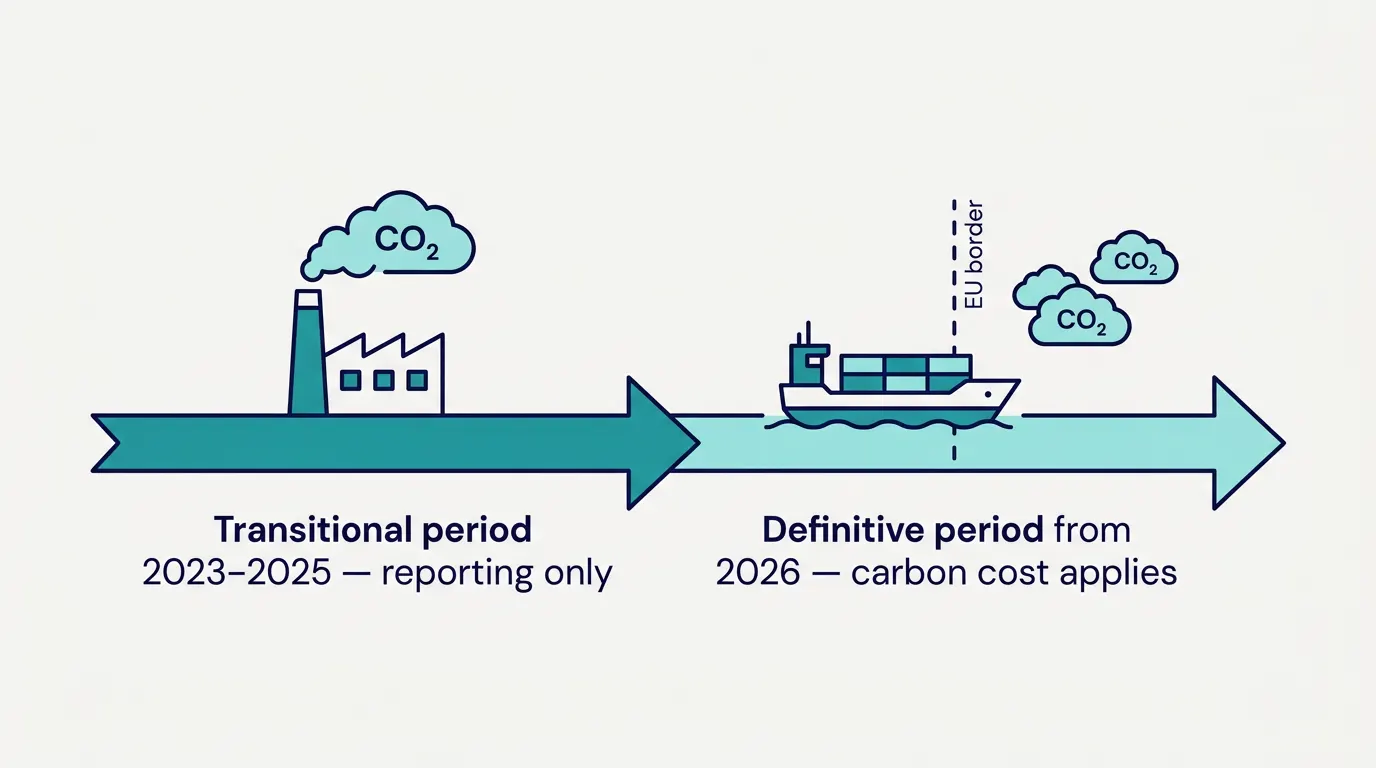 Waste CircularityIndia's Circularity Leap: Key Learnings for Waste Management in 2026As India accelerates its transition to a circular economy, businesses and municipalities must adapt. Discover critical waste circularity learnings for 2026.
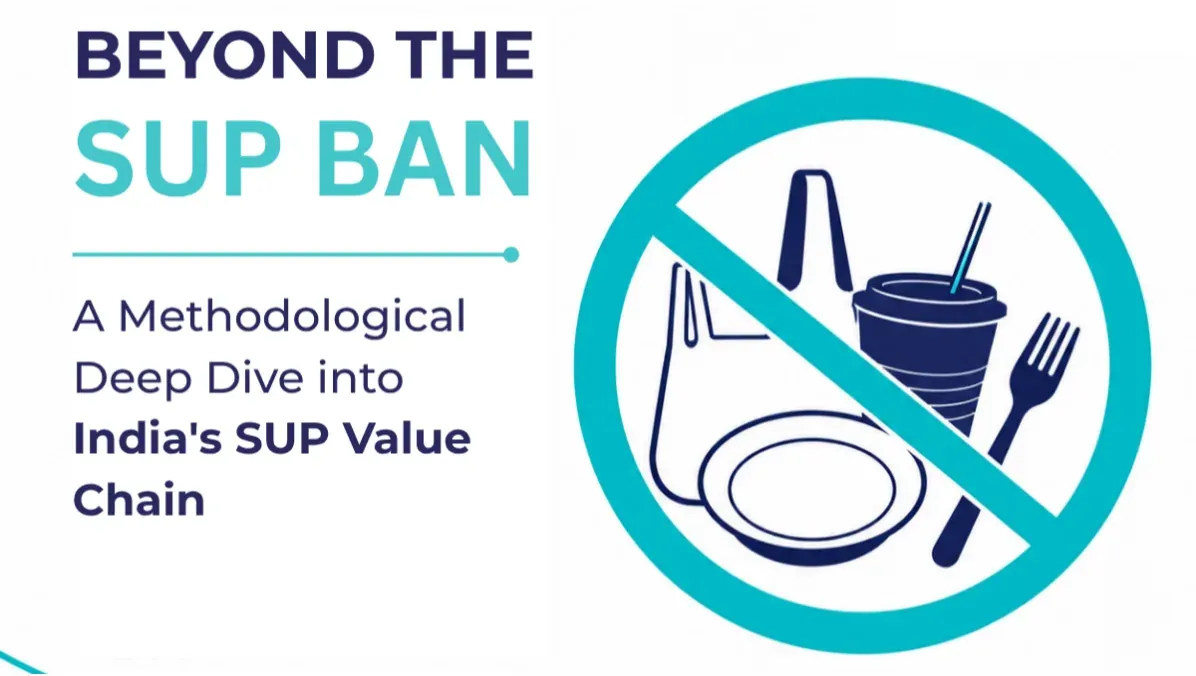 Waste CircularityMaterial Sovereignty in India: Building Resilient Circular Supply ChainsIndia can strengthen material security by connecting smarter design, EPR, urban recovery, recycling quality and demand for verified secondary materials.
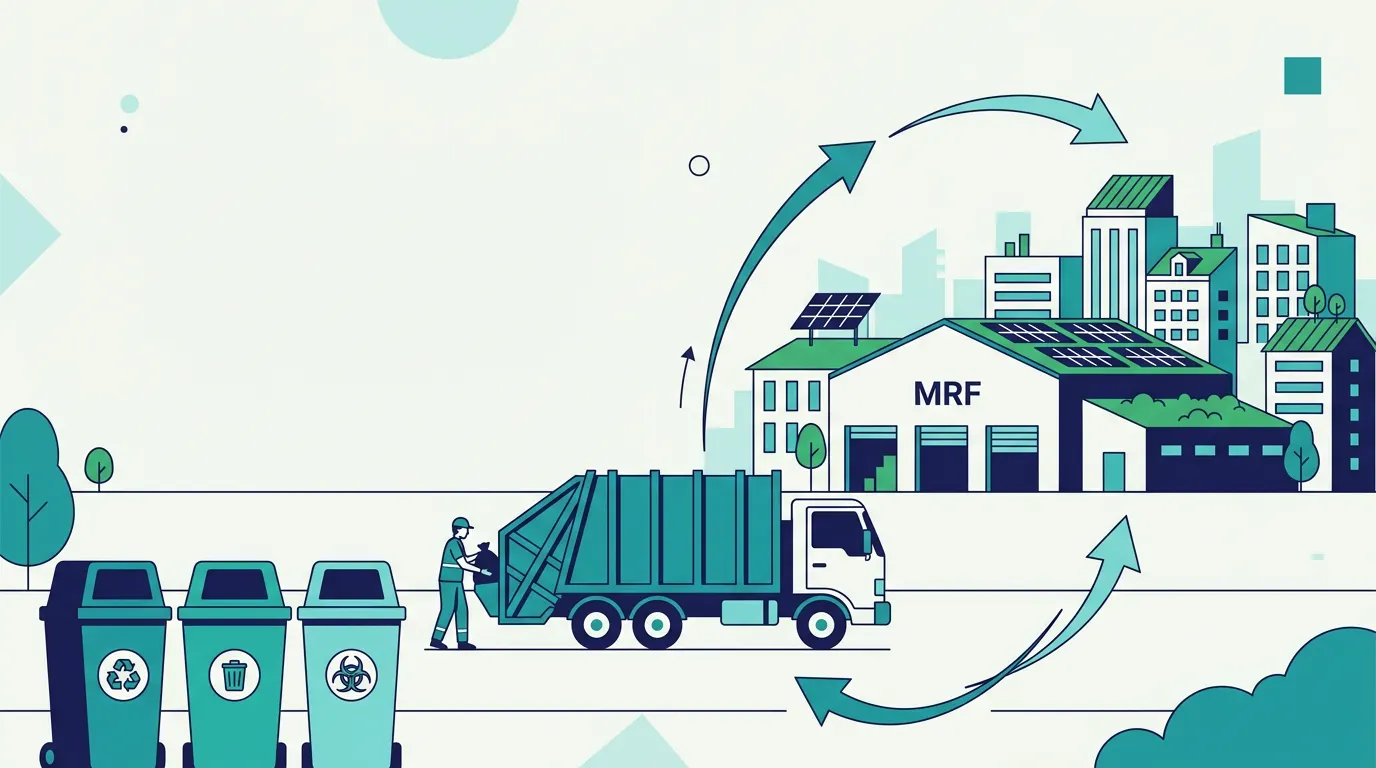 Waste CircularityBuilding a Circular City: A Solid-Waste Roadmap for ULBsA practical, phase-by-phase solid-waste roadmap for Indian ULBs to move from disposal to circularity, aligned with SWM Rules 2016 and SBM-U 2.0, covering the full value chain from segregation to scientific disposal.
Need occupational health & safety for informal waste workers?
Tell us where you are and we'll scope it — baseline to measured impact.
Or call +91 95794 42142 · [email protected]