Domestic Hazardous & Sanitary Waste Protocols
Handling the small-but-dangerous fraction the SWM Rules require to be separated.
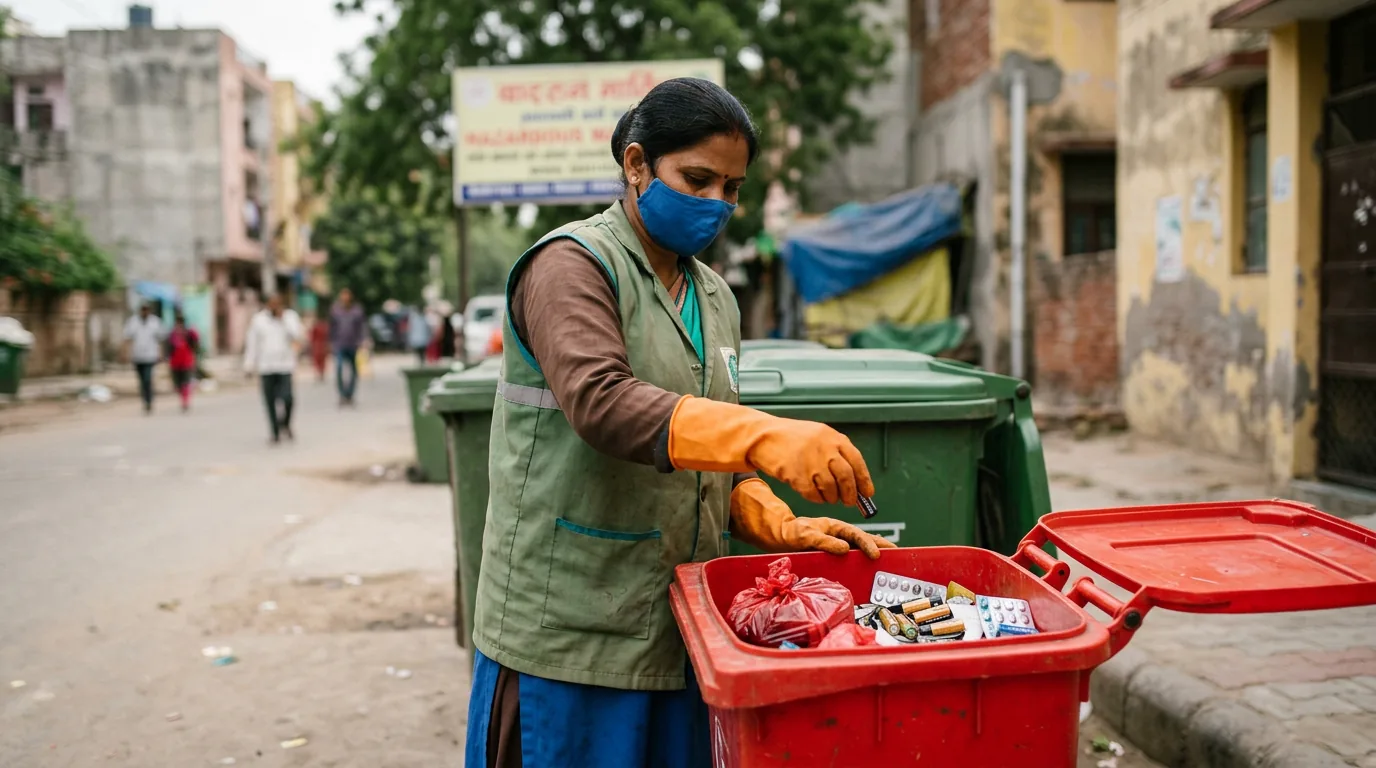
The SWM Rules 2016 require domestic hazardous waste (batteries, chemicals, e-waste) and sanitary waste (diapers, napkins) to be collected and disposed of separately. We design the wrapping, separate collection and safe-disposal protocols.
- These streams are legally required to be handled separately
- They contaminate recyclables and endanger workers if mixed
- Safe protocols protect sanitation workers and citizens
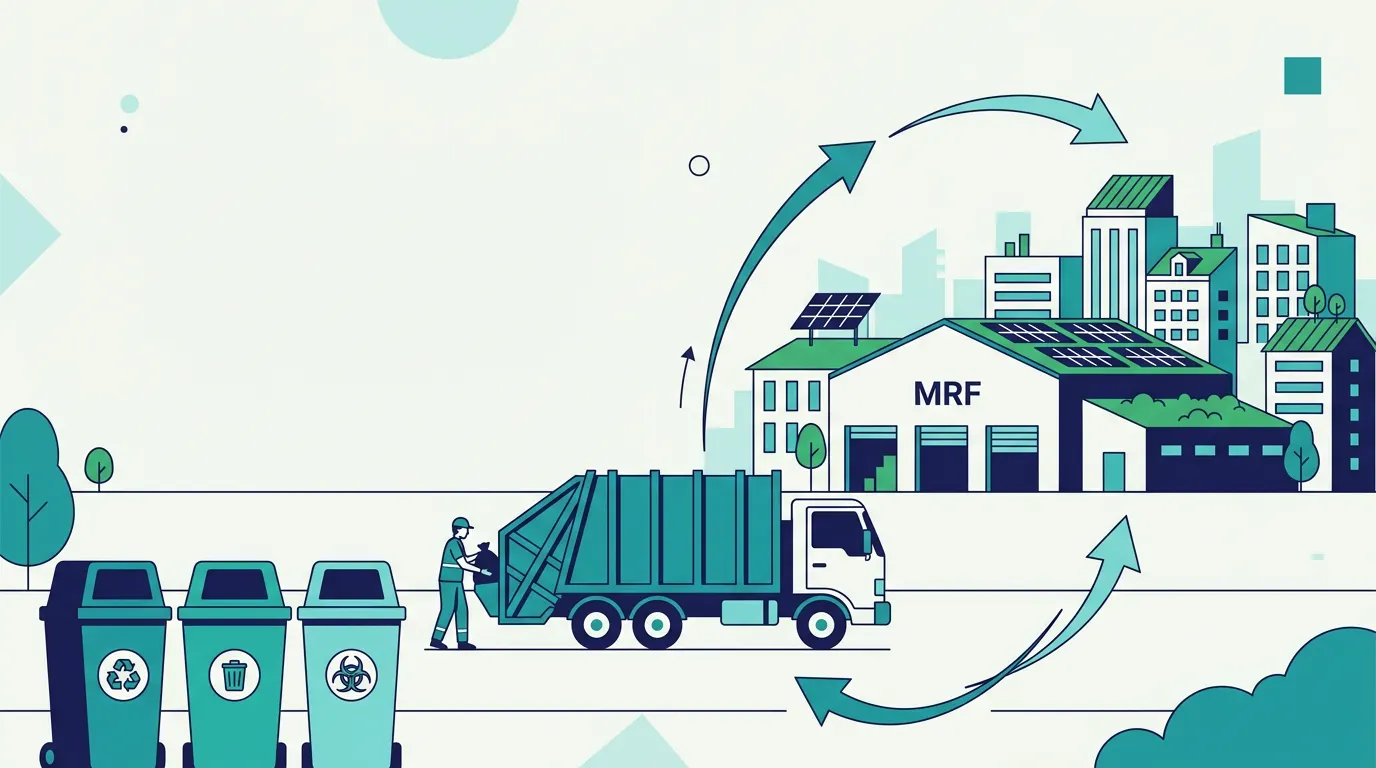
The third stream, handled safely
The SWM Rules 2016 require domestic hazardous and sanitary waste to be kept separate — mixed in, they contaminate recyclables and endanger workers.
Mixed into recyclables, these streams contaminate the dry stream and endanger the workers who sort it — separation at home is a legal duty, not an option.
A clear, practical approach
Sources and volumes of domestic-hazardous and sanitary waste.
Wrapping, separate collection days and disposal routes.
Citizen guidance and worker safety protocols.
Related work we've delivered
Real projects behind our collection & operations — named partners, measured outcomes.
Transforming Solid Waste Management at Dwarka, Gujarat
Dwarka, Gujarat
Creating a Garbage-Free Slum in Wadarwadi
Wadarwadi, Shivajinagar ward, Pune
Building a Net-Zero, Climate-Resilient Mandede Village
Mandede Village, Taluka Mulashi, Pune district
Related services
Domestic Hazardous & Sanitary Waste Protocols — quick answers
The essentials, then talk to us for your specifics.
Talk to our team →What is domestic hazardous & sanitary waste protocols?
Who needs Domestic Hazardous & Sanitary Waste Protocols?
How does Social Lab deliver Domestic Hazardous & Sanitary Waste Protocols?
Explore the rest of our waste-circularity work — by service, by who you are, or by where you operate.
Latest thinking on this
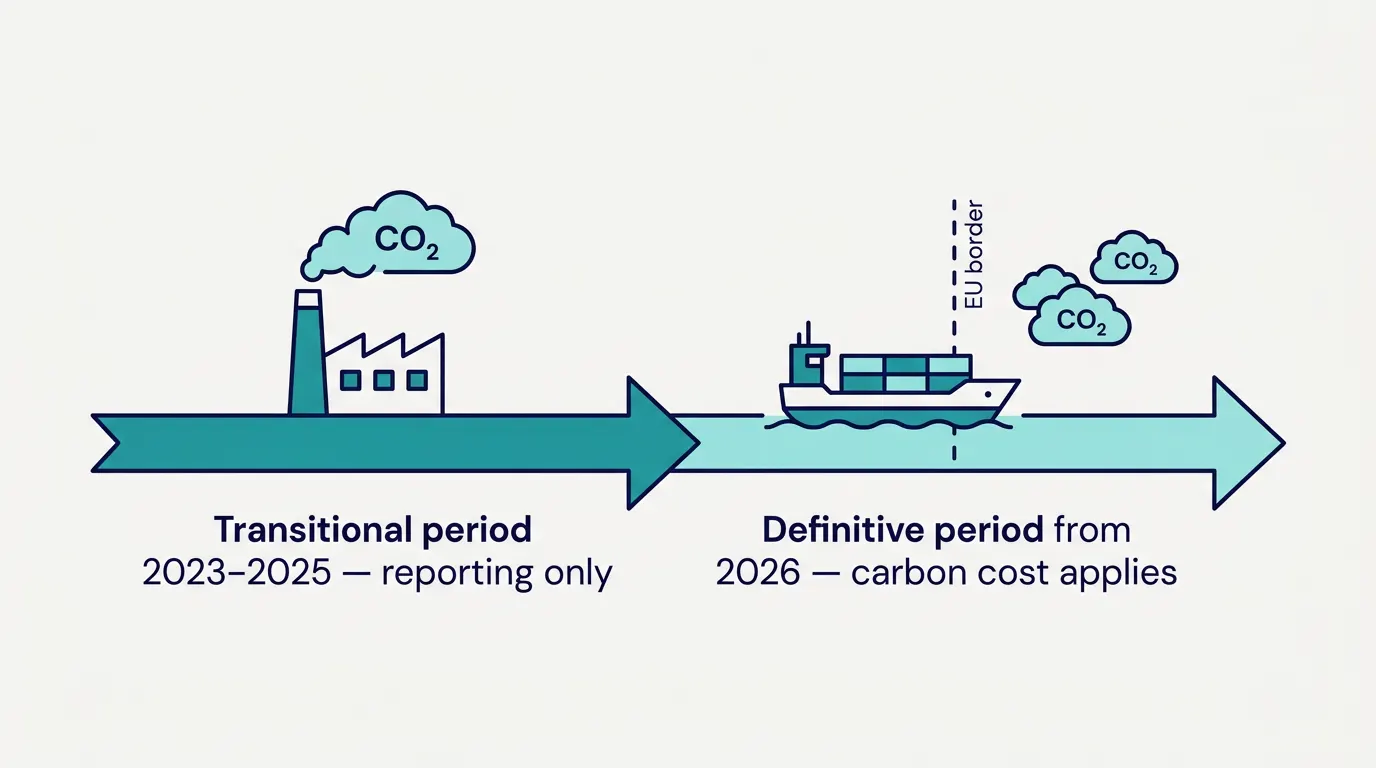 Waste CircularityIndia's Circularity Leap: Key Learnings for Waste Management in 2026As India accelerates its transition to a circular economy, businesses and municipalities must adapt. Discover critical waste circularity learnings for 2026.
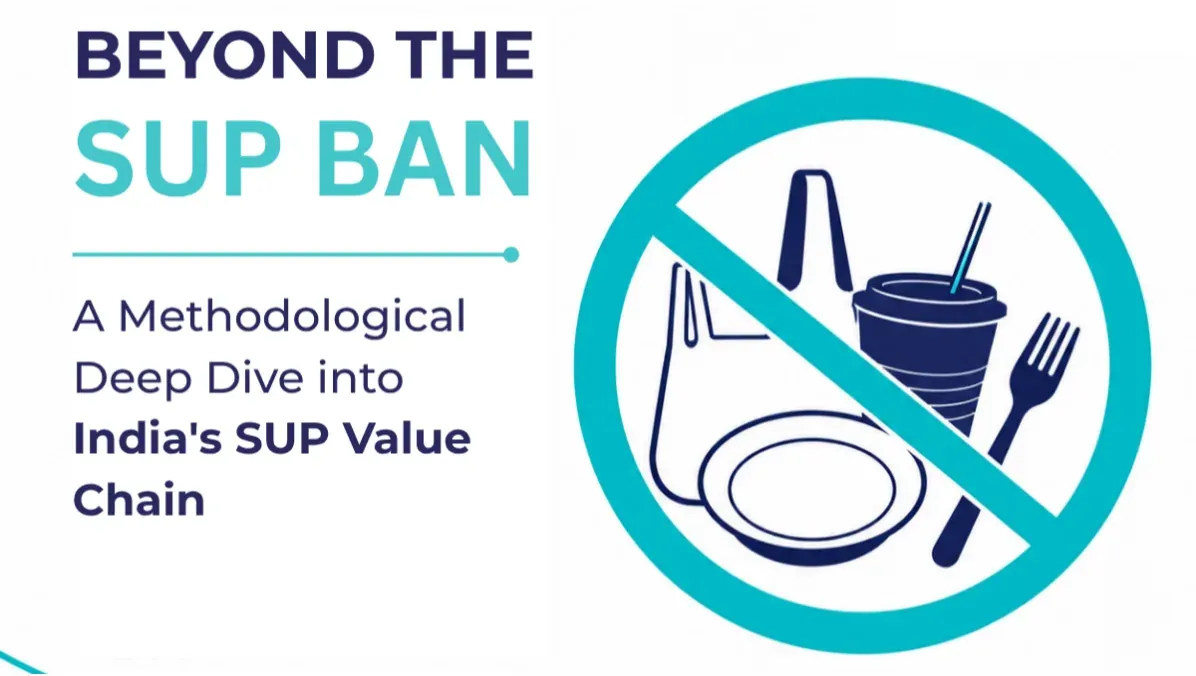 Waste CircularityMaterial Sovereignty in India: Building Resilient Circular Supply ChainsIndia can strengthen material security by connecting smarter design, EPR, urban recovery, recycling quality and demand for verified secondary materials.
 Waste CircularityBuilding a Circular City: A Solid-Waste Roadmap for ULBsA practical, phase-by-phase solid-waste roadmap for Indian ULBs to move from disposal to circularity, aligned with SWM Rules 2016 and SBM-U 2.0, covering the full value chain from segregation to scientific disposal.
Need domestic hazardous & sanitary waste protocols?
Tell us where you are and we'll scope it — baseline to measured impact.
Or call +91 95794 42142 · [email protected]