
Guides for getting compliant & circular
Practical, plain-English articles on EPR, CBAM, ESG/BRSR and waste circularity — the rules, the deadlines and the playbooks behind them.
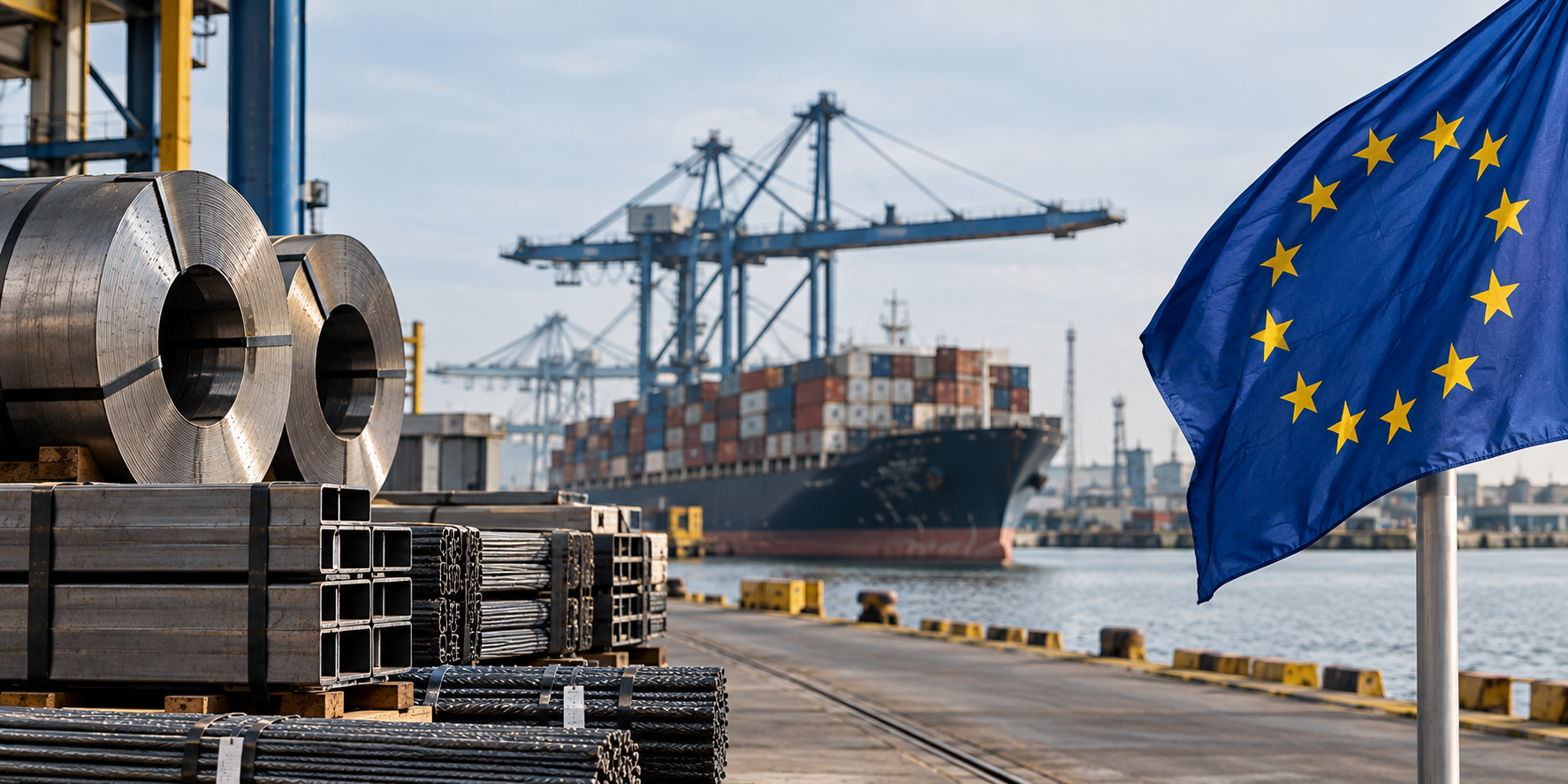
Exporting to the EU? Your CBAM Costs Are Adding Up
Understand how CBAM costs impact Indian exporters to the EU and explore strategies to mitigate them.
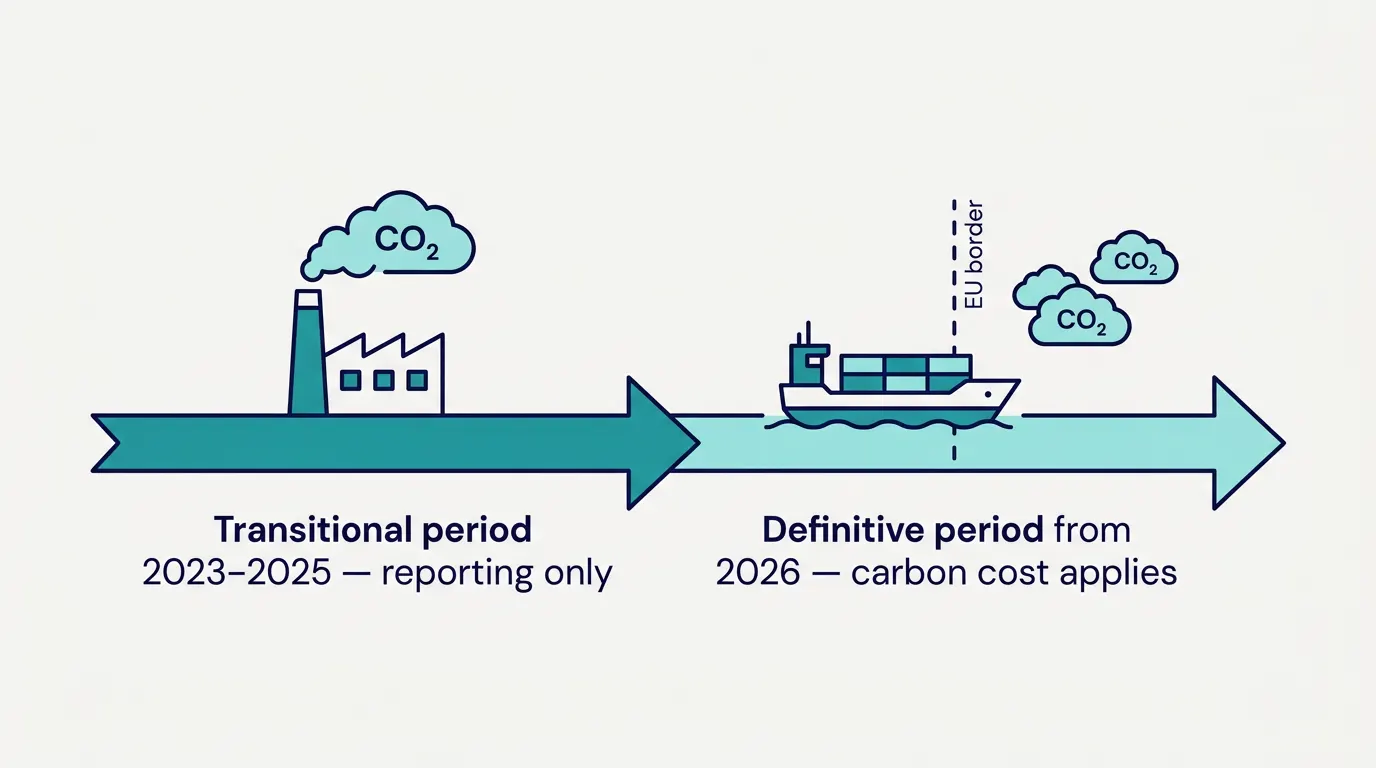
Navigating the CBAM Definitive Regime: Key Updates for 2026
Explore the latest updates on the CBAM definitive regime for 2026, crucial for importers and exporters.
Solid Waste Management Rules 2026: India's Shift to Circular Economy
India's Solid Waste Management Rules 2026 establish a circular economy framework from April 1, 2026, overhauling waste governance across ULBs and industries.
India's Circular Economy Future: Insights from WCEF 2026 and What It Means for EPR
The World Circular Economy Forum (WCEF) 2026 is a pivotal event. This article unpacks its implications for India's circular economy journey, especially concerning EPR.
Building India's Circular Economy: Why Capacity Building is Key for 2026
India's ambitious circular economy targets for 2026 demand significant capacity building across sectors. Learn how to prepare for upcoming regulations and opportunities.
Waste Circularity India's Circularity Leap: Key Learnings for Waste Management in 2026
As India accelerates its transition to a circular economy, businesses and municipalities must adapt. Discover critical waste circularity learnings for 2026.
 Waste Circularity
 Material Sovereignty in India: Building Resilient Circular Supply Chains
India can strengthen material security by connecting smarter design, EPR, urban recovery, recycling quality and demand for verified secondary materials.
EPR Plastic Waste Management Rules 2026: Key Updates and What Changed from the Previous Framework
The latest PWM 2026 updates bring higher EPR targets, mandatory recycled content, and stricter compliance. Here's what changed and what your business must do.
EPR EPR Rules 2026: New Streams, Deadlines & What Indian Businesses Must Do Now
Two new EPR streams enter force on 1 April 2026. Here is a practical guide to what changes, who is covered, and how to prepare.
EPR EPR Rules 2026: Non-Ferrous Metals & C&D Waste — What Indian Businesses Must Know
India's EPR framework expands in April 2026 with two new streams — non-ferrous metals and construction & demolition waste. Here's what regulated entities need to know.
 EPR
EPR Plastic Packaging EPR Registration in India: A Complete Guide for Producers, Importers & Brand Owners
A practical, in-depth guide to registering for Plastic Packaging EPR on the CPCB portal — who is a PIBO, the four plastic categories, documents needed, the step-by-step process, and how to stay compliant year after year.
 EPR
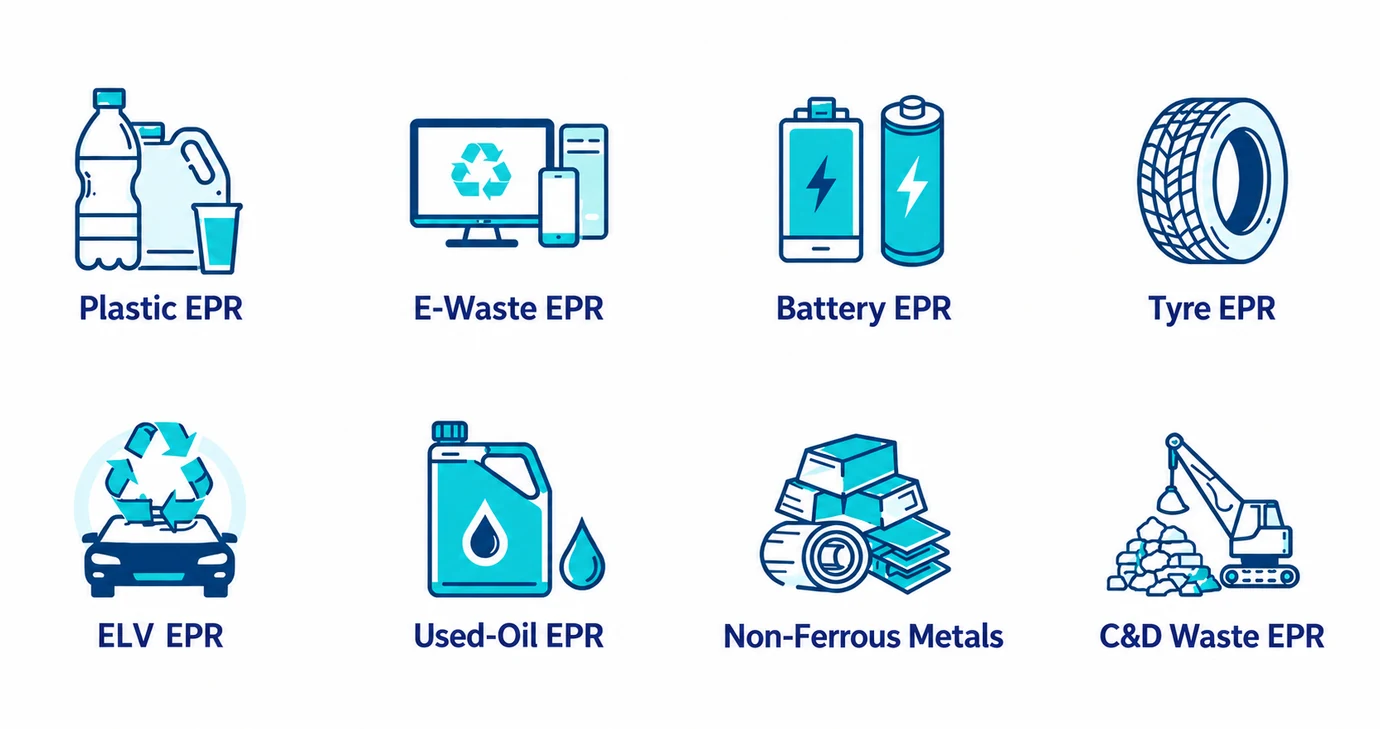
EPR Which EPR Rules Apply to Your Business? A Decision Guide to India’s Extended Producer Responsibility Regimes
Plastic, e-waste, batteries, tyres and used oil — a practical decision guide to figuring out exactly which of India’s EPR frameworks your company is obligated under, why one product can trigger several, and how to run a company-wide obligation audit.
 EPR
EPR EPR Certificates and Target Fulfilment Explained: How Producers Meet Their Recycling Obligations
How EPR certificates work in India — what they represent, how registered recyclers generate them, how obligated producers procure them, why they carry value, and how to reconcile them cleanly against annual targets without owning recycling infrastructure.
 EPR
EPR E-Waste EPR Compliance Under the E-Waste (Management) Rules, 2022: What Producers Need to Know
A practical, in-depth guide to E-Waste EPR under the E-Waste (Management) Rules, 2022 — who is a producer, what EEE is covered, how registration on the CPCB portal works, how targets are set from historical sales, and the compliance habits that keep you clean.
 EPR
EPR Battery Waste EPR in India: Obligations for EV, Portable and Industrial Battery Producers
The Battery Waste Management Rules, 2022 explained in depth — the four battery types covered, who counts as a producer, how registration works, the emphasis on recycled content and material recovery, and how EV, portable, automotive and industrial batteries are treated.
 EPR
EPR Tyre EPR in India: Compliance Obligations for Producers, Importers and Recyclers
Extended Producer Responsibility for waste tyres in India, explained in depth — who is obligated (including vehicle importers), how registration on the CPCB portal works, how targets are met through registered recyclers, and the records that make compliance simple.
EPR Common EPR Compliance Mistakes in India — and How Penalties and Enforcement Work
The most frequent EPR compliance mistakes Indian companies make — not registering, under-declaring, wrong categories, last-minute certificate procurement and poor records — plus how enforcement, environmental compensation and regulatory oversight actually work.
EPR EPR Annual Returns in India: How to File on the CPCB Portals Correctly
A practical, in-depth walkthrough of filing EPR annual returns on the CPCB portals — what data each return needs, how to reconcile obligations against certificates by category, the step-by-step filing process, and the pitfalls that cause errors and shortfalls.
 CBAM
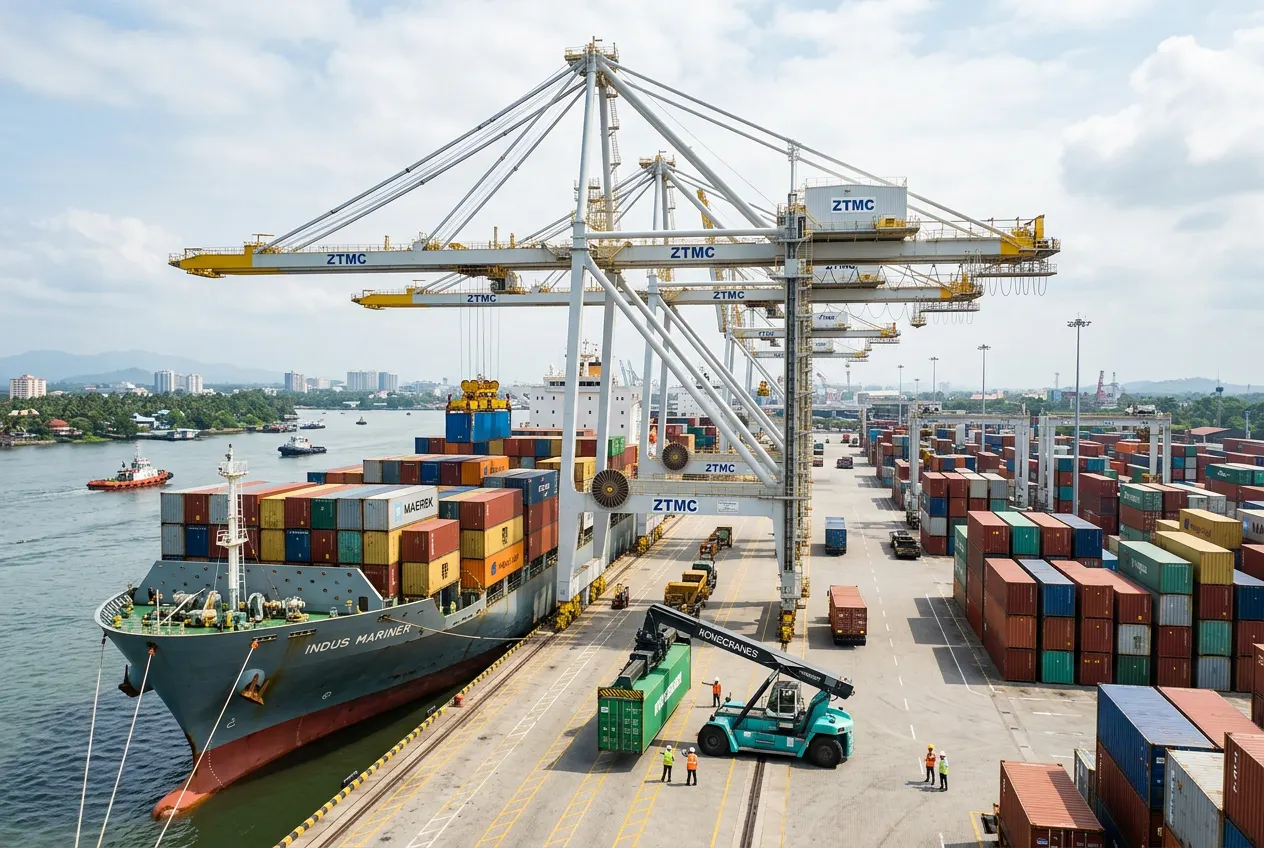
CBAM CBAM Explained for Indian Exporters: What It Is and Who It Affects
A comprehensive, plain-English guide to the EU Carbon Border Adjustment Mechanism for Indian exporters: what CBAM is, which goods it covers, how embedded emissions work, the reporting workflow, and what you must do before 2026.
 CBAM
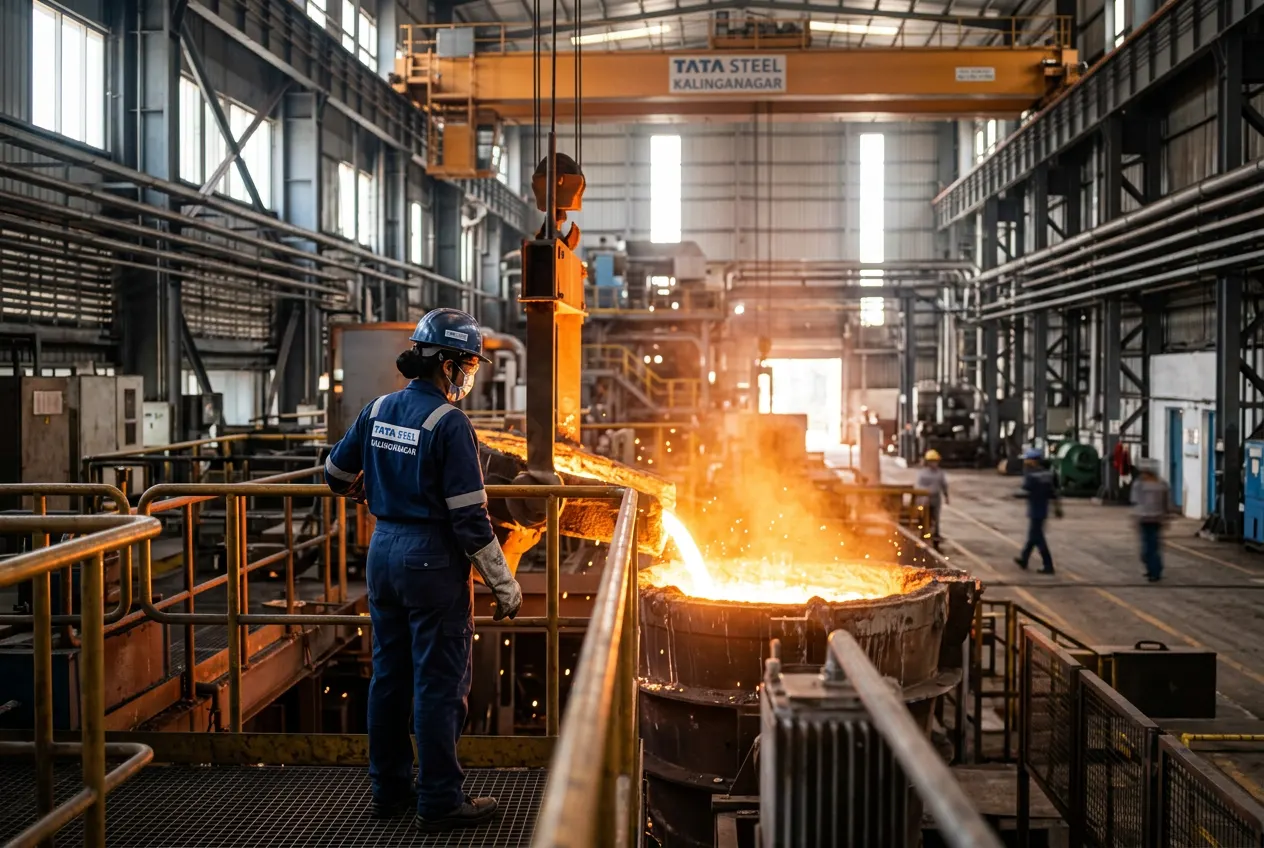
CBAM CBAM for Iron & Steel and Aluminium Exporters to the EU
An in-depth guide to how CBAM hits Indian iron, steel and aluminium exporters: covered CN codes, direct vs indirect emissions, precursors, the transitional-to-definitive shift, and what EU buyers now demand.
 CBAM
CBAM How to Calculate Embedded Emissions for a CBAM Report
A detailed, step-by-step method for calculating embedded emissions for a CBAM report: system boundaries, direct and indirect emissions, precursors, allocation, default values versus actual data, and verification.
CBAM CBAM Transitional vs Definitive Period: What Changes from 2026
CBAM shifts from reporting-only to paying from 2026. A detailed comparison of the transitional and definitive periods — obligations, certificates, data quality, verification — and what Indian exporters must prepare for.
 CBAM
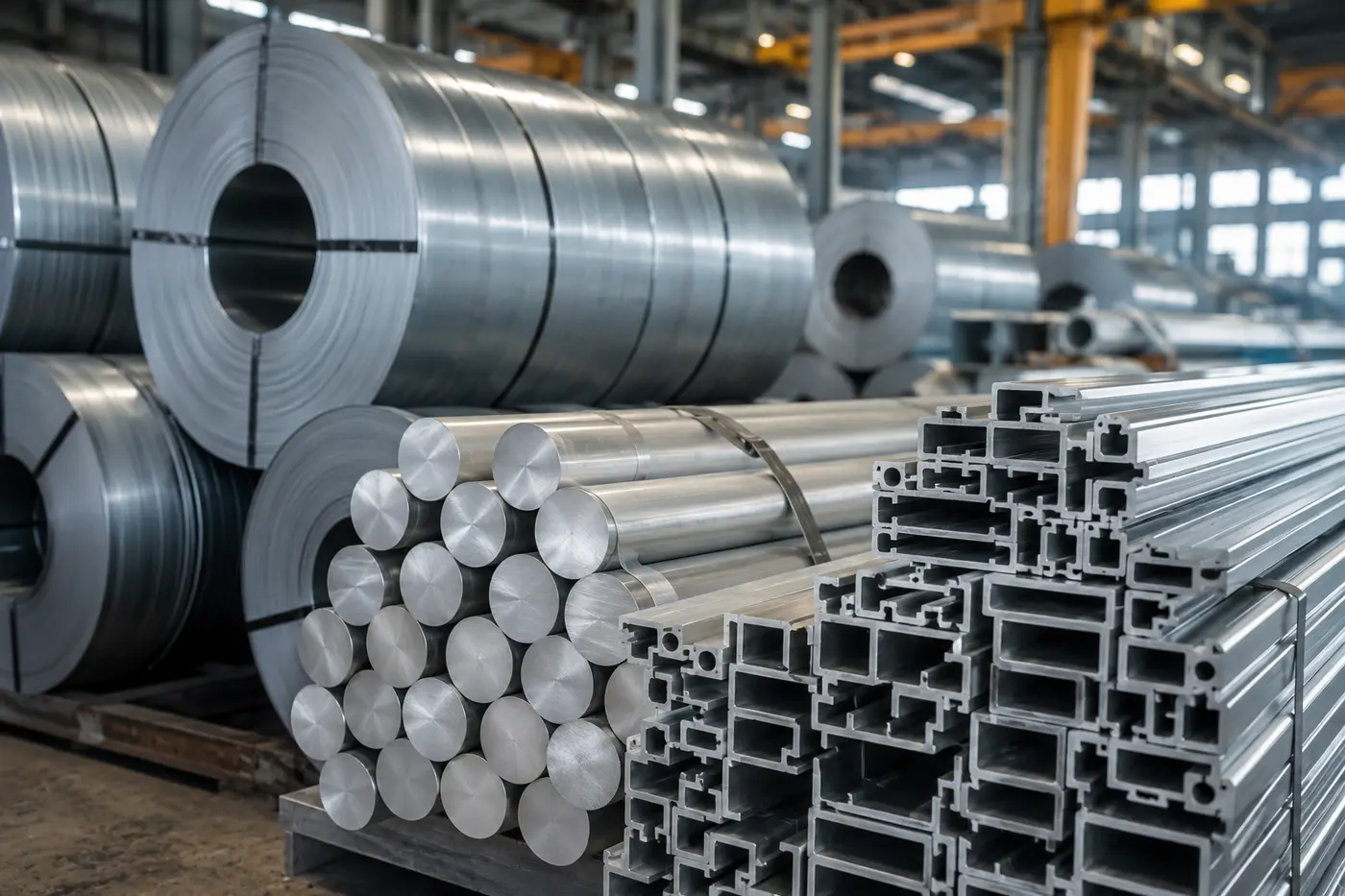
CBAM CN Codes & CBAM Scope: Is Your Product Covered?
CBAM scope is defined by CN codes, not sectors. A detailed guide to how the eight-digit code decides coverage, how to check each product, avoid classification disputes, and keep scope under review.
 CBAM
CBAM Preparing Your First CBAM Report: A Step-by-Step Guide
A detailed, practical step-by-step guide for Indian exporters preparing their first CBAM data submission: scope, installations, data collection, calculation, EU templates, buyer coordination, verification and common mistakes.
CBAM Reducing Your CBAM Carbon Cost: Practical Levers for Exporters
A detailed playbook of practical ways Indian exporters can lower their CBAM carbon cost: accurate data, cleaner energy, lower-carbon precursors, process efficiency, carbon-price evidence and structural decarbonisation.
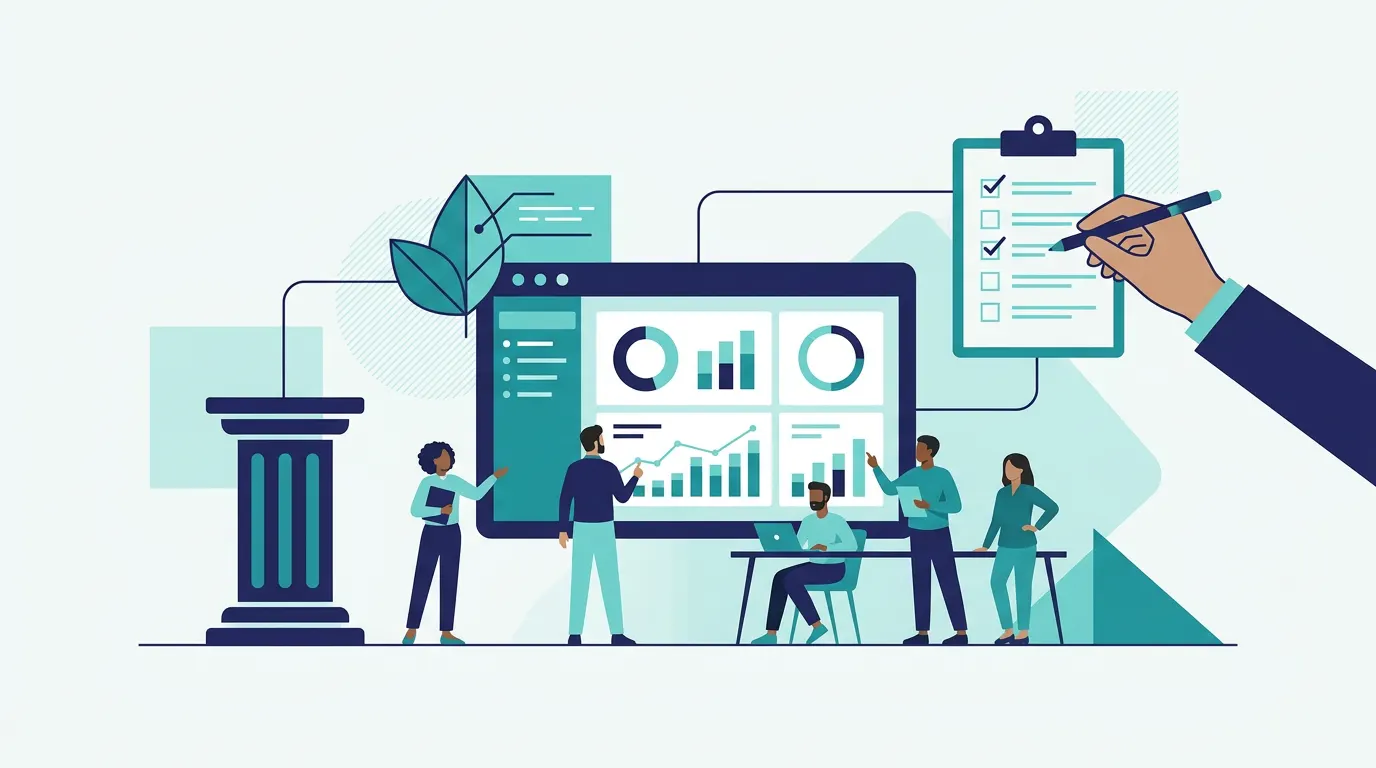 ESG & BRSR
 BRSR Reporting Explained: A Practical Guide for Listed Companies
What BRSR is, why SEBI mandated it, how the three sections and nine NGRBC principles work, and what listed companies must disclose to stay compliant and credible.
ESG & BRSR Is BRSR Applicable to Your Company? Understanding Scope and BRSR Core
Find out whether BRSR applies to your business, what BRSR Core adds, how assurance works, and how value-chain disclosure is widening the reporting net to suppliers.
 ESG & BRSR
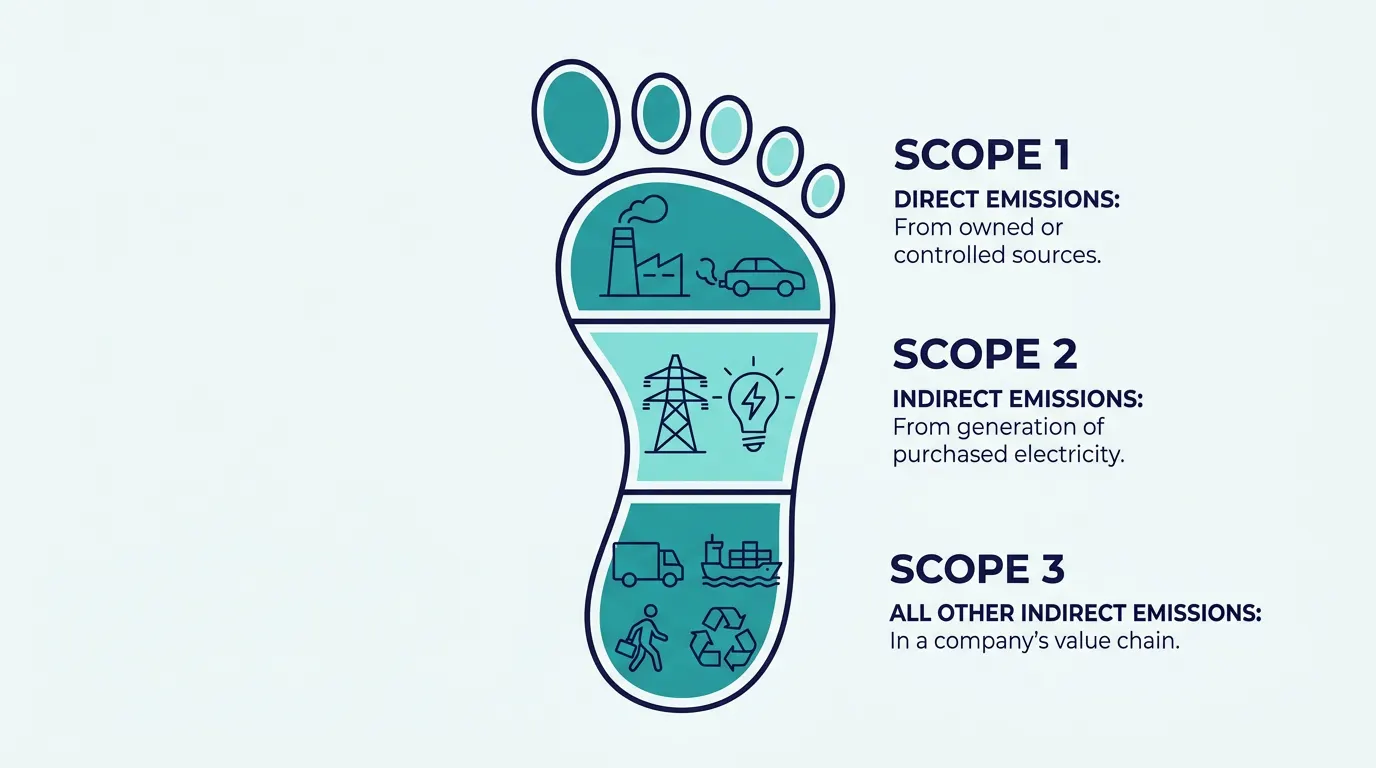
 Building a Corporate Carbon Footprint: Scope 1, 2 and 3 Emissions Explained
A practical guide to measuring your organisational carbon footprint using the GHG Protocol, from direct emissions to the tricky Scope 3 value chain and its 15 categories.
 ESG & BRSR
 The Path to Net-Zero: A Roadmap to Carbon Neutrality for Indian Companies
How Indian companies can move from a carbon baseline to credible net-zero: target-setting, reduction levers, renewable energy, the right role for offsets, and avoiding greenwashing.
 ESG & BRSR
 ESG for SMEs and Suppliers: Meeting Value-Chain Sustainability Demands
Large customers now demand ESG data from suppliers. A practical playbook for SMEs to respond to questionnaires, build a footprint, keep data auditable and win on sustainability.
Sustainability Sustainability Certifications Explained: GRS, RCS, ISCC and EN 15343
A clear guide to the recycled-content and sustainability certifications buyers ask for - what GRS, RCS, ISCC and EN 15343 actually verify, how chain of custody works, and when to use each.
ESG & BRSR BRSR vs GRI vs GHG Protocol: How the Frameworks Fit Together
BRSR, GRI and the GHG Protocol are not competitors. Learn how each framework does a different job, how materiality and measurement connect, and how to use them together in one coherent ESG programme.
ESG & BRSR Getting Audit-Ready: Assurance for BRSR and ESG Disclosures
Assurance is now central to credible ESG reporting. Learn what reasonable versus limited assurance means, what assurers look for, and how to make your BRSR Core data audit-ready.
 Waste Circularity
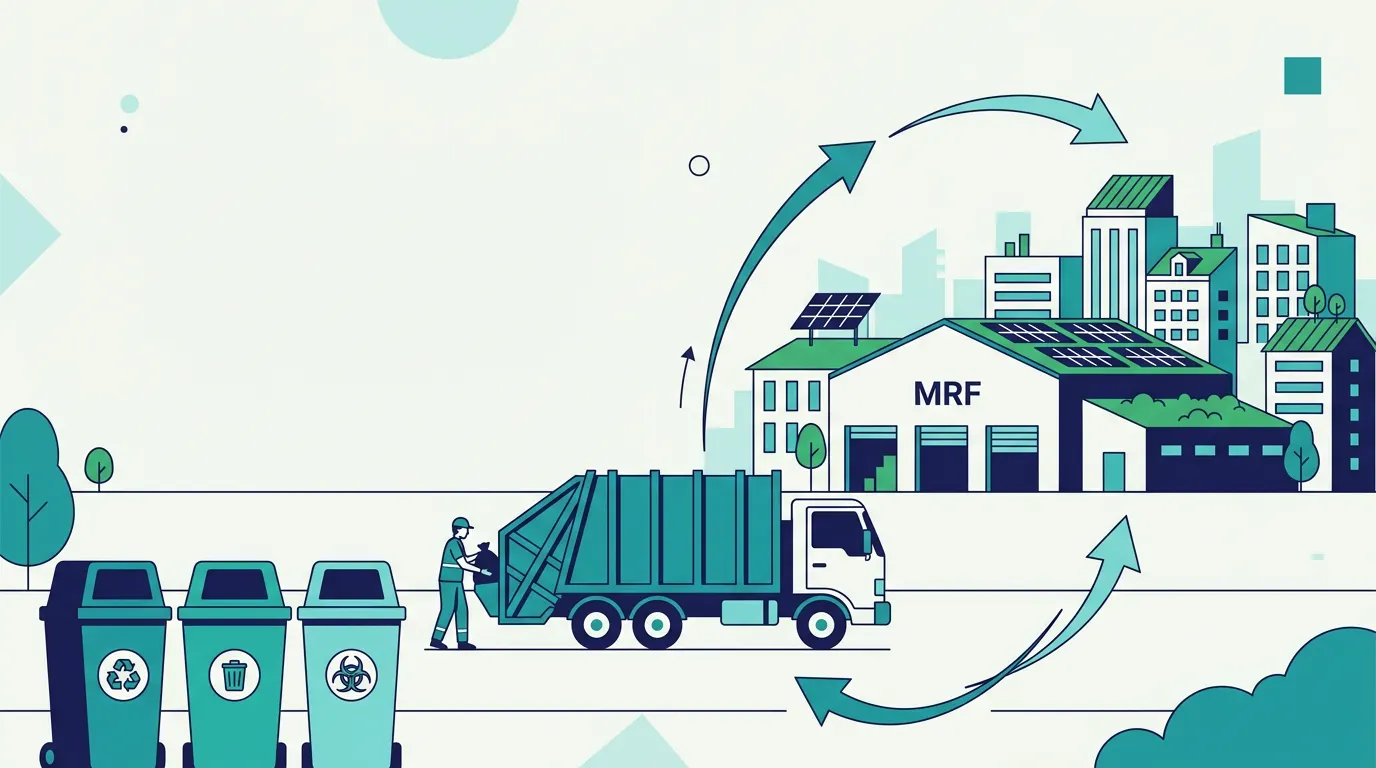
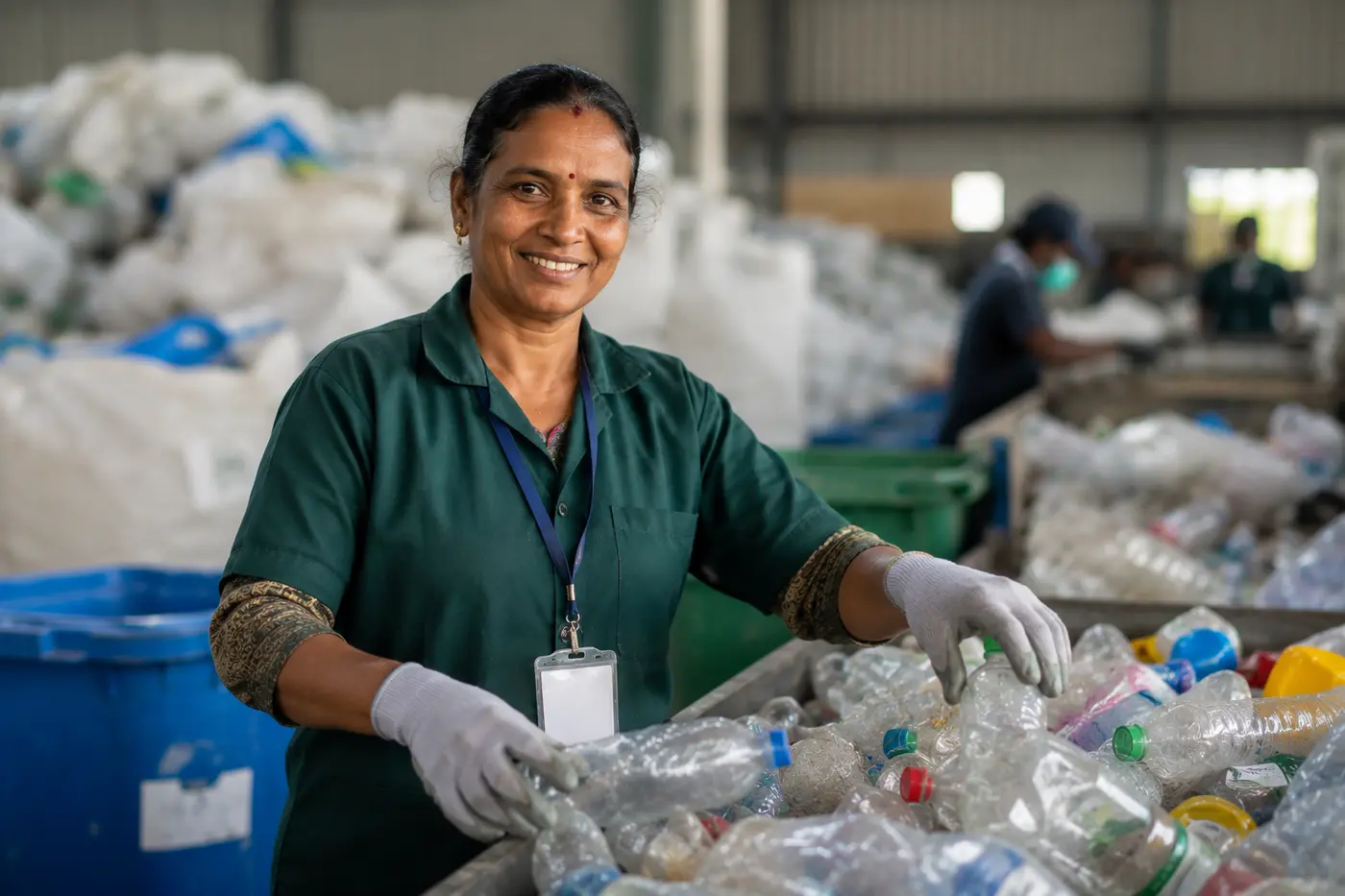
 Building a Circular City: A Solid-Waste Roadmap for ULBs
A practical, phase-by-phase solid-waste roadmap for Indian ULBs to move from disposal to circularity, aligned with SWM Rules 2016 and SBM-U 2.0, covering the full value chain from segregation to scientific disposal.
 Waste Circularity
 Wastepicker Integration and Formalisation: Why It Matters and How to Do It
Informal wastepickers already power urban recycling in India. Here is why ULBs and CSR programmes should formalise them, and a practical, step-by-step model to do it well and durably.
 Waste Circularity
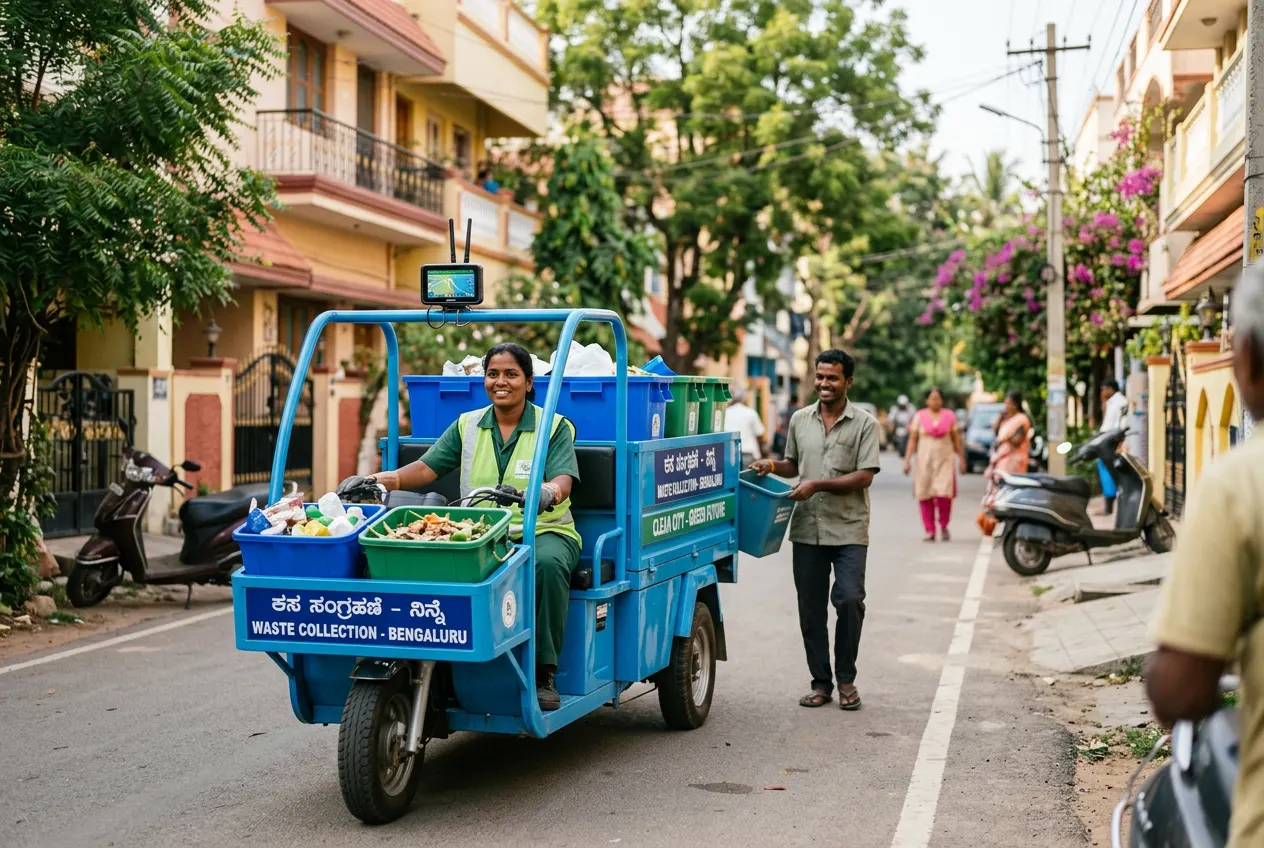
 Achieving 100% Door-to-Door Collection with GPS Tracking
How ULBs can reach and sustain 100% door-to-door waste collection using GPS vehicle tracking, route monitoring, and simple accountability systems that hold coverage long after launch.
 Waste Circularity
 Turning Wet Waste into City Compost: FCO Norms, Branding, and Market Linkage
A practical guide for ULBs on converting wet waste into FCO-compliant city compost, choosing the right technology, building a brand, and creating durable market linkage for sales.
 Waste Circularity
 High-Impact CSR Waste-Management Projects: What Good Looks Like
A guide for CSR teams on designing waste-management projects that deliver real, lasting impact rather than one-off cleanups, with practical selection criteria and an exit-first design approach.
 Waste Circularity
 Measuring Impact: Monitoring and Evaluation for Waste Programmes
A practical M&E framework for urban waste programmes, from baselines and indicators to data collection and evaluation, for ULBs, CSR teams, and NGOs who need credible, defensible evidence.
 Waste Circularity
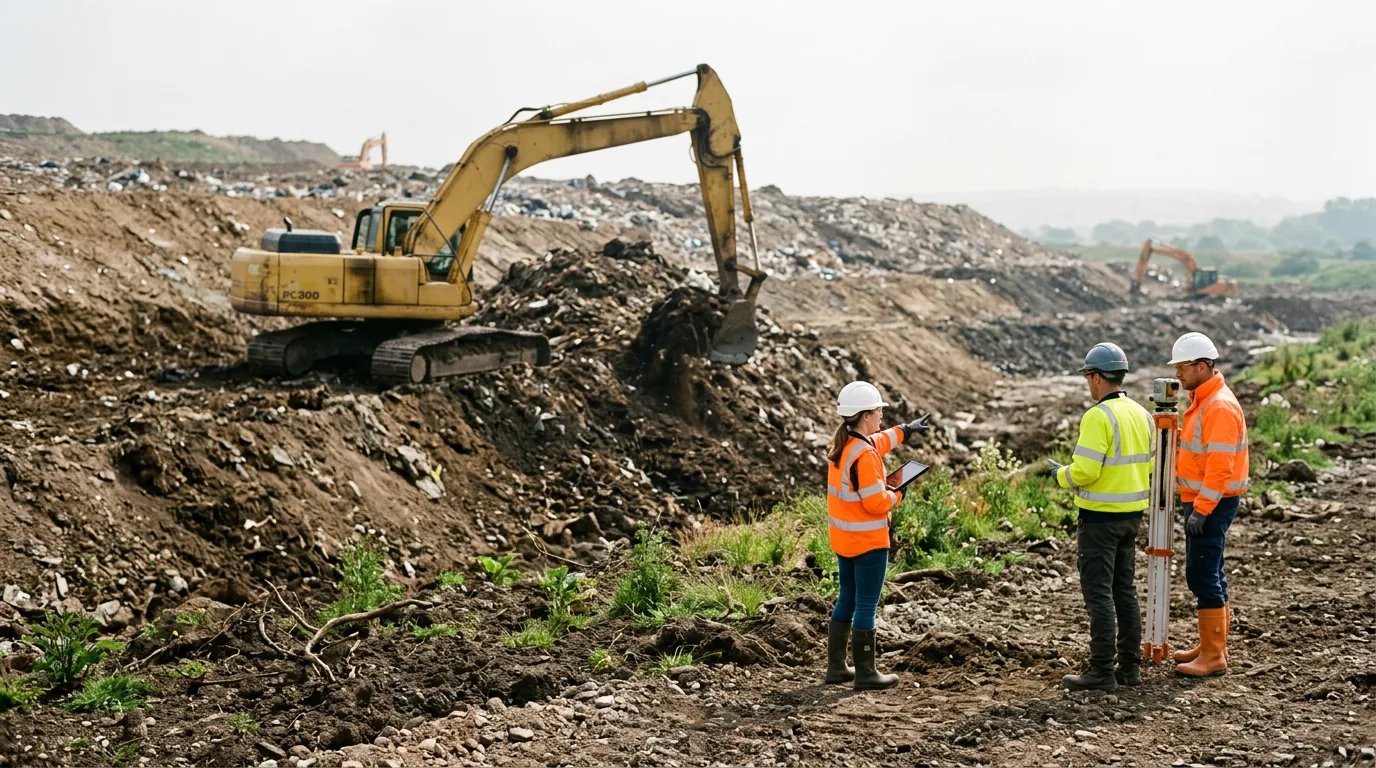
 From Dumpsite to Circular Economy: A Municipality’s Playbook
A step-by-step playbook for municipalities to reclaim legacy dumpsites through bio-mining and build a circular waste economy that keeps them empty for good, aligned with SWM Rules 2016 and SBM-U.
CBAM CBAM Carbon Price Published: Implications for Indian Exporters
The taxation phase of the Carbon Border Adjustment Mechanism (CBAM) commenced on 1 January 2026. As part of this, the first quarterly carbon price was published by the [European Commission](https://taxation-customs.ec.europa.eu/news/first-cbam-certificate-price-now-available-2026-04-07_en) on 7 Apri
ESG Recycled Plastics in Automotive Industry: A Step Toward the Future
Plastics are widely used in modern vehicles — across dashboards, door panels, bumpers, electrical housings, and underbody components. Their role in reducing weight and improving efficiency is well recognised. However, the use of recycled plastics in the automotive sector remains limited.
ESG Navigating GRS & RCS Certification: Practical Insights from Engagements with Recyclers
Global Recycled Standard (GRS) and Recycled Claim Standard (RCS) certifications are increasingly important for accessing export markets that require verified recycled content. While both aim to validate recycled material claims, they differ in scope: RCS focuses primarily on supply chain traceabilit
 ESG
ESG ESG Transition in MSMEs in India: From Compliance to Competitive Advantage
Micro, Small, and Medium Enterprises (MSMEs) form the backbone of the Indian economy, contributing significantly to employment generation, industrial output, and regional development. These enterprises often operate with limited capital, informal management structures, and a strong dependence on loc
CBAM CBAM Taxation Begins: Are Indian Exporters Prepared?
Effective from 1 January 2026, the European Union has officially entered the taxation phase of the Carbon Border Adjustment Mechanism (CBAM). EU importers are now required to pay carbon taxes on the embedded greenhouse gas emissions of imported goods.
ESG Understanding ESG and Why It Matters
Environmental (E) regulations such as BRSR, EPR, and CBAM are becoming more stringent to tackle issues such as climate change and pollution. At the same time, Social (S) and Governance (G) aspects including employee welfare, ethics, and transparency, are gaining more importance among investors and c
CBAM CBAM–CCTS Integration: What It Means for Indian Exporters
The European Commission’s “New Strategic EU–India Agenda” (17 Sept 2025) highlights the need to deepen climate cooperation and promote India’s domestic carbon market. As part of this effort, the EU proposes to integrate its Carbon Border Adjustment Mechanism (CBAM) with India’s Carbon Credit Trading
CBAM CBAM Simplification Measures: What They Mean for Indian Exporters
The Carbon Border Adjustment Mechanism (CBAM) is an EU regulation requiring importers to report the embedded carbon emissions in their imports. Its goal is to reduce carbon leakage and support the EU’s climate targets.
ESG Decarbonizing Steel: What India’s Green Rating Means for You?
The steel industry plays a crucial role in driving India’s economic growth. At the same time, it is also one of the most carbon-intensive industries, contributing approximately 7–9% of global CO₂ emissions. Given its high carbon footprint, transitioning the steel industry to carbon neutrality is imp
CBAM CBAM: Our Reporting Approach
Carbon Border Adjustment Mechanism (CBAM) is an EU policy to monitor and reduce the carbon emissions associated with the products that are exported to the European Union. The policy aims to contribute to achieving the climate goals set by the EU under the Paris Agreement.
Field notes with numbers
Not sure which EPR applies to you?
Check your applicability free in 60 seconds, or talk to our compliance team.
Or call +91 95942 59275 · [email protected]